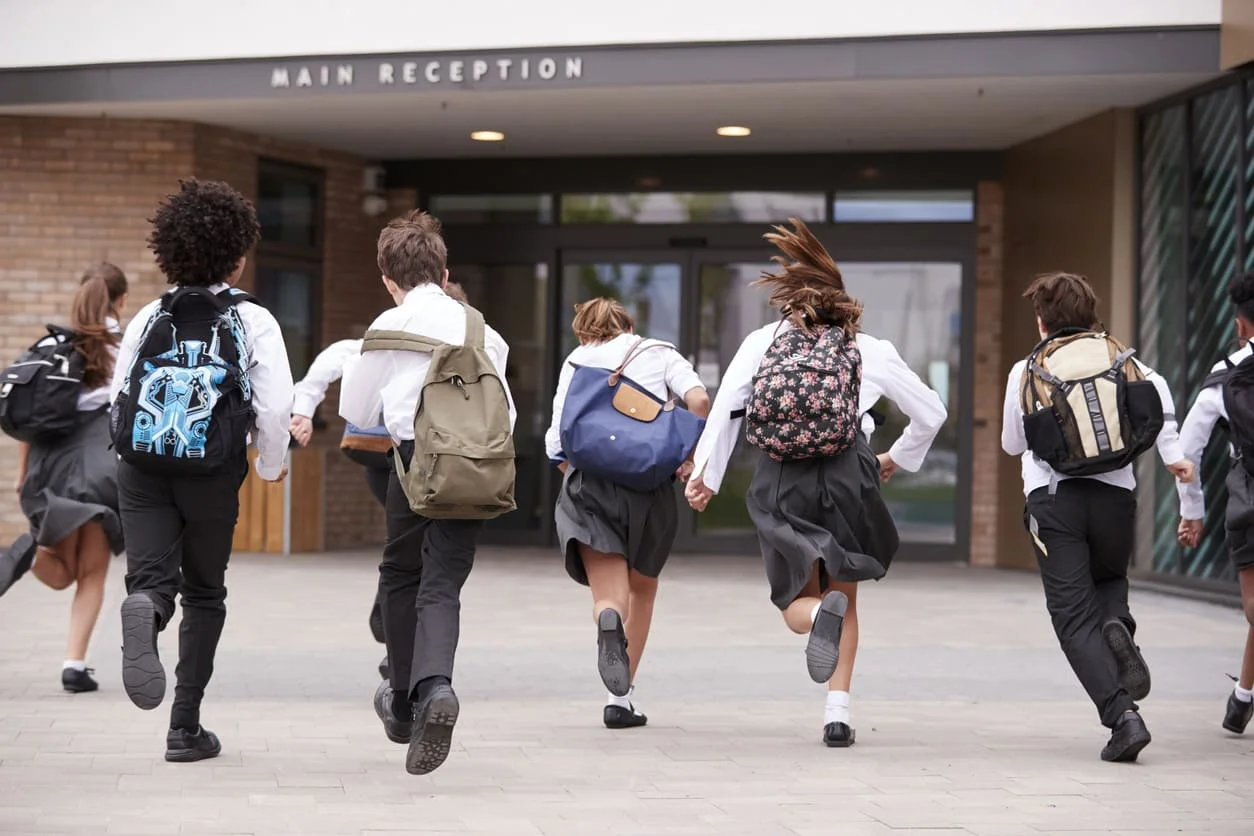
Procurement officers and school administrators face a unique challenge when sourcing supplies at scale: the decisions they make affect thousands of students every day. Among those decisions, selecting the right student backpacks is often underestimated. A poorly chosen backpack can lead to musculoskeletal strain, safety issues, or rapid product failure — all of which reflect poorly on the institution and ultimately increase costs. Done right, a bulk backpack purchase supports student health, reinforces school identity, and delivers long-term value.
Why the Right Backpack Matters for Students
Students carry backpacks for six to eight hours a day, five days a week. The cumulative physical impact of poor design or improper fit is significant. Padded shoulder straps, adjustable chest clips, and lumbar support panels are essential for reducing back and shoulder strain — particularly in younger students. A well-designed backpack distributes load evenly across the back rather than pulling from the shoulders alone, while multiple compartments help keep heavier items positioned closest to the spine.
Safety is equally important. Reflective strips improve student visibility during early morning or after-school commutes. Non-toxic dyes and materials are non-negotiable, especially for younger children. Always verify compliance with relevant standards such as REACH regulations in Europe or CPSIA requirements in the United States. Finally, durability directly affects total cost of ownership — a backpack that fails within three months is not a bargain at any price.
Key Considerations for Bulk School Backpack Purchases
Buying in volume introduces distinct considerations that individual retail purchases do not require. Here are the five most important factors to evaluate.
- Size and Age Appropriateness. A backpack designed for a secondary school student is not suitable for a six-year-old. Institutions serving multiple age groups should define clear size specifications for each cohort — primary, middle, and secondary — consulting ergonomic guidelines to ensure dimensions and strap adjustability align with students’ physical proportions.
- Durability and Material Quality. Specify tear-resistant fabrics — 600D or 900D polyester is a common benchmark for school use. Water resistance is equally important, as is hardware quality: YKK zippers and reinforced stitching at stress points are worth requiring explicitly in your procurement specifications.
- Cost Efficiency and Budget Management. Request itemized quotes and compare cost-per-unit across multiple suppliers. Be wary of artificially low quotes that sacrifice material quality, as early product failure and replacement costs will outweigh any upfront savings. Negotiating staggered delivery schedules can also help manage storage constraints and cash flow.
- Customization Options. Many schools incorporate branded backpacks into uniform policy or student welcome packages. Establish customization requirements — logos, colors, pocket configurations — early in the process, and always request physical samples before approving a full production run.
- Safety and Compliance. Require documentary evidence of compliance with relevant certification standards before finalizing any purchase. Suppliers who cannot provide test reports and material safety data sheets promptly should be disqualified from consideration.
How to Evaluate a Reliable Supplier
The quality of your procurement outcome depends as much on your supplier as on your specifications. Assess production capacity against your order volume — suppliers who lack scale may subcontract work without disclosure, introducing quality inconsistencies. A credible supplier will have documented quality assurance processes, including in-line inspection, pre-shipment testing, and ideally ISO 9001 certification.
For custom orders, evaluate the supplier’s design capability, request a pre-production sample, and establish a clear approval workflow before committing to full production. Delivery reliability is critical — procurement schedules in education are inflexible, and the school year starts regardless of whether backpacks have arrived. Always request references from other educational institutions or large-volume buyers before making a final decision.
For institutions that want a deeper understanding of how to choose the right school backpacks, detailed resources such as Synberry’s professional buying guide offer practical insights into factors like material durability, ergonomic design, and age-appropriate sizing — all of which translate well to institutional procurement standards.
Tips for Long-Term Procurement Success
A single successful purchase is a start — optimizing procurement over time requires a more deliberate approach. Run competitive supplier evaluations annually, even when satisfied with your current partner. Market conditions shift, and a structured RFQ process keeps your procurement competitive.
Consider sustainable materials. Recycled PET fabrics, water-based dyes, and certifications such as OEKO-TEX Standard 100 are worth evaluating for their environmental benefit and the reputational value they offer forward-thinking institutions. Negotiate clear warranty provisions covering manufacturing defects, and define the claims process upfront. Suppliers who resist any warranty coverage are signaling a lack of confidence in their own product.
Finally, review specifications regularly. Student needs evolve — tablet integration has changed storage requirements significantly over the past decade. An annual review ensures your procurement criteria stay aligned with how students actually use their bags.
Conclusion
Selecting student backpacks may not be the most prominent aspect of institutional procurement, but it directly affects student health, daily comfort, and institutional reputation. The decisions that matter most are made in the specification stage and the supplier evaluation process — not at the point of purchase. By applying rigorous criteria around ergonomics, material quality, safety compliance, and supplier reliability, educational institutions can ensure their students are equipped with products that genuinely support their learning experience. Institutions that treat backpack procurement as a meaningful investment in their students, rather than a routine administrative task, consistently achieve the best long-term outcomes.