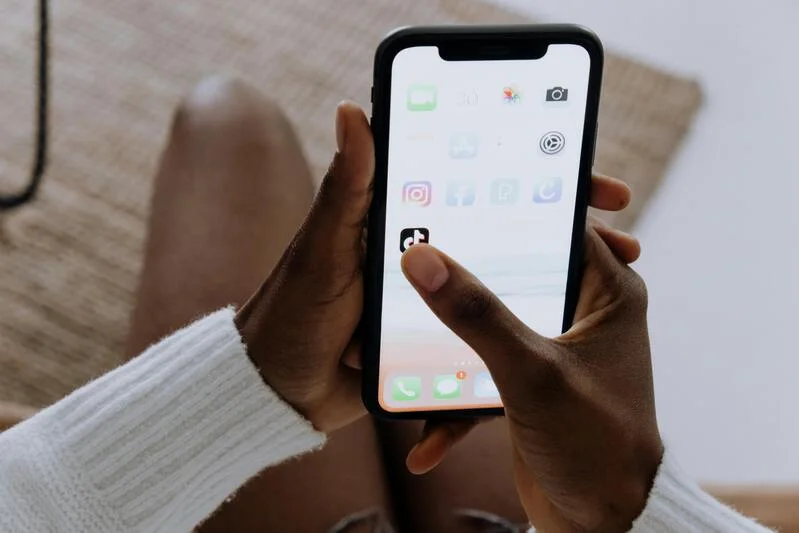
TikTok is just a whirlwind. Quick videos. Trends that become famous and then vanish overnight. People having fun in their homes at odd hours of the night. And yeah, it’s fun. But in real-world projects, when you’re actually sitting down with creators or solo founders who are trying to turn all that attention into actual money, it’s a whole different ball game. It’s loud. It’s fast. Slightly messy. And if you pay attention, it starts to behave less like a social app and more like a weird, unpredictable business engine.
From experience, the stuff that seems accidental often matters the most. Clients usually overlook it. A lot of people get caught up in trying to make everything perfect or posting on a strict schedule. But to be honest, sometimes a simple video that you took forgranted can do more wonders than the ones you spent hours making. And it’s in these moments that the growth of TikTok begins to influence business decisions, even before you know it.
When Growth Starts Affecting Real Business Decisions
Growth strategies on TikTok—real ones, not the neat bullet-point versions—tend to affect businesses in ways that are hard to predict at first. One week, a creator is posting product demos to a few thousand followers, the next week a throwaway clip goes semi-viral, and suddenly customer support is drowning in DMs. Inventory planning gets weird. Website server strain. Email lists spike. And suddenly the founder is sitting there, half-excited, half-uneasy, trying to decide whether this spike is pure luck or the first sign of a much larger shift. Because what often gets ignored is that TikTok growth isn’t only about being seen more.
Because here’s the part people miss: visibility is just the start. Growth changes leverage. When a creator’s numbers jump, brand conversations shift. Agencies stop saying “maybe later.” Partnerships come with better terms. Media outlets respond faster. Even hiring gets easier because people want to work with something that feels alive online. All that from short videos filmed on a phone while standing in line for coffee.
The Shift From Personality to Operator
But there’s a quieter side to it, too. Sustained growth forces creators to become actual operators. Not just personalities. They start tracking which videos convert and which only rack up views. They think about funnels, no matter how much they hate this word. They test posting schedules, storytelling angles, and, yes, even the psychology of getting TikTok likes without sounding salesy or desperate. Only once. Any more than that and people smell it immediately.
In real projects, I’ve watched creators shift their entire business model because of what TikTok data revealed. Someone selling digital templates realizes coaching is what their audience actually responds to. A product brand finds that behind-the-scenes clips bring more purchases than glossy ads. A consultant who thought their niche was corporate teams suddenly attracts freelancers instead. TikTok doesn’t politely suggest these things. It throws them in your face with analytics screenshots and comment sections full of unsolicited feedback.
Comments as Accidental Market Research
And those comments matter more than most people think. Not the compliments. The questions. The confusion. The random “Does this work for service businesses?” from a stranger with no profile picture. Over time, that becomes market research you didn’t pay for. Messy, sure. Sometimes wrong. But often sharper than surveys.
So growth strategies in the creator economy start influencing product roadmaps, pricing structures, and even how founders talk about their own work. I’ve seen people rewrite their websites after realizing the way they speak on TikTok is what actually resonates. Long mission statements quietly replaced by blunt lines that sound like something you’d say to a friend at dinner.
The Unseen Weight of Growth
It’s messy. Nobody writes about the hard work behind the numbers. There’s this strange, insidious weight to growth on TikTok. And then you’re posting when you’re tired. Repost content that did its work, even when you don’t like to.
When a creator really commits to TikTok, it’s when it stops being a side project for him or her, and they start feeling like a tool for business. This is when everything changes. And the truth is? That’s a lot closer to the truth than all the tidy case studies and bullet-point lists. It’s messy. It’s stressful. And it’s real.
Disclaimer: This article contains sponsored marketing content. It is intended for promotional purposes and should not be considered as an endorsement or recommendation by our website. Readers are encouraged to conduct their own research and exercise their own judgment before making any decisions based on the information provided in this article.