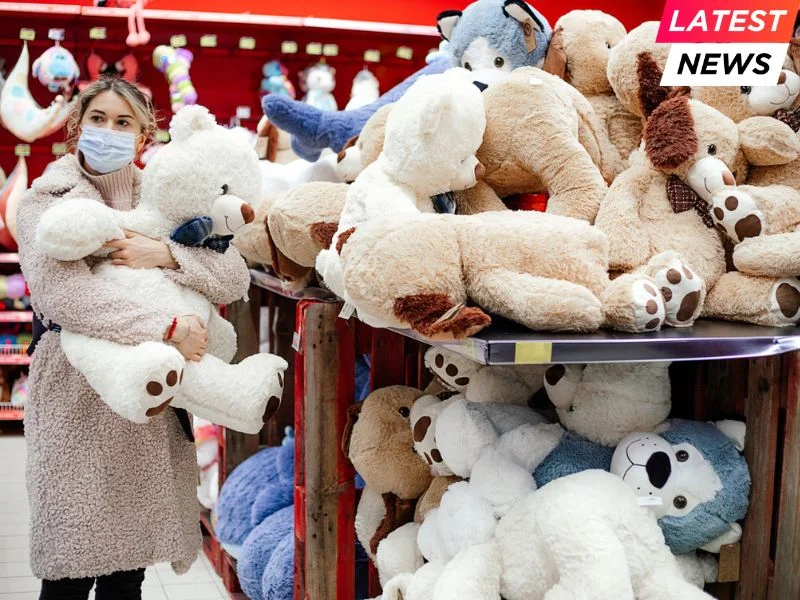
Sales data show that plush toys have become a fast-growing category among young adults, signalling a shift in how Gen Z spends on leisure and self-care. Industry figures from Circana indicate that 43% of UK adults bought a toy for themselves or another adult this year, rising sharply to 76% among consumers aged 18 to 34. Plush toys now rank as the fourth most popular toy category for adults, behind games, building sets, and action figures.
Brands riding this wave are reporting strong financial results. Chinese toymaker Pop Mart posted nearly a 400% jump in net profit in the first half of the year, while revenue climbed more than 200% to 13.88 billion yuan. Labubu dolls alone generated roughly $423 million in global sales last year. British plush brand Jellycat also delivered robust growth, with revenue rising 66% in 2024 to £333 million and profit before tax more than doubling.
Retailers and analysts say demand reflects more than seasonal gifting. “It’s the biggest year we’ve ever seen of adults buying toys,” said Melissa Symonds, UK toys director at Circana. She added that Gen Z consumers are driving much of the momentum, as companies tap into what she described as the “joy economy,” where comfort and nostalgia offset economic and political uncertainty.
Social media has amplified the trend. TikTok hosts millions of videos showing young adults building plush displays, hunting for authentic Labubu figures, or dedicating shelves to Jellycat collections. The platform has become a key marketing channel and community space, helping brands reach consumers who value shared identity as much as the product itself.
Economic pressure also plays a role. Rising living costs, global conflicts, and delayed milestones such as home ownership or parenthood have reshaped spending priorities. Some Gen Z consumers are turning to small indulgences, a behaviour often described as doom spending, choosing affordable pleasures over long-term investments. “There’s a bit of that Peter Pan effect where they don’t want to grow up,” Symonds said, noting that toys offer a way to hold on to happiness.
Loneliness adds another layer. Surveys show a high proportion of Gen Z reporting isolation, prompting brands to focus on community building. Jellycat has expanded pop-up experiences and social platforms, drawing predominantly adult audiences. Its chief executive Arnaud Meysselle said, “Seeing the response across multiple generations to our new characters has been wonderful.”
As Christmas approaches, plush toys appear less like novelty gifts and more like a reflection of shifting consumer psychology, where connection, comfort, and community increasingly shape purchasing decisions.
Related Readings: