You might think a quick wipe-down is enough, but workplace grime hides hazards you can’t always see. From slippery floors to airborne dust, overlooked messes add up, putting you and your team at risk.
By looking at case studies from Cleaner Cleaner UK, you can see how trained eyes spot threats before they cause accidents—insights that go far beyond the reach of a weekly desk tidy in an open-plan office.
Workplace Health Hazards
Walking into the building, you probably notice desks and computers, yet unseen dangers also lurk; understanding them is the first step toward creating a genuinely safe workplace environment.
Broad Safety Risks
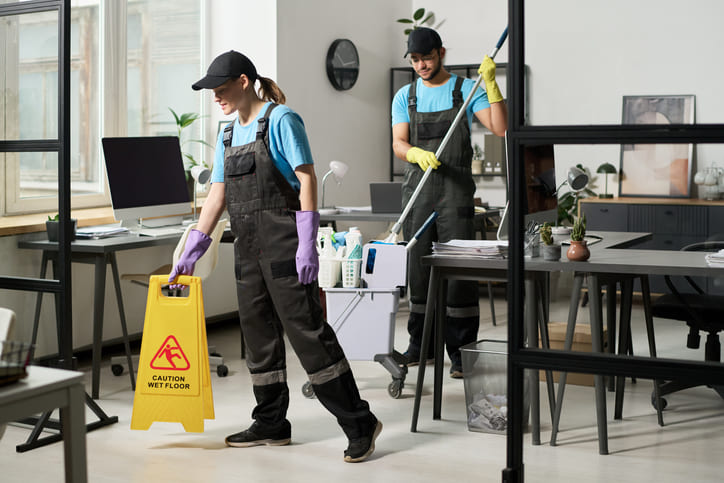
Professional cleaners recognize tripping hazards, blocked exits, and overloaded outlets faster than busy employees, eliminating them before they turn into recordable incidents.
Chemical and Biological Threats
From printer toner to lingering viruses, many substances can irritate lungs or infect skin; targeted cleaning removes or neutralizes these silent aggressors.
Long-Term Exposure Issues
Dust, mold, and poorly stored supplies may cause chronic conditions; regular monitoring and remediation protect everyone’s future health, not just today’s comfort.
High-Touch Surface Risks
Door handles, elevator buttons, and break-room faucets accumulate fingerprints fast; each touch can pass bacteria, viruses, or allergens around an office within minutes.
- Continuous monitoring ensures cleaners disinfect shared equipment before contamination spreads from one team to the next.
- Right products matter; certified disinfectants break down biofilms ordinary sprays miss, in line with CDC facility guidelines.
- Documented schedules provide proof for auditors and reassure staff that sanitation happens predictably, not sporadically.
- Event-based response dispatches extra crews after illness outbreaks or large meetings, breaking transmission chains quickly.
With structured routines and responsive adjustments, professional cleaners convert high-touch vectors into low-risk surfaces employees confidently share.
Air Quality Concerns
Air you cannot see often affects productivity more than décor you can; stale, dusty circulation feeds headaches, allergies, and even absenteeism.
Ventilation Verification
Professionals test airflow against OSHA indoor air quality recommendations, ensuring exchange rates dilute pollutants effectively during every seasonal shift.
Filter Maintenance
HEPA filters trap ultrafine particles yet clog rapidly; cleaners who replace and log cartridges prevent dangerous pressure drops and recirculated irritants.
Source Removal Strategy
Rather than masking odors with fragrance, trained crews locate moisture intrusion, microbial growth, and off-gassing materials, then remove or encapsulate them permanently.
Ergonomic Injury Prevention
Pain from repetitive tasks silently drains morale and insurance budgets; prevention begins long before a musculoskeletal claim reaches human resources.
- Desk assessments by cleaning staff identify wobbly chairs, uneven casters, and cord tangles that force awkward reaches.
- Floor-level vigilance removes debris that makes employees twist strangely when walking, protecting knees and backs alike.
- Micro-break prompts posted during nightly service remind workers to stretch and reposition equipment regularly.
- Data feedback from incident logs helps adjust cleaning frequency around high-risk production areas where material handling peaks.
Simple environmental tweaks orchestrated by cleaners keep posture neutral and joints aligned, reducing costly ergonomic complaints drastically.
Safe Chemical Handling
Custodial closets may store acids, alkalis, and solvents; mishandled, they endanger everyone, yet skilled crews treat these supplies with laboratory-level discipline.
Label Accuracy
SDS binders stay current and multilingual, so any employee finding a spill immediately knows the proper response without guessing or Googling.
Controlled Dilution Systems
Wall-mounted proportioners eliminate random glug-glug mixing, guaranteeing both cleaning effectiveness and worker skin safety.
Ventilated Storage
Professionals segregate incompatible chemicals and use negative-pressure cabinets, preventing harmful vapors from creeping into occupied areas overnight.
Interrupting Germ Transmission
A single sneeze can aerosolize pathogens across eight cubic meters; stopping that journey requires layered, science-driven interventions applied consistently.
Color-Coded Tools
Mops and clothes dedicated to restrooms never appear in cafeterias, eliminating cross-contamination vectors employees rarely notice.
Touchless Technology
Cleaners recommend and maintain sensor faucets, soap dispensers, and waste bins, cutting additional hand contact by design rather than reminder.
Real-Time Reporting
Mobile apps let crews flag biohazards instantly, so supervisors dispatch disinfection before routine schedules would normally reach that zone.
Specialized Cleaning Protocols
Certain industries—from labs to food processing—face regulatory pressures that exceed general office needs; specialized cleaners shoulder that complexity for you.
- Cleanroom standards demand particle-count validation, gowning procedures, and graded floor plans only certified technicians understand.
- Healthcare suites require compliance with OSHA bloodborne-pathogen rules, including traceability of every red bag leaving the site.
- Industrial plants benefit from confined-space-trained cleaners who degrease pits without compromising lockout-tagout protocols.
- Secure facilities rely on background-checked teams comfortable working around sensitive data or intellectual property.
By outsourcing to experts versed in these protocols, managers avoid citations and unlock more bandwidth for their primary missions.
Boosting Staff Morale
Shiny floors and fresh air subtly tell employees management cares; that perception directly influences how attentively they follow safety instructions.
Pride in Place
Well-maintained environments reduce the broken-window effect, encouraging everyone to store tools correctly and report hazards quickly.
Psychological Comfort
Knowing professionals sanitize thoroughly lets teams focus on creative work instead of worrying about lingering viruses on keyboards or door pulls.
Engagement Feedback
Cleaners often hear candid hallway comments; sharing those observations with leadership improves responsiveness and fosters a culture of mutual respect and vigilance.
Regular Deep Floorcare
Floors support every step, cart, and pallet; when neglected, they transform from foundation to hazard, especially during wet, dusty, or high-traffic seasons.
- Scheduled extraction removes embedded grit that abrades finishes, restoring slip resistance and visual clarity.
- Spot repair alerts allow maintenance to patch cracks or torn mats early, preventing ankle-twisting mishaps.
- Matting programs capture 80% of tracked soil at entrances, cutting both janitorial costs and slip incidents.
- Data-driven rotation adjusts scrub frequency based on visitor counts, as recommended by flooring safety specialists.
Consistent deep care, as outlined by industry guides, keeps walking surfaces trustworthy and extends the life of costly floor coverings.
Compliance Beyond Minimum
Regulations establish the floor, not the ceiling; professional cleaners push performance higher, turning check-the-box obligations into competitive advantages.
Proactive Audits
Self-inspections benchmark conditions against evolving OSHA standards and client certifications, closing gaps before inspectors find them.
Training Continuity
Monthly refresher courses keep crews updated on emerging pathogens, new equipment, and sustainable products, reinforcing a culture of lifelong learning.
Success Story Metrics
Firms embracing advanced cleaning often replicate OSHA VPP best-practice results, mirroring organizations showcased in agency success stories.
In short, partnering with certified cleaners creates safer, healthier, and more motivated workplaces. The investment pays for itself through reduced injuries, lower absenteeism, and a reputation for caring leadership—outcomes every organization values.
Essential Takeaway
You now see how professional cleaners close safety gaps your staff can’t reasonably cover. By reducing contagion routes, removing unseen hazards, and applying expert protocols, you protect productivity, legality, and well-being. Invested attention to cleanliness isn’t an upgrade; it’s the baseline expectation behind every safe, resilient, and respected workplace today.
Disclaimer: This article contains sponsored marketing content. It is intended for promotional purposes and should not be considered as an endorsement or recommendation by our website. Readers are encouraged to conduct their own research and exercise their own judgment before making any decisions based on the information provided in this article.