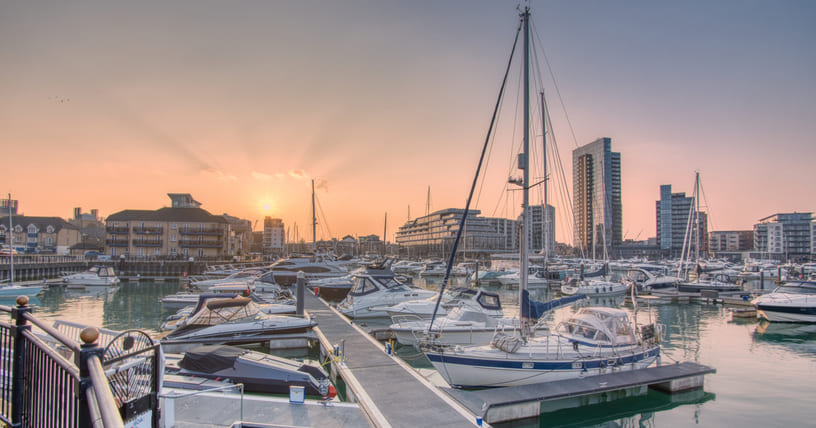
Waterfront infrastructure has long relied on wood as the material of choice for docks, gangways, and port structures. Its natural look and adaptability gave it timeless appeal, especially for marinas where aesthetics matter as much as function. Yet wood comes with an unending list of maintenance demands, from sealing and staining to repairs caused by decay and warping.
In contrast, aluminum is emerging as the NEW modern standard for marinas and ports. Strong, lightweight, and low maintenance, aluminum is setting new expectations for long-term performance.
Companies such as leading dock-building company MAADI Group are at the forefront of this transition, designing custom aluminum docks and bridges that meet strict codes while reducing lifetime costs.
A New Chapter in Dock Design
Wooden docks carry traditional charm, with their natural finish and warm tones. They are easily customizable, allowing marina operators to shape them to specific layouts or preferences. However, wood is highly vulnerable to environmental conditions. Constant exposure to moisture accelerates rot, while cycles of sun and rain cause warping and cracking. Splintering creates safety risks, particularly for areas with heavy foot traffic. To preserve functionality and appearance, owners must commit to frequent sealing, staining, and inspections.
Aluminum emerged as a reliable alternative over the past two decades. Rust-resistant alloys make it well suited to saltwater and freshwater conditions alike. The material is also lightweight, meaning docks and gangways can be designed for modular assembly and easier adjustments without heavy machinery. The result is a durable structure that requires little effort to maintain.
Lifespan and Durability: What the Numbers Tell Us
The longevity of a dock is one of the most critical considerations for marina developers and port authorities. Wood, even under the best conditions, typically lasts 15 to 30 years depending on species, treatment, and maintenance discipline. Pressure-treated lumber extends lifespan but adds chemical concerns and does not fully prevent decay.
By contrast, aluminum docks regularly last 30 to 50 years or longer. The resistance of aluminum to mold, insect damage, and warping contributes to this durability. Unlike wood, it does not weaken from repeated cycles of saturation and drying. For ports that face high traffic and environmental stressors, this longer lifespan equates to better value and fewer disruptions.
Table 1: Average Lifespan and Durability Comparison
| Material | Average Lifespan | Common Risks | Maintenance Impact |
| Wood | 15-30 years | Rot, warping, insect damage | High upkeep reduces usable life |
| Aluminum | 30-50+ years | Minimal structural degradation | Low upkeep preserves integrity |
Effort and Expense: A Practical Perspective
Maintaining wooden docks requires constant effort. Annual sealing is needed to repel moisture, while staining protects against ultraviolet damage. Power washing is often necessary to remove algae and mildew. Even with these measures, boards eventually need replacement, and repairs can disrupt marina operations.
Aluminum, on the other hand, requires minimal upkeep. Most structures remain intact with only occasional rinsing or cleaning to remove debris. The initial cost of aluminum is typically higher than wood, but the long-term savings in servicing, materials, and labor often outweigh the difference. For marina operators, this makes aluminum a financially sound investment.
Table 2: Maintenance Requirements and Cost Impact
| Material | Annual Maintenance Needs | Estimated Long-Term Cost | Operational Downtime |
| Wood | Sealing, staining, board replacement, inspections | High | Frequent, due to repairs |
| Aluminum | Occasional cleaning, inspections | Low | Minimal disruption |
Performance in Different Environments
Climate plays a major role in the performance of dock systems. In humid or saltwater regions, wood deteriorates rapidly despite treatments. Salt exposure accelerates corrosion of fasteners, and moisture creates ideal conditions for rot.
Aluminum withstands these challenges more effectively. Marine-grade alloys resist corrosion, maintaining strength in harsh environments. The material’s light weight makes docks and gangways easier to install, reposition, or remove seasonally. This modular adaptability is particularly valuable for resorts, harbors, and municipalities that adjust dock layouts based on use.
Safety is another factor. Wooden surfaces are prone to splintering and uneven wear, creating hazards for pedestrians. Aluminum offers smooth, uniform decking that resists deformation over time.
Environmental Impact and Sustainability
Sustainability is now a central concern for ports and marinas. Wood can be sourced from managed forests, but pressure treatments introduce chemicals into the environment. Maintenance often involves solvents and sealants that carry additional environmental risks.
Aluminum requires significant energy to produce, yet it holds one of the highest recycling rates of any industrial material. Nearly all aluminum can be reused without losing strength, and its scrap value remains strong. This gives aluminum docks an advantage at the end of their service life, as components can be recycled rather than discarded.
Design Flexibility and Aesthetic Options
The traditional appeal of wood lies in its warmth and natural look. It can be stained in various shades or shaped to fit intricate designs. However, this customization comes at the cost of maintenance.
Aluminum was once criticized for having an industrial appearance, but finishing techniques have expanded design possibilities. Powder coating offers a wide range of colors, while anodizing improves both durability and appearance. Some systems even replicate the look of wood grain while preserving the performance of aluminum. This combination of function and style allows marinas to achieve both modern performance and attractive aesthetics.
Meeting Standards and Building Confidence
Material selection is only part of the equation. Docks and bridges must meet strict safety and quality standards.Every design must meet local, regional, and national building codes – compliance with ISO 9001:2015 and adherence to advanced aluminum welding standards must show a clear commitment to structural integrity and safety.
“Clients rely on us for more than just aluminum products,” said Alexandre de la Chevrotière, founder of MAADI Group. “They trust our engineering expertise to deliver solutions that stand the test of time.”
A must for ports and marinas, where safety and long-term reliability are non-negotiable.
Broader Applications: From Marinas to Military
While the focus often rests on marinas and ports, aluminum is also shaping other applications. Floating ferry landings, wave attenuators, pedestrian bridges, and tactical bridges for emergency or military use all benefit from aluminum’s strength-to-weight ratio. In emergency settings, lightweight modular bridges can be assembled quickly without heavy machinery, restoring access during critical moments.
This adaptability shows how aluminum extends beyond recreational or commercial marinas to broader infrastructure needs. Ports, municipalities, and armed forces alike recognize its value.
Final Reflections
The transition from wood to aluminum in marina and port infrastructure reflects a shift in priorities. While wood carries traditional appeal, its vulnerabilities and ongoing upkeep limit its practicality. Aluminum delivers longer service life, lower maintenance demands, and greater safety across varied environments.
For developers planning waterfront infrastructure, aluminum is more than a modern alternative – it is a strategic choice that aligns durability, sustainability, and cost-effectiveness. As ports and marinas continue to adapt to growing demands, aluminum stands out as the material that secures both performance and design appeal for decades to come.
Disclaimer: This article contains sponsored marketing content. It is intended for promotional purposes and should not be considered as an endorsement or recommendation by our website. Readers are encouraged to conduct their own research and exercise their own judgment before making any decisions based on the information provided in this article.