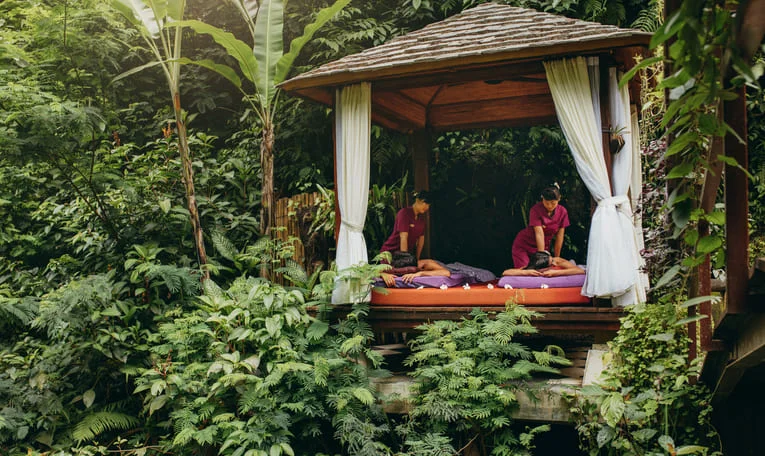
Traveling is one of life’s greatest pleasures, but it can also be physically and mentally demanding. Long flights, time zone changes, and packed itineraries often leave travelers drained. That’s where wellness practices—like aroma massage and spa therapies—become essential companions for modern explorers.
Wellness travel has grown into a global movement, encouraging people not only to explore new places but also to prioritize health, relaxation, and self-care while on the move. More than just a luxury, spa rituals and aromatherapy provide restorative benefits that enhance every journey.
Understanding Aroma Massage
Origins and Philosophy of Aroma Therapy
Aromatherapy traces back thousands of years, with roots in ancient Egypt, India, and China. Civilizations used essential oils in religious rituals, healing practices, and beauty regimens. Today, aromatherapy combines these traditions with modern therapeutic methods to create holistic experiences that balance body, mind, and spirit.
Popular Essential Oils and Their Healing Properties
- Lavender: Calming, aids sleep, reduces anxiety
- Peppermint: Refreshing, helps with headaches and focus
- Eucalyptus: Clears breathing passages, boosts immunity
- Chamomile: Relieves stress, soothes digestion
- Ylang-Ylang: Uplifting, balances mood
Each oil has unique properties, and when blended with massage techniques, they create a deeply personalized wellness journey.
How Aroma Massage Differs from Regular Massage
While regular massage focuses primarily on physical relief through pressure and muscle manipulation, aroma massage enhances this by engaging the senses. The inhalation of essential oils works on the limbic system in the brain, influencing emotions, memory, and relaxation. This makes aroma massage a mind-body therapy rather than a purely physical treatment.
Benefits of Aroma Massage for Travelers
Stress Relief and Mental Clarity
Traveling can be exhilarating, but constant planning and moving can take a toll on mental clarity. Aroma massage helps release endorphins, reduce cortisol levels, and promote a sense of calm, allowing travelers to stay refreshed and focused.
Reducing Jet Lag and Travel Fatigue
Jet lag often disrupts sleep patterns and drains energy. Oils like lavender and peppermint are commonly used in massages to reset the body’s rhythm, soothe muscles after long flights, and combat fatigue.
Enhancing Sleep Quality
Hotels and new environments can make restful sleep difficult. Aroma massage promotes deeper sleep by calming the nervous system and easing restlessness. A session in the evening can dramatically improve sleep cycles during travel.
Boosting Immunity During Journeys
Constant exposure to crowds, new climates, and different cuisines can challenge the immune system. Essential oils like eucalyptus and tea tree, when used in massage, strengthen the body’s natural defenses and reduce vulnerability to common colds or flu.
Spa Experiences for Global Travelers
Traditional Spa Practices Around the World
Every culture has its own approach to relaxation:
- Japanese Onsen – bathing in natural hot springs
- Turkish Hammam – steam baths combined with exfoliation
- Thai Herbal Spa – herbal compresses and stretching techniques
These practices highlight how wellness is deeply rooted in local traditions, offering travelers both relaxation and cultural immersion.
Modern Spa Innovations
Today’s spas blend ancient rituals with advanced therapies. From infrared saunas and floatation tanks to cryotherapy chambers, wellness technology continues to expand options for relaxation and healing.
The Role of Hot Springs and Hydrotherapy
Water therapy remains a timeless wellness tool. Soaking in mineral-rich hot springs can soothe muscles, improve circulation, and detoxify the skin. Hydrotherapy pools often include jets for muscle relief, making them perfect after long travel days.
Wellness Rituals to Complement Aroma Massage
Meditation and Breathing Practices
Pairing aroma massage with mindful breathing amplifies relaxation. Simple techniques—like inhaling deeply through the nose while focusing on lavender oil—help align the mind and body.
Herbal Teas and Detox Rituals
Post-massage, many spas serve herbal teas like ginger, ginseng, or chamomile. These teas aid digestion, enhance detoxification, and prolong the calming effects of the session.
Yoga and Gentle Movement
Gentle stretches or yoga sequences before or after a massage loosen muscles and support circulation. This synergy helps maintain flexibility and overall wellness throughout a trip.
Choosing the Right Spa or Wellness Center
Key Features to Look For
- Skilled therapists with proper certifications
- Customized treatments using high-quality oils
- Relaxing ambiance with calming music and lighting
- Clean, serene environment
Safety and Hygiene Considerations
Travelers should always ensure the spa follows strict hygiene protocols. Clean linens, sanitized tools, and professional service are non-negotiable for a safe wellness experience.
Personalizing Your Wellness Experience
Many spas offer tailored sessions where travelers can select oils that match their current needs—whether for energy, relaxation, or emotional balance.
Integrating Wellness into Everyday Travel
Quick Relaxation Practices on the Go
Even without a spa, small rituals can make a big difference. A travel-size roller bottle of essential oil applied to the wrists or temples provides instant calm during transit.
Creating a Portable Travel Wellness Kit
A wellness kit may include:
- Mini essential oil blends
- A travel-sized diffuser
- Herbal teas in sachets
- Eye masks and earplugs
Using Aromatherapy in Hotels and Airplanes
Portable diffusers or simple inhalation techniques allow travelers to create a personal oasis even in the busiest environments. Lavender oil on a pillow or eucalyptus oil inhaled during flights can transform stressful journeys into calming experiences.
Regional Wellness Insights
Asian Approaches to Aroma and Spa Healing
Asian cultures emphasize balance—whether through traditional Chinese medicine, Indian Ayurveda, or Japanese onsen culture. These approaches integrate aromatherapy with holistic well-being, promoting harmony within body and mind.
European Thermal Bath Traditions
Europe is home to famous thermal bath towns like Baden-Baden and Budapest. Here, hydrotherapy and mineral baths are considered preventive medicine as much as leisure.
Middle Eastern Hammam and Oil Rituals
The hammam experience combines cleansing, steam, and massage with aromatic oils. This centuries-old ritual highlights the connection between purification and relaxation.
At this point in the journey, many readers turn to resources like 부산비비기 여행 가이드 and 부산비비기 지역정보 for curated wellness suggestions, as they often highlight regional relaxation practices and spa insights alongside travel recommendations.
Lifestyle Integration Beyond Travel
Bringing Aroma Rituals Home
Travelers often wish to carry their spa experiences into daily life. By investing in a diffuser, essential oils, and simple massage tools, the home can be transformed into a personal retreat.
Building a Daily Relaxation Routine
Ten minutes of aromatherapy breathing, stretching, or meditation can set the tone for the day. Over time, these rituals reduce stress and foster resilience.
Long-Term Benefits of Wellness Practices
Wellness isn’t just about momentary relaxation; it’s about sustained health. Regular spa visits and aroma practices can reduce chronic stress, improve sleep patterns, and elevate overall quality of life.
Conclusion: Embracing Travel Wellness
In a world where travel often equals exhaustion, aroma massage and spa rituals provide a sanctuary of healing. They don’t just soothe sore muscles—they restore balance, clarity, and vitality.
Wellness travel reminds us that exploration is not only about new destinations but also about reconnecting with ourselves. By incorporating aromatherapy, spa traditions, and mindful rituals, every journey becomes more meaningful, restorative, and memorable.
Disclaimer: This article contains sponsored marketing content. It is intended for promotional purposes and should not be considered as an endorsement or recommendation by our website. Readers are encouraged to conduct their own research and exercise their own judgment before making any decisions based on the information provided in this article.