

By Dr. Samer Elhajjar
Digitalization allows us to work remotely and keep up with friends from other parts of the globe. But what about its effect on our emotional stability and happiness? Samer Elhajjar discusses the emotional toll of living in a hyper-connected world and how we can reclaim meaningful connections and emotional healing.
In recent years, the term “brain rot” has gained traction as a way to describe the mental fatigue and cognitive decline associated with the overconsumption of digital content. From endless scrolling on social media to binge-watching low-quality entertainment, the impact on our minds is undeniable. But what about the heart? While we focus on the deterioration of our cognitive faculties, we often overlook the emotional toll of living in an increasingly digital, fast-paced, and disconnected world. Emotional instability, exhaustion, loneliness, stress, and depression are on the rise, and they demand just as much attention as the cognitive consequences of our modern lifestyle.
The Emotional Toll of Over-Digitalization
Despite being more “connected” than ever before, many individuals are feeling emotionally distant and fragmented. Emotional shattering refers to the deepening fragmentation of our emotional health due to excessive digital engagement. The constant exposure to screens and virtual interactions can break down our ability to form meaningful, empathetic connections with others.
Social media, meant to help us stay in touch, often amplifies loneliness, anxiety, and emotional instability. Instead of fostering genuine connection, it creates an environment of comparison and surface-level interaction. Researchers found that higher social media use led to poorer well-being, increasing loneliness and depression.
While we may think we’re connected when we scroll through endless feeds and posts, these interactions are shallow, leaving us feeling emotionally drained rather than fulfilled. Over time, this contributes to emotional shattering, a state where we feel increasingly distant from others and disconnected from our own feelings.
So why is this Emotional Toll More Pronounced Today?
The shift is not just about how often we engage with technology—it’s about how we engage with it and how it’s reshaping our emotional frameworks.
In previous generations, relationships were primarily formed and nurtured through in-person interactions. While there were other distractions and challenges, emotional connections were often grounded in physical proximity, body language, and shared meaningful moments. In contrast, today, technology has become the middleman in nearly every form of interaction. We meet people online, express feelings through texts or social media posts, and seek emotional validation through virtual platforms. But these interactions—despite their frequency—lack the deeper qualities of human connection.
Our emotions are no longer steady or grounded; they have become a rollercoaster, swinging rapidly between highs and lows, with no time to process or catch our breath.
Furthermore, the sheer volume of interactions we have online has made it harder to find the emotional depth we need. With every notification, we are pulled away from the present moment, causing emotional fragmentation. It’s not just the overload of information—it’s the emotional exhaustion that comes from trying to process and respond to so many stimuli without having the emotional bandwidth to do so. We are constantly shifting between conversations, tasks, and obligations, without taking the time to emotionally process each interaction.
What makes the emotional toll of today’s technology so striking is, in particular, the rapid shift it has caused in how we experience emotions. In a world that is always on, we find ourselves constantly bombarded by information, notifications, and interactions. This overstimulation leads to emotional instability—a kind of emotional whiplash that swings us from one extreme to another in a matter of seconds. One moment, we’re elated by a social media post or an exciting news story, and the next, we’re overcome by stress or anxiety from a negative interaction, an upsetting headline, or the overwhelming demands of our digital lives. Our emotions are no longer steady or grounded; they have become a rollercoaster, swinging rapidly between highs and lows, with no time to process or catch our breath.
Over-Digitalization and its Impact on Human Relationships
Over-digitalization of communication has replaced face-to-face interactions with brief, fragmented exchanges. Texting, emailing, and messaging have become our primary modes of communication. Yet, these digital exchanges lack the richness of non-verbal cues—such as body language, facial expressions, and tone of voice—that are crucial for emotional understanding. As a result, conversations often become transactional, shallow, and impersonal.
While the internet and social media allow us to stay in touch with people across the globe, they also breed disconnection. Researchers revealed that social media use is correlated with increased feelings of loneliness, depression, and lower self-esteem. The constant barrage of curated images and updates from others can leave us feeling inadequate and disconnected, as we compare our real lives to others’ seemingly perfect online personas.
This technological disconnection is not limited to social media alone. Digital tools meant to streamline communication—such as instant messaging and video calls—often disrupt the flow of meaningful conversations. When people spend more time on screens than engaging with the people physically around them, it leads to a sense of emotional distance. The emotional intelligence necessary for deep, empathetic relationships is harder to cultivate in an environment dominated by digital noise.
How Over-Digitalization Makes us Emotionless
While technology has made the world more connected than ever, it has also introduced a profound disconnection from our emotions. Social media platforms, designed to facilitate interaction, have instead fostered shallow, performative exchanges. Instead of feeling understood or supported, we’re left craving more—more likes, more attention, more validation from people who are often no more than virtual strangers.
The constant pressure to maintain a curated digital presence—carefully selecting moments to share, projecting an idealized version of ourselves—leads to emotional numbing. We engage less with our authentic feelings and more with the emotionally “safe” versions of ourselves presented online. This endless cycle can lead to what many experts now call “emotional depletion,” where we are left feeling hollow and disconnected despite being constantly “connected” through screens.
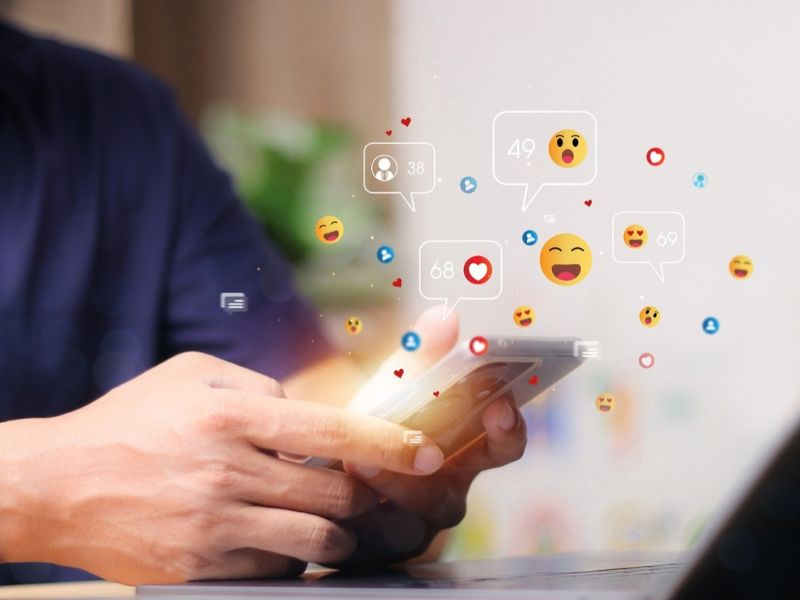
The “death of emotions” is particularly evident in the way people experience relationships today. Many digital interactions—whether through social media, messaging apps, or algorithmic dating apps—lack the nuance and depth of face-to-face communication. Emotions are no longer communicated with the richness of voice, body language, or physical presence. Instead, they are reduced to quick texts, emojis, and status updates—superficial markers that fail to capture the complexity of human emotion. These shallow exchanges chip away at our ability to feel deeply, making us emotionally detached and unfulfilled.
The Paradox of AI Chatbots in Personal Relationships
As digital communication becomes more impersonal, a new development has emerged: the use of AI chatbots designed to simulate human companionship. Chatbots like Replika are marketed as a solution for loneliness, offering conversations with an artificial friend who listens and responds empathetically. While these bots can be a temporary distraction, their limitations are stark. They cannot give genuine emotional understanding, empathy, or the complexity that comes with real human relationships.
Many individuals seeking emotional support from AI chatbots may feel heard, but the interaction is ultimately hollow. Research published explored the use of AI chatbots in providing emotional relief, but the findings were clear: while they may help in the short term, they lack the capacity to engage in deep emotional exchanges. AI chatbots are designed to simulate conversation, but they fall short of offering the true emotional connection that humans need.
The emotional void left by AI-driven interactions may eventually lead to deeper feelings of isolation. While these chatbots can be helpful in moments of acute loneliness, they cannot replace the nuanced and reciprocal nature of human relationships. Humans crave real, meaningful connections, and no matter how advanced AI becomes, it will never be able to replicate the warmth and authenticity of a conversation with another person.
The Transformation of Love
The impact of the digital age on love and humanity is profound and multifaceted. Technology has created barriers to genuine connection and emotional intimacy. Dating apps, for example, have commodified love, reducing relationships to a series of profiles and swipes. This “shopping mentality” encourages individuals to seek the next best option instead of investing in meaningful, long-term connections.
The paradox of choice created by these platforms can make it harder to commit, leaving many to struggle with the fear of missing out on a better partner. In this environment, relationships are often judged on superficial qualities like appearance and quick judgments, while deeper factors such as emotional compatibility and shared values take a backseat.
The digital age has also had a profound effect on our broader sense of humanity and empathy. Constant exposure to tragic news and online outrage has desensitized many individuals to human suffering, leading to emotional numbness. Social media algorithms often create echo chambers, reinforcing existing beliefs and contributing to polarization. This lack of exposure to diverse perspectives can make it harder to empathize with others, further deepening societal divides. The result is a growing sense of disconnection, as the digital world replaces genuine, face-to-face interactions that foster shared humanity. This erosion of empathy extends to our personal relationships, where we struggle to form deeper emotional bonds due to the distractions and superficiality that digital interactions often bring.
Despite these challenges, there is hope for reclaiming love, humanity, and emotional depth in the digital age. By setting boundaries around technology and prioritizing face-to-face interactions, we can restore the authenticity and depth of our connections. Reviving empathy through acts of kindness, active listening, and volunteering can help restore our shared sense of humanity. Embracing the imperfections of love and relationships, rather than striving for idealized versions, allows us to cultivate deeper, more meaningful connections. By building intentional communities—both online and offline—that prioritize emotional support and inclusivity, we can counteract the isolating effects of the digital age and create a more compassionate, connected world.
Love remains the force that defines our humanity, and it’s up to us to nurture it in the face of ongoing digital disruption.
The Stigma around Emotional Vulnerability: A Barrier to Healing
One of the most significant emotional issues many people face today is the stigma surrounding emotional vulnerability. For many, especially in certain cultures and social contexts, there is an overwhelming pressure to suppress emotions. Men, in particular, are often socialized to avoid expressing vulnerability, with phrases like “man up” or “don’t cry” still prevalent in many communities. This expectation leads to the suppression of emotions, which ultimately results in emotional stagnation. The fear of judgment or appearing “weak” prevents people from opening up about their feelings, leading to isolation and an inability to process emotions in healthy ways.
We must normalize conversations about emotional vulnerability and create safe spaces where people feel free to express their feelings without fear of judgment.
The digital world has further exacerbated this stigma. On social media, where people tend to showcase the best parts of their lives, there’s little space for vulnerability. Everyone presents an image of success, happiness, and perfection, but this curated version of reality hides the emotional struggles that many people experience. Those who express feelings of sadness, anxiety, or loneliness often face judgment or lack of support, further discouraging them from speaking out. In this environment, many people, particularly men, feel isolated in their emotional struggles, unable to reach out for help because of fear of being stigmatized.
But this needs to change. We must normalize conversations about emotional vulnerability and create safe spaces where people feel free to express their feelings without fear of judgment. It’s essential to dismantle the cultural and societal pressures that prevent emotional expression and embrace the idea that being open about one’s struggles is not a sign of weakness but a sign of strength. Encouraging people to speak out about their emotions—positive or negative—can foster a sense of connection and support essential for emotional well-being.
Reconnecting with Emotional Well-being in the Digital Age
To address the emotional health issues exacerbated by over-digitalization and AI chatbots, we must take a multifaceted approach. Practical steps are available to individuals to safeguard their emotional well-being in an increasingly digital world.
1. Mindfulness and Emotional Awareness
One of the most effective ways to counter emotional exhaustion is to cultivate mindfulness. Practices like meditation, journaling, and deep breathing exercises help individuals reconnect with themselves and manage stress. By becoming more aware of their emotional state, people recognize when they are becoming overwhelmed or disconnected and take action before burnout sets in.
For example, several apps provide guided meditations and techniques to help individuals manage their emotional health, but the key is for users to incorporate these practices into their daily routines—ensuring they prioritize emotional self-care amid their busy lives.
2. Digital Detox
Taking time away from screens is critical for emotional restoration. Digital detoxes, whether brief or extended, allow individuals to disconnect from the constant demands of technology and reconnect with their surroundings, their thoughts, and, most importantly, other people. Studies show that reducing screen time, especially social media use, can significantly improve emotional well-being, reduce feelings of loneliness, and promote a healthier work-life balance.
For instance, some people set specific boundaries around their use of devices—such as no social media on weekends or limiting work emails to certain hours—to engage more meaningfully with the world around them. These boundaries help people prioritize in-person interactions and focus on deepening relationships rather than merely skimming the surface.
3. Fostering Real Connections
In an era where digital communication often takes precedence, it is important to prioritize face-to-face interactions. Studies show that physical touch, eye contact, and active listening—all elements of in-person communication—are essential for emotional bonding. Humans need genuine, reciprocal relationships to thrive emotionally.
Whether through regular social meetups, community activities, or volunteer work, creating opportunities for deep, real-world interactions can strengthen emotional health. These relationships offer a sense of belonging and connection that digital tools, no matter how advanced, cannot replicate.
4. Leveraging Technology for Emotional Support—With Caution
While AI chatbots may not replace human connection, technology can still play a positive role in supporting emotional health when used thoughtfully. Virtual therapy services, support groups, and mental health apps can offer helpful resources and guidance. However, these tools should be seen as supplements to, not substitutes for, real human relationships.
For example, several platforms allow individuals to seek counseling and emotional support remotely. These services provide an outlet for people who may not have access to traditional face-to-face therapy. However, they should be used alongside efforts to foster real-world emotional connections.
A Call to Reclaim our Emotional Health
The emotional toll of living in a hyper-connected world is a crisis we can no longer ignore. As we navigate this new digital era, it’s clear that technology, while offering immense benefits, also comes with hidden emotional costs. The disconnection, loneliness, stress, and emotional exhaustion many of us experience are real consequences of living in a world that demands constant digital engagement.
One of the biggest limits of AI agents and digital tools is their inability to truly form emotional connections. They might imitate empathy with pre-set responses or sentiment analysis, but they don’t actually feel, understand, or relate. Their “compassion” is programmed, not genuine.
However, the deeper concern is not about what AI cannot do—it’s about what we might slowly lose as humans. If we rely more and more on emotionless systems for companionship, comfort, or communication, we risk weakening our own emotional intelligence. Our capacity to understand others, listen with presence, and handle complex relationships isn’t automatic; it requires ongoing effort with other humans.
The core we stand to lose is the very essence of our humanity. When empathy is handed off and vulnerability is suppressed in favor of quick, digital exchanges, we start to undervalue the emotional effort that keeps societies alive—care, trust, forgiveness, belonging. These qualities cannot be copied by any computer program. If we get too used to artificial interactions, we risk becoming emotionally numb ourselves, unable to build or maintain meaningful human connections.
However, the good news is that we have the power to change this. By setting boundaries, prioritizing real connections, and intentionally caring for our emotional well-being, we can begin to reverse the emotional toll of over-digitalization. Now more than ever, it is essential to protect our hearts from the overwhelming demands of technology, and in doing so, we can reclaim our emotional strength and resilience.