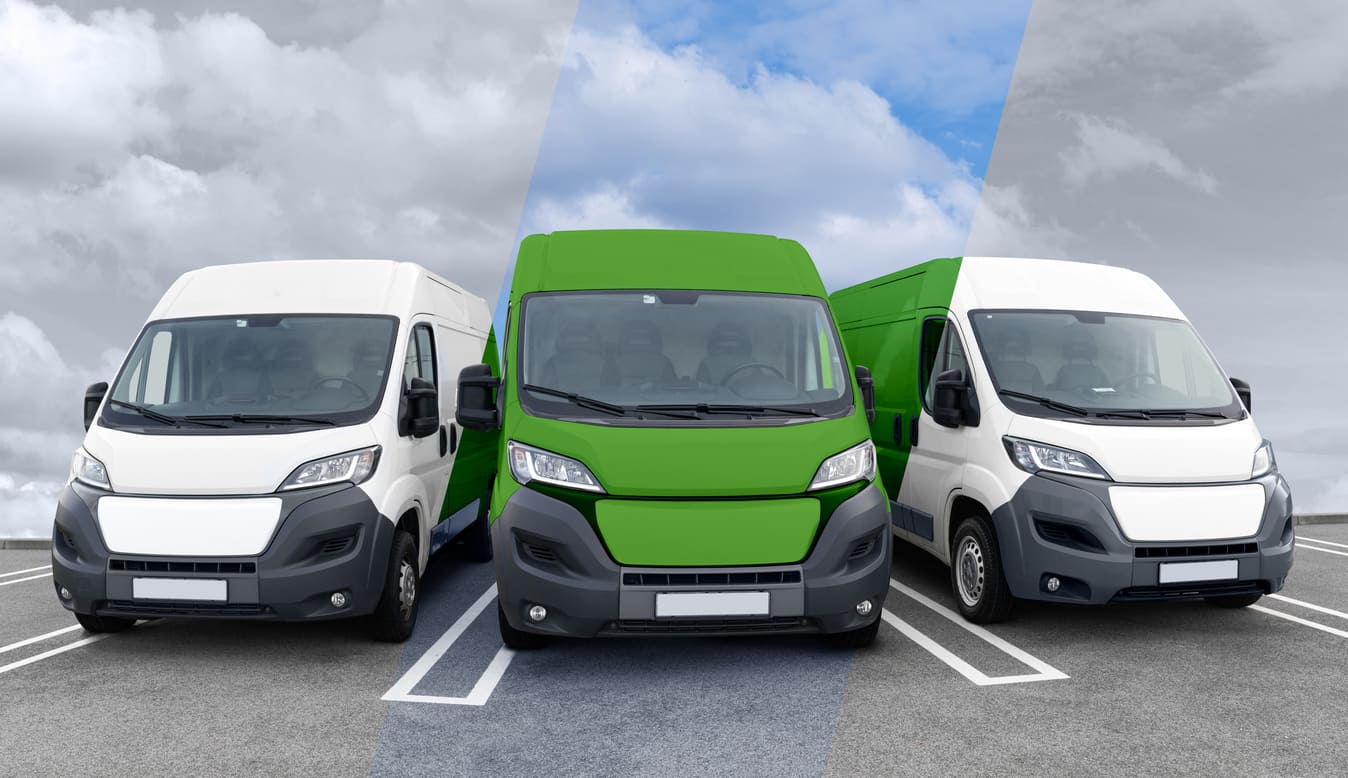
Most businesses that invest in vehicle branding stop at the graphics. They’ll spend a couple of grand getting their vans wrapped with logos, contact details, and maybe a catchy tagline. The vehicles look professional enough, and that seems like job done. But there’s a detail that gets overlooked almost every single time—one that sits right there at the front and back of every company car, telling its own story whether anyone’s paying attention to it or not.
Standard number plates don’t exactly scream “we’ve got our act together.” They’re random, forgettable, and completely disconnected from everything else the business is trying to communicate. For companies that care about consistency and professional presentation, that’s a problem. Not a massive, urgent problem, but the kind that quietly undermines all the effort that’s gone into building a recognizable brand.
The Branding Gap Nobody Talks About
Here’s what typically happens: a business decides to smarten up its fleet. Someone gets quotes for vehicle wraps, picks a design, books in the vans, and a few weeks later the vehicles are out there looking sharp. The logo’s bold, the phone number’s readable from three cars back, and there’s usually some clever line about quality or reliability. Everything matches the website, the business cards, the uniforms. Everything except those two rectangles at either end of the vehicle.
The registration plates are still whatever came with the motor when it rolled off the forecourt—a meaningless string of letters and numbers that changes every time the company buys a new vehicle. It’s not that they look bad, exactly. They’re just… there. Doing nothing for the brand except meeting the legal requirement to display something.
What Actually Makes Company Vehicles Memorable
Think about the businesses whose vehicles actually stick in your head. Not just because they’re wrapped in bright colors or have huge graphics, but because something about them feels intentional. Coordinated. Like someone thought about the whole package rather than just slapping a logo on the side and calling it marketing.
That’s where Private Number Plates come into play for businesses that want their fleet to project a more polished image. A registration that actually connects to the company name—or even just matches across multiple vehicles—creates visual consistency that standard plates can’t touch. It’s subtle, but it registers with people who notice these things. And the people who notice these things are often the exact clients worth impressing.
The difference isn’t flashy. It’s the kind of detail that quietly elevates how professional a business appears, which matters more in some industries than others. A plumbing van with a matching plate might just look like a plumbing van. A consultant’s car with a registration that aligns with their company name suggests someone who pays attention to presentation at every level.
The Cost Conversation That Changes Everything
Vehicle wraps aren’t cheap. A full van wrap typically runs anywhere from £1,500 to £3,000, depending on the size and complexity. That’s per vehicle. And they’re not permanent—most wraps last three to five years before they need replacing or start looking tired. For a business with even a modest fleet of five vehicles, that’s a recurring expense of £7,500 to £15,000 every few years.
Private plates, by comparison, are a one-time purchase that transfers between vehicles indefinitely. A decent plate that spells something relevant to a business name might cost anywhere from a few hundred to a couple of thousand pounds, but it never needs replacing. It moves from the old van to the new one. It stays consistent even as the fleet turns over. The math starts looking surprisingly sensible when viewed over the typical ownership period of multiple vehicles.
This isn’t about replacing vehicle graphics entirely—those still do heavy lifting for visibility and contact information. But when the registration actually complements the wrap instead of contradicting it with random characters, the whole presentation feels more deliberate. More established.
What Clients Actually See (And Remember)
Most business owners assume clients don’t pay attention to number plates. They’re partially right—most people don’t consciously study registrations. But branding works on multiple levels, and consistency gets processed even when it’s not front of mind.
A company that shows up with three different vans, all branded identically, all with coordinated or matching registrations, signals something. It suggests organization. Investment. Attention to detail. The kind of business that has its systems sorted and probably extends that same thoroughness to its actual work.
Compare that to the same three vans with identical wraps but completely random plates—one from 2019, one from 2022, one from last year. Nothing wrong with it, obviously. But the overall impression isn’t quite as cohesive. There’s a subtle disconnect that most people won’t articulate but will absolutely register on some level.
The Practical Side of Fleet Consistency
For businesses with multiple vehicles, coordinated registrations solve a genuinely practical problem too. When everything in the fleet has a connection to the company name or a sequential system, it’s immediately obvious which vehicles belong to the business. This matters for logistics, for tracking, and frankly just for reinforcing brand recognition every single time those vehicles are on the road.
Some companies go with variations on their business name. Others use sequential numbers. The specifics matter less than the consistency itself—the fact that someone clearly thought about it and made deliberate choices rather than just accepting whatever came with each vehicle purchase.
This is where it gets expensive for businesses that didn’t think about it upfront. Retrofitting an entire fleet with matching or coordinated plates costs the same whether it’s done all at once or vehicle by vehicle—but doing it piecemeal means the brand consistency arrives years later than it could have. Businesses that treat registrations as part of their initial fleet specification get that cohesive look from day one, which compounds the professional impression over time.
The Detail That Separates Serious Operations from Everyone Else
There’s a reason the most professional-looking company vehicles tend to have thought-out registrations. Not always personalized or obviously connected to the business name, but clearly chosen rather than random. It’s the same reason those businesses usually have clean vehicles, updated graphics, and consistent branding across all their materials. They understand that professionalism is a total package, and weak links undermine everything else.
Vehicle wraps do most of the heavy lifting for visibility. They’re what people see first, what they remember most clearly, what gives them the phone number to call. But registrations are part of the story too—a supporting detail that either reinforces the professional impression or quietly contradicts it with randomness.
For businesses competing in crowded markets, especially service industries where trust and professionalism directly influence buying decisions, these details accumulate. A smart registration won’t win a contract by itself, but it contributes to the overall perception that this is a business that has its act together at every level. And that perception, built across dozens of small choices, absolutely influences which company gets the call when several options look roughly equivalent.
The question isn’t really whether company vehicles need more than just a logo wrap. It’s whether businesses are willing to recognize that everything visible on those vehicles—including what’s legally required to be there anyway—is sending a message about who they are and how they operate. Getting that message right in every detail isn’t essential, but it’s definitely the difference between looking professional and looking seriously professional.