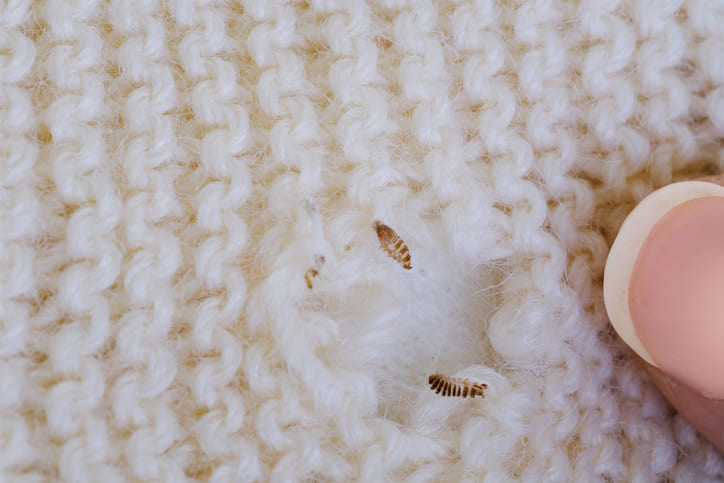
You might not panic at the flutter of a tiny moth, but those quiet wings can signal bigger troubles lurking in closets, cupboards, and even insulation.
Left unchecked, larvae chew through fabrics, contaminate food, and attract other pests, undermining the health and structure of your living space.
When you’re wondering what a thorough inspection or treatment looks like, browsing the straightforward advice on mothexterminator.co.uk can ground your next steps.
Moth Infestation Red Flags
Spotting a problem early saves hassle, money, and beloved belongings, yet many homeowners overlook the subtle calling cards moths leave behind until real destruction appears.
- Tiny fluttering shadows near closets or pantries at dusk signal adult moths scouting dark, quiet egg-laying zones inside your home.
- Pin-sized eggs stuck to wardrobe corners or food packaging indicate breeding has already begun and larvae will soon hatch hungry for protein or grain.
- Sand-like frass (insect droppings) gathering along baseboards, shelves, or drawer seams often gets mistaken for dust but betrays active feeding larvae.
- Silky webbing stretched across sweater sleeves, carpet tufts, or cereal boxes shows larvae anchoring themselves while munching through fibers or flour.
- Musty odors emanating from storage trunks or rarely opened cupboards develop as keratin-loving larvae break down natural fabrics in still, humid air.
- Irregular holes appearing overnight in wool, cashmere, or even cotton stained with food matter confirm larvae have graduated from nibbling to full-scale dining.
Confirm red flags by comparing pictures on trusted resources, then tackle the problem before it spirals out of control.
Health And Safety Risks
Moths seem harmless because adults neither bite nor sting, yet an unchecked infestation threatens indoor air quality, food hygiene, and even respiratory wellbeing for sensitive family members.
Allergen Build-Up
Larval skins shed constantly; those microscopic casings become airborne dust, aggravating asthma, eczema, and seasonal allergies whenever closets or rugs are disturbed.
Food Contamination
Pantry moth larvae chew through flimsy packaging, leaving silk, feces, and webbing among cereals and pet food that can trigger gastrointestinal upset if consumed accidentally.
Toxic Shortcuts
Desperation drives some homeowners toward old-fashioned mothballs containing naphthalene or paradichlorobenzene, chemicals linked to headaches, dizziness, and potential carcinogenic effects.
Fire Hazards
Larvae tunneling through stored quilts or attic insulation loosen fibers that drift into HVAC systems, reducing efficiency and increasing the risk of overheating motors.
Hidden Damage To Fabrics
That one mysterious hole in your favorite sweater rarely stays lonely; moth larvae work methodically, targeting hidden seams and pricey textiles long before visible clues emerge.
Why Animal Fibers Suffer
Keratin in wool, silk, cashmere, and feathers offers perfect nutrition, allowing larvae to grow rapidly while cutting channels that weaken entire garment structures.
Favorite Hiding Spots
Underarm seams, inner cuffs, and folded edges remain dark and undisturbed, creating private buffets where larvae feast undetected for weeks or months.
Secondary Casualties
Mixed-fiber blends, vintage upholstery, and heirloom quilts pick up food spills or body oils, making plant fibers palatable and expanding the infestation’s appetite.
Cost Of Neglect
Repairing delicate knits or antique rugs often costs more than replacement; worse, sentimental pieces like wedding gowns or baby blankets may be irreplaceable.
Deep Cleaning Essentials
An integrated clean-and-screen routine interrupts every stage of the moth life cycle, preventing survivors from repopulating closets or cupboards after your first treatment sweep.
- Empty completely so no crevice remains unchecked; dislodge eggs hiding behind shelving, picture frames, or floor molding with a crevice tool attachment.
- Wash or dry-clean all fabrics according to care labels; heat, detergent, and solvents destroy residual eggs and larvae embedded in natural fibers.
- Freeze delicates that cannot be laundered; seventy-two hours at –18 °C kills insects without risking shrinkage or color bleed.
- Vacuum methodically including mattress buttons, under beds, and inside sofa arms; discard bags outdoors to prevent inadvertent reinfestation from surviving eggs.
- Disinfect shelves with mild detergent or white vinegar; larvae dislike clean, scent-free surfaces lacking food residue or dust build-up.
- Repeat weekly for a month to outpace any staggered hatching cycle; persistence ensures every generation gets removed before breeding again.
Consistency, not brute chemicals, delivers lasting victory, so schedule cleaning sessions on your calendar until monitoring traps remain empty for several successive weeks.
Targeted Trap Strategies
Pheromone traps function like radar, revealing hidden activity while reducing breeding males; deploying them correctly maximizes coverage and shortens the path to moth-free peace.
Select The Right Lure
Textile, carpet, and pantry moths use different pheromones; double-check packaging before purchase to avoid wasting time on the wrong species attractant.
Optimal Placement
Install traps three to six feet high in calm, low-traffic zones; airflow lets pheromones drift, drawing males from corners without household drafts diluting the scent.
Timing And Rotation
Activate fresh strips every twelve weeks, or sooner when dusty, to maintain potency; rotate locations weekly if catches stagnate to track shifting moth hotspots.
Data-Driven Decisions
Keep a notebook, noting catch numbers and dates; rising counts signal hidden larvae still feeding, whereas declining captures show cleaning routines are succeeding.
Smart Storage Practices
Once garments and grains are spotless, smart storage denies moths the darkness, food, and moisture they crave, creating an environment where infestations struggle to restart.
- Choose breathable bags made of tight-weave cotton rather than plastic, allowing airflow while blocking moth entry and preventing mildew during long off-season periods.
- Seal dry goods inside glass jars or BPA-free airtight containers; even persistent larvae cannot chew through rigid walls or silicone gaskets.
- Label and rotate seasonal bins twice yearly, encouraging regular inspections that break the “out of sight, out of mind” invitation moths adore.
- Add natural aromas like freshly sanded cedar blocks or lavender sachets; scents alone won’t solve infestations but act as gentle deterrents between deep cleans.
- Avoid overcrowding closets; leave two-finger spacing between hangers so light and air circulate, discouraging the stillness adult females prefer for egg-laying.
- Quarantine newcomers from thrift shops or online marketplaces in sealed bags for a week; any stowaway larvae reveal themselves before meeting your wardrobe.
Thoughtful organization doubles as preventive maintenance, saving future weekends that would otherwise be spent rewashing, repairing, or replacing cherished items.
Humidity Control Tips
Moths flourish where moisture lingers, so managing relative humidity bolsters every other control measure while guarding against mold, mildew, and other moisture-loving pests.
Use Hygrometers
Affordable digital gauges quickly show humidity spikes; aim for 45-50 percent throughout storage zones, adjusting vents or dehumidifiers when readings creep higher.
Improve Airflow
Install slatted shelves, leave wardrobe doors ajar on sunny days, and run ceiling fans periodically; constant movement keeps microclimates from forming in dark corners.
Deploy Desiccants
Silica gel packets or renewable clay absorbers placed inside garment bags and pantry bins wick excess moisture without adding chemical odors to sensitive fabrics.
Insulate Smartly
Proper attic and basement insulation prevents condensation, protecting stored blankets and vintage clothing from dampness that accelerates both mold growth and moth activity.
When To Call Professionals
Sometimes, despite best efforts, moths keep returning; extensive wall-to-wall carpeting, complex HVAC systems, or structural voids can harbor colonies beyond DIY reach.
Signs Of Persistent Infestation
Weekly vacuuming still yields fresh larvae, or traps continue catching high numbers after two full breeding cycles, indicating inaccessible breeding pockets remain active.
Specialized Equipment
Professionals use industrial heaters, fumigation tents, and residual insect growth regulators, reaching hidden spots without exposing household members to improper chemical use.
Cost-Benefit Analysis
Comparing repair or replacement costs of rugs, coats, and stored food to one-time treatment fees often reveals professional intervention as the more economical option.
Choosing A Provider
Seek licensed firms offering integrated pest management, written guarantees, and clear follow-up schedules to ensure eggs, larvae, and adults are eliminated comprehensively.
Peace Of Mind
Handing the battle to experts lets you focus on living comfortably, knowing certified technicians monitor and address any resurgence before damage reoccurs.
Mindful Vigilance
By staying alert to early signs, maintaining rigorous cleanliness, and sealing entry points, you safeguard health, fabrics, and peace of mind. Understanding how moths get inside the house guides you to block future invasions, reducing reliance on chemicals and costly repairs. Act now; prevention always outweighs remediation in the long-term.