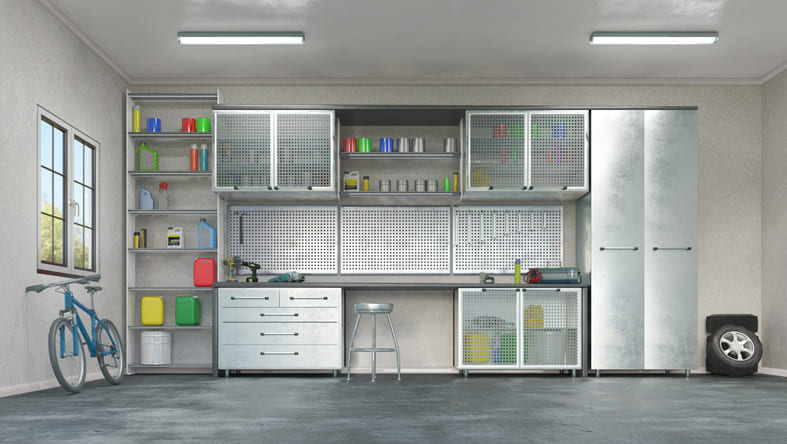
The automotive industry keeps changing, shaped by new technologies, customer needs, and shifting market demands. Garages have become key spaces for progress, blending efficiency with smart practices that reflect new ways of doing service work. No longer just storage areas for tools and cars—modern garages now act more like labs, where flexible layouts and workflows make it easier to handle a variety of tasks.
Designing garages to stay flexible creates an environment where change is expected and welcomed. The setup helps teams work better together and handle different jobs without hassle. As garages update how layouts are arranged, it’s easier to meet the demands of today’s automotive work.
Use Modular Infrastructure to Keep Bay Configurations Fluid
Modular systems give garages the flexibility to reconfigure spaces without slowing down the work. Products like those from Track Busway make it easy to reposition power, lighting, and data connections as tasks change. Flexibility like that is especially useful for areas handling diagnostics, fabrication, or rapid turnaround jobs. Overhead modular tracks also help clear floor space, reducing clutter and improving movement.
For example, ceiling-mounted tool reels or lighting units allow each bay to access essentials without blocking pathways. Modular setups support different work styles and simplify mid-shift changes. Start by reviewing your current layout and spotting areas where modular upgrades could replace static fixtures. Even small changes can unlock smoother, faster workflows.
Create Task-Based Zones for Smoother Workflow
Organizing garage space by task—like diagnostics, assembly, or repair—helps eliminate bottlenecks and keeps teams moving. Instead of assigning areas based on job titles, grouping zones by what needs to get done allows techs to shift focus quickly as demands change. This setup removes unnecessary handoffs and supports cross-functional collaboration.
It also makes it easier to train new team members and adapt to changing priorities. Start by identifying the most common tasks and designating flexible areas for each. When work areas match real-time needs, the entire operation becomes faster, more responsive, and less prone to interruption.
Make Your Storage Strategy as Mobile as Your Tools
Mobility is key to how modern garages stay efficient. Using rolling storage solutions helps prevent downtime and reduce clutter. For example, tool walls on wheels make important tools easy to grab, saving time that would be spent searching. It allows techs to switch between tasks without slowing down, unlike fixed storage units.
Spreading storage throughout the workspace also improves movement, so parts and tools are always close. That helps the team respond faster to changing workloads or unexpected tasks. Making mobile storage a regular part of the setup keeps everyone ready for whatever comes up.
Use Floor and Equipment Cues to Cut Verbal Coordination
Busy garages can be noisy and chaotic, making clear communication essential. Visual cues such as colored floor lines and shadow boards offer quick, easy-to-understand guidance that keeps work flowing. Tools mark specific task areas, so technicians can shift between jobs without needing constant verbal directions. A well-marked space also helps new team members get up to speed faster.
The setup reduces mistakes and keeps work running smoothly. When teams aren’t relying on constant talking, focus stays intact. Adding visual cues throughout the garage helps everyone stay aware of their surroundings, supporting a more efficient space. Simple visual aids can make a big difference in how the garage runs day to day.
Design for Mid-Shift Adaptability Not Just Daily Changeovers
Garage work often changes quickly—even within a single shift. Having a space that can adjust mid-shift helps teams handle partial teardowns or quick layout changes without losing time. Lightweight, mobile benches and tools make it easy to move equipment around as jobs shift. A setup like that is useful for handling sudden increases in work.
Spaces that can be quickly adjusted help avoid slowdowns and reduce pressure during busy times. When stations can be moved fast, teams stay productive and ready for what’s next. For example, using adjustable-height workbenches with lockable wheels allows technicians to quickly shift between diagnostic work and hands-on repair. Choosing modular gear that fits certain job types adds even more flexibility to the space.
Garages work best when designed to move with the needs of the job. Instead of waiting for a full remodel, start with one small improvement—a rolling bench, a shadow board, or a visual floor cue. These simple changes can shift the pace and reduce friction during the day. If a tool or setup feels awkward, that’s a sign it’s ready for a smarter fix. Adaptability doesn’t have to be complicated. Testing flexible ideas in real time allows the space to grow with your team. One thoughtful tweak today could unlock a smoother, faster, and more collaborative tomorrow. Start there.