Imagine hitting a massive jackpot and winning a sum that instantly transforms your future. Now, consider a critical question: How much of that spectacular win do you actually get to keep in Slovenia? Winning a significant prize from gambling is an exhilarating experience. However, that excitement can quickly be tempered by confusion regarding tax obligations.
Slovenian law establishes distinct rules for taxing gambling winnings, which depend on the type of game and where it was organized. This article clarifies the essential fiscal knowledge for any Slovenian player to ensure compliance with the Financial Administration of the Republic of Slovenia (FURS).
Taxation Varies by Game Type
The core principle of taxation on gambling winnings in Slovenia is based on a fundamental distinction between two categories of games: conventional and special games of chance.
Conventional Games of Chance
Conventional games of chance are widespread lotteries, raffles, bingo, and traditional sports betting. The tax regime for these games is structured with a specific rate and a minimum threshold.
- The tax rate: A fixed rate of 15% is levied on the winnings.
- The taxable amount: Only prizes that surpass the value of €300 are subject to taxation. Winnings below this threshold are not taxed.
- Withholding the tax: The entity that organized the game in Slovenia is responsible for calculating and withholding this 15% tax directly from your prize before payment.
This payment is considered a final tax. Consequently, if you win a prize from a Slovenian lottery or betting company, you do not need to report that winning amount in your annual personal income tax return.
Special Games of Chance (Casino Winnings)
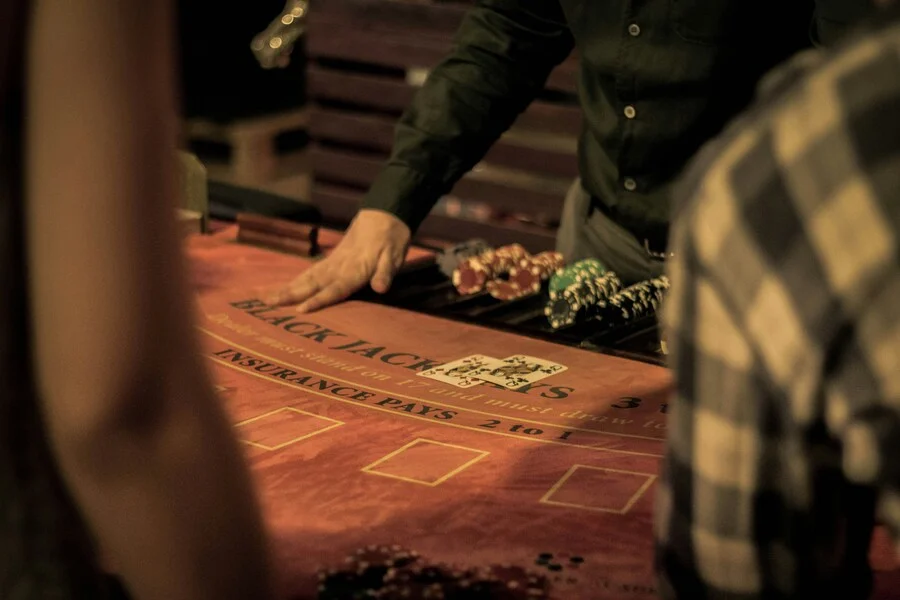
Special games of chance encompass games conducted in licensed casinos and gaming halls, which include slot machines, roulette, blackjack, and other table games. Winnings derived from special games of chance are exempt from personal income tax.
This exemption applies to winnings from both land-based and authorized online casinos operating under a Slovenian concession. This means players keep the full amount of their prize without any tax deduction.
For players seeking comprehensive information on online casinos, consulting resources such as casinoonline.si can be a helpful step in researching the operational frameworks of various platforms.
Implications for International Winnings
A growing number of players participate in gambling organized by foreign operators. The tax rules for these winnings depend on your residency status and the nature of the game.
For Slovenian Tax Residents
Slovenian tax residents are generally taxed on their worldwide income. However, the nature of the game determines how winnings are treated for personal income tax purposes:
- Winnings from Special Games (Foreign Casinos): If you win a prize from a foreign casino or an international gaming website in a game categorized as a special game of chance, that winning is still exempt from personal income tax in Slovenia.
- Winnings from Conventional Games (Foreign Lotteries/Betting): If you win a substantial prize from a foreign lottery or international betting company (a conventional game), that prize is considered taxable income. This income must be reported to FURS on your annual tax return.
The amount will be included in your personal income tax base and taxed at the progressive rates applicable to your total yearly income. It is essential to check if Slovenia has a double taxation treaty with the country of the foreign operator.
Reporting and Compliance Details

Fiscal discipline requires attention to detail. Players must ensure they comply with reporting rules, especially for foreign winnings.
The Role of Reporting
Foreign-sourced winnings from conventional games come with several procedural and legal considerations for Slovenian taxpayers:
- Taxation timeline: Once the winnings are received, the tax liability arises in the same calendar year, and the amount must be included in the annual personal income tax return within the official FURS filing deadline.
- Verification procedures: FURS may request additional proof of the payout, including screenshots of the gambling account history or bank transaction logs, and the taxpayer must be prepared to provide these upon request.
- Penalty risk for non-reporting: Failure to declare taxable foreign gambling income can result in interest charges, administrative penalties, or further inspection measures by FURS.
- Bank traceability: Withdrawals to Slovenian bank accounts from foreign operators are easily traceable, which means that undeclared winnings can be identified through standard FURS data-matching procedures involving financial institutions.
Residency and Tax ID Numbers
Residency is the primary factor that determines how gambling winnings are taxed in Slovenia, and the rules apply differently to residents and non-residents.
A Slovenian tax resident is generally liable for tax on worldwide income, which includes winnings from conventional games regardless of whether the operator is based in Slovenia or abroad. This principle applies even when the payout is processed outside the Slovenian banking system, because the decisive factor is residency rather than the location of the transaction.
A non-resident is taxed only on income that has a source in Slovenia, and gambling income earned elsewhere does not fall under Slovenian taxation rules. When a non-resident wins a prize from a conventional game in Slovenia, a 15 percent final withholding tax applies at the moment of payout, and the operator is responsible for executing the deduction.
However, FURS requires the individual to obtain a Slovenian tax identification number in advance so that the winnings can be paid out legally, the withholding can be registered in the system, and the tax obligation can be matched to the correct individual.
The tax identification number is issued through the Slovenian financial administration, and the non-resident must submit valid identification and complete the prescribed forms. Without this number, the organizer is not permitted to release the winnings, because tax cannot be withheld and reported correctly.
Staying Informed
The regulation of gambling and its taxation is constantly reviewed. Players must recognize that the legal framework may evolve, particularly with respect to the digital environment. Individuals with exceptionally high or frequent winnings might be deemed to be conducting a business activity, which would subject them to different taxation rules entirely. This professional classification depends on the scale and organization of the activity.
Anyone concerned about crossing this threshold should seek specialized tax advice to avoid misclassification. Adherence to these guidelines ensures you can enjoy your winnings without any unexpected tax liabilities.
Disclaimer: This article contains sponsored marketing content. It is intended for promotional purposes and should not be considered as an endorsement or recommendation by our website. Readers are encouraged to conduct their own research and exercise their own judgment before making any decisions based on the information provided in this article.