By Attiq Butt
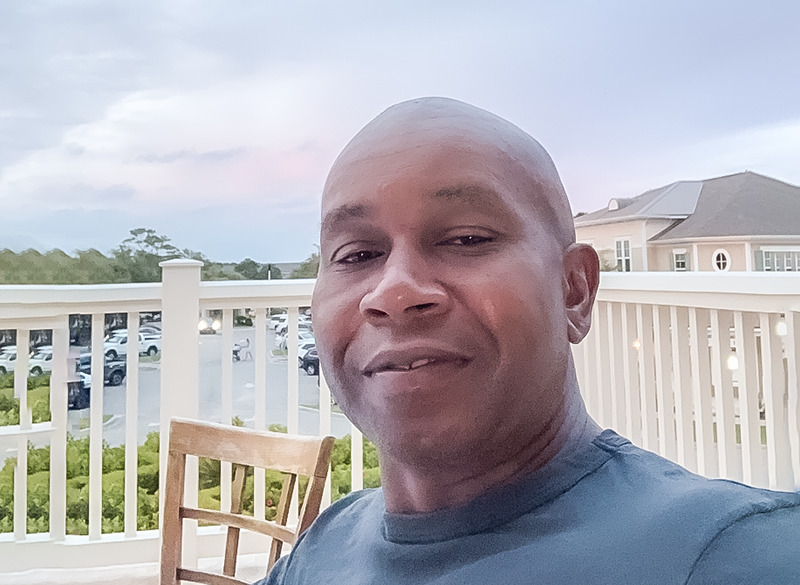
Wade G. Douglas is a renowned surgical oncologist and educator known for his extensive contributions to clinical care, academic leadership, and cancer research. Born and raised in Florida, Douglas embarked on his medical journey at Florida A&M University, where he studied Biology before obtaining his medical degree from the University of Florida College of Medicine. His career is marked by advanced fellowships in Head and Neck Surgery, Surgical Oncology, and Cellular Biology at the Roswell Park Cancer Institute, where he also conducted pivotal research in cancer biology and immunotherapy. As a Professor of Clinical Sciences and Program Director for General Surgery Residency at Florida State University College of Medicine, Wade Douglas has left an indelible mark on the medical community through his commitment to diversity, mentorship, and excellence in surgery.
This article delves into a conversation with Douglas, exploring his background, journey, and the insights he has gained throughout his illustrious career.
Early Challenges and Career Path
Can you recall a significant challenge or failure you faced and how you overcame it?
When I failed to secure a categorical position on my first attempt, I committed myself during my preliminary year by working diligently and scoring well on my training exam. This dedication earned me strong letters of recommendation, which eventually led to a categorical position.
What was the toughest decision you’ve had to make recently, and what was the outcome? Would you do anything differently today?
Recently, I faced the challenge of assisting someone close to me through an acute mental health break. The outcome is still uncertain. Reflecting on it, I would strive to have a better understanding of their mental health issues to offer more effective help. The experience was surprising and impacted my well-being significantly.
Professional Growth and Adaptability
What does your typical day look like, and how do you make it productive?
My day varies based on the setting. On an OR day, I start early, see patients in pre-op, address their queries, and discuss the procedure once more. Post-procedure, I update the families and repeat this cycle for all scheduled surgeries. On clinic days, I begin with a workout, catch up on emails, and see patients. My administrative days are split between resident education and program planning.
How do you stay informed about industry trends and emerging technologies?
The field of medicine demands continuous education. Initially, we relied on traditional sources like books, journals, and conferences. Now, digital resources such as podcasts, online assessments, and virtual meetings supplement these, providing up-to-date information on specialty trends.
Insights and Skills
What advice would you give to someone entering your field of work, trying to define their own professional identity and find long-term purpose?
Follow your passion and energy, and stay true to yourself. This authenticity will guide you in defining your professional identity and finding long-term purpose.
Tell us about a skill you taught yourself. How did you go about learning?
I taught myself certain operative maneuvers with my left hand to become a more efficient surgeon and better resident educator. It required persistent practice and a commitment to enhancing my surgical capabilities.
What do you think it is that makes you successful?
I am mission and task-oriented. Like any good soldier, once I have a clear mission, I am usually successful. This focus has been instrumental in my career development.
Influences and Perspectives
What people in your life or career have had the greatest impact on you? How?
Dr. Samuel Hunter has had a significant impact on my career. He opened the door to the medical field for me and generously gifted my first-year medical school supplies. His support was pivotal in my early career.
What is the worst job you ever had, and what did you learn from it?
Working at a telephone credit card authorization company was my least favorite job, as it involved sitting in a cubicle and answering calls all day. This experience taught me the value of pursuing a career that aligns with my interests and skills.
Throughout his career, Wade G. Douglas has exemplified resilience, dedication, and a commitment to education and mentorship. His journey is a testament to the impact of perseverance and passion in achieving professional success.
Expertise and Achievements
What do you consider your most significant achievement in your career so far?
One of my most significant achievements is contributing to the advancement of surgical oncology through both clinical practice and research. I’m particularly proud of my role in establishing the Florida Pancreas Collaborative Next-Generation Biobank, which aims to reduce disparities and improve survival rates for a diverse cohort of patients with pancreatic cancer.
How has your research contributed to the field of surgical oncology?
My research has focused on pivotal areas such as cancer biology, tumor resistance, and inflammation, providing new insights into disease mechanisms. For instance, our work on the role of cytokine responsiveness in head and neck squamous cell carcinoma has been instrumental in understanding how local inflammation can impact treatment efficacy.
Could you elaborate on your commitment to diversity and mentorship in surgical education?
Diversity and mentorship are central to my work. My co-authored study, published in the Journal of Surgical Education, analyzes the diversity and inclusion efforts within surgical program directors from 2010 to 2022. Through initiatives like this, I strive to create an inclusive environment that nurtures the next generation of surgeons.
Vision for the Future
What do you see as the next big trend or challenge in surgical oncology?
The next big trend will likely involve integrating personalized medicine approaches, utilizing genetic and molecular profiling to tailor treatments to individual patients. This personalization can significantly enhance treatment outcomes and reduce unnecessary interventions.
How do you plan to contribute to this evolving field in the coming years?
I am committed to continuing my research in personalized oncology and contributing to the development of innovative surgical techniques. Additionally, I plan to expand our biobank initiatives to facilitate broader access to diverse genetic data, which is crucial for advancing personalized medicine.
What is your long-term vision for your career and the impact you wish to have?
My long-term vision is to leave a legacy of innovation and inclusivity. I want to ensure that our advancements in surgical oncology not only improve patient outcomes but also make the field more accessible and equitable for all aspiring medical professionals.
Conclusion
Wade G. Douglas has dedicated his career to advancing surgical oncology, fostering diversity, and mentoring future surgeons. His commitment to personalized medicine and inclusive education continues to shape his dynamic contributions to the medical field. Through his ongoing research and leadership, Douglas is poised to influence the next generation of surgical advancements.
The photo in the article is provided by the company(s) mentioned in the article and used with permission.
Disclaimer: This article contains sponsored marketing content. It is intended for promotional purposes and should not be considered as an endorsement or recommendation by our website. Readers are encouraged to conduct their own research and exercise their own judgment before making any decisions based on the information provided in this article.