
Artificial intelligence has undoubtedly revolutionized the way companies handle data, automate tasks, and streamline processes. With sophisticated machine-learning models increasingly able to scan invoices, interpret financial statements, and even forecast market trends, it’s easy to assume that technology might soon replace the human element in many industries—including accounting. Yet for Ausra Sajonaite, a prominent UK-based accountancy expert and business coach, there are limits to what AI can (and should) do. As someone who has spent nearly two decades advising entrepreneurs, building her own firm, and mentoring companies across the country, Ausra believes that people remain at the heart of business success.
Ausra’s story began when she arrived in the United Kingdom from Lithuania in 2003. Initially working in cleaning jobs to make ends meet, she went on to study English, then business, and later earned several accounting qualifications in the UK, including an AAT (Association of Accounting Technicians) course in college, as well as both a bachelor’s and a master’s degree in accountancy from Brighton University. Over time, she built a thriving practice and eventually launched A.S. Biz Empire, a consultancy and coaching hub based in Oxted, England.
Her professional journey has been a story of using real-world experience, formal education, and pure determination. “I never thought I’d need a mentor,” she has said in past interviews. “But once I hired a business coach, I realized the power of having outside perspectives. It accelerated my growth tremendously.” Now, she pays it forward by coaching startups and established firms alike, helping them untangle business complexities that can’t always be solved by data alone.
The Rise of AI in Accounting
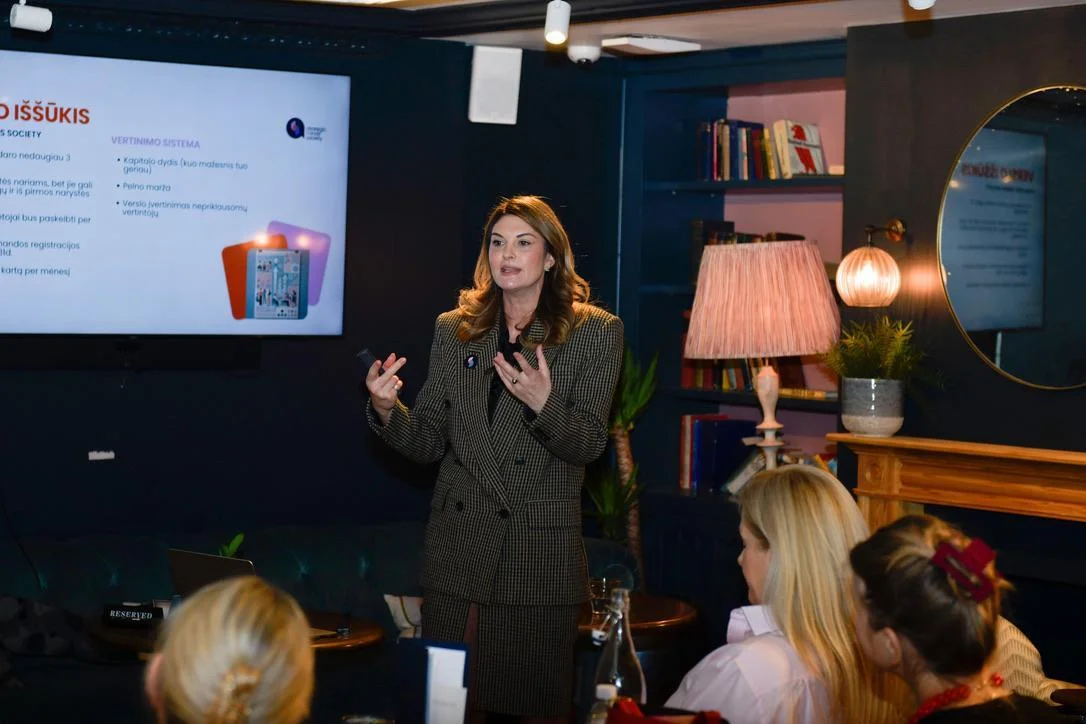
The accounting sector—like many others—has not been immune to AI’s charms. Advanced software today promises to extract data from receipts, categorize transactions automatically, and reduce the possibility of human error. Ausra acknowledges these developments as beneficial tools, but she remains cautious about handing critical financial decisions over to technology.
She explains that, while software might catch errors or streamline the number-crunching process, it lacks the nuance that comes with professional expertise. “If AI makes a mistake, you can’t blame AI—you have to take responsibility yourself,” she points out. For her, responsibility is key: a good accountant is not just a data processor, but also an advisor, a strategist, and often a problem-solver who helps clients see multiple paths forward.
Why Tech Can’t Do It All
Despite these quick advancements, AI systems still operate on patterns they have learned and the data they have been given. In contrast, human experts bring a blend of creativity, empathy, and strategic thinking to the table. Ausra highlights two crucial capabilities that, in her view, differentiate an experienced professional from any AI tool:
- Contextual Understanding. Business and finance rarely occur in a vacuum. Whether deciding between capital expenditures or navigating intricate tax codes, context is everything. A shift in market conditions, changing regulations, or even a client’s personal circumstances can alter the right course of action. “Sometimes you can treat a situation both ways,” Ausra notes. “A human can explain both outcomes and let the client choose. I don’t think AI will be able to do that.”
- Emotional Intelligence and Trust. Business people pretty often need reassurance and clarity when making high-stakes decisions about hiring, expansion, or major investments. Ausra explains that having a professional who genuinely understands a client’s vision and limitations fosters confidence. In her vision, people still like to talk about taxes in their own language, underscoring the human desire for clear communication and empathy—qualities a purely algorithmic tool can’t replicate.
Even as Ausra emphasizes the importance of human oversight, she’s not anti-tech. In fact, she uses AI-powered tools for marketing, content generation, and certain analytical tasks. She believes in mindful and healthy automation to relieve her team from repetitive chores and free them up for higher-value work—like strategic consulting and business development.
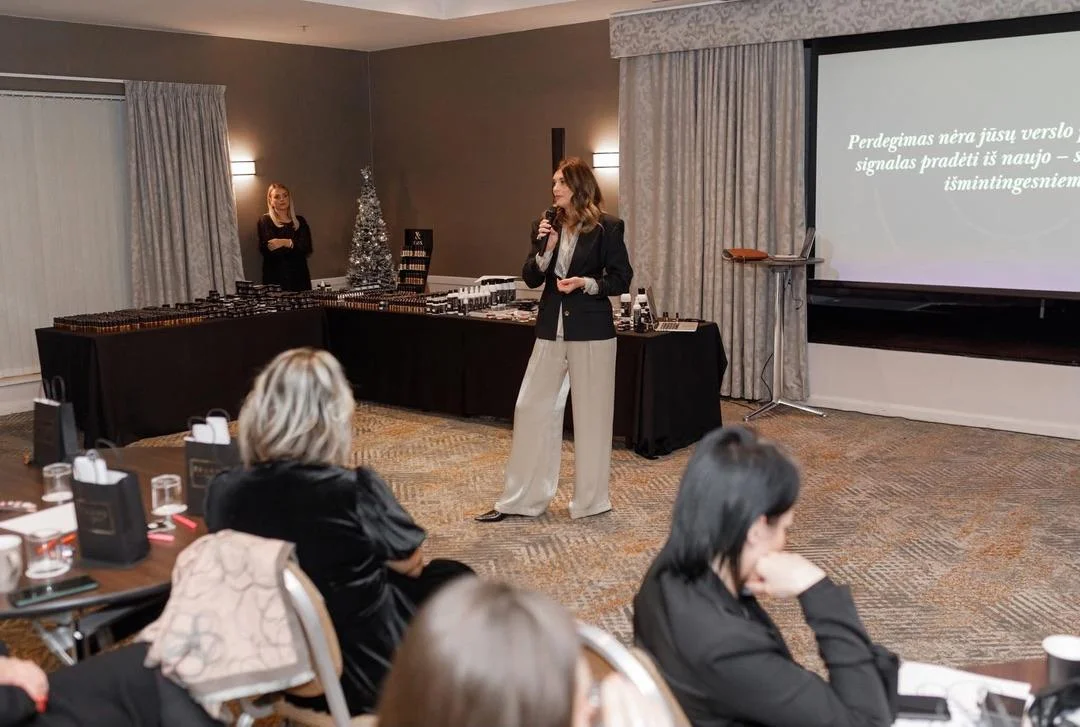
However, she warns that no matter how sophisticated software becomes, business owners can’t rely on a “plug-and-play” approach for complex tasks involving compliance, tax strategy, or cross-border issues. Too many variables can influence the outcome, from local regulations to personal risk tolerance. “At the end of the day you need an expert who can interpret and adapt solutions to your unique situation, not just feed data into a program,” she says.
As she looks to the future of accounting and business coaching, Ausra strongly believes that professional insight and human empathy are irreplaceable. In her words, it is not that tech won’t get better—of course it will. Nonetheless, machines lack emotional intelligence and abilities to consider nuances in real time.