In a rapidly evolving professional landscape, the way businesses approach mobility has become a defining factor in both efficiency and employee satisfaction. As companies grow increasingly conscious of sustainability, cost-effectiveness, and convenience, smarter mobility solutions in the workplace are no longer optional; they are essential. From managing employee travel to refining logistics, organizations that prioritize intelligent mobility stand to gain measurable advantages.
The Evolving Nature of Workplace Mobility
Traditionally, workplace mobility referred to employee commutes and company-provided vehicles. Today, however, the term encompasses a broader range of activities, including remote working infrastructure, digital travel management systems, electric vehicle integration, and fuel-efficient routing.
Companies are being called upon to balance employee flexibility with operational demands. Whether it’s hybrid working models, fleet management, or logistics optimization, each area can benefit from smarter mobility planning. This evolution reflects not only changes in technology but also shifting expectations around sustainability and work-life balance.
Efficiency Through Smarter Travel Planning
One of the key areas where smarter mobility makes a visible difference is in travel planning. For businesses that rely on vehicle travel, whether for client visits, deliveries, or service calls, streamlined systems can result in significant cost savings and efficiency improvements.
Tools such as route optimization software, digital mileage tracking, and automated expense reporting help reduce time spent on administrative tasks. Furthermore, integrating smarter technologies allows companies to respond more swiftly to changes in schedules, road conditions, or customer demands.
Smarter travel planning also reduces vehicle downtime, enhances safety, and improves the overall experience for employees who spend a large portion of their time on the road.
Embracing Sustainable Mobility Choices
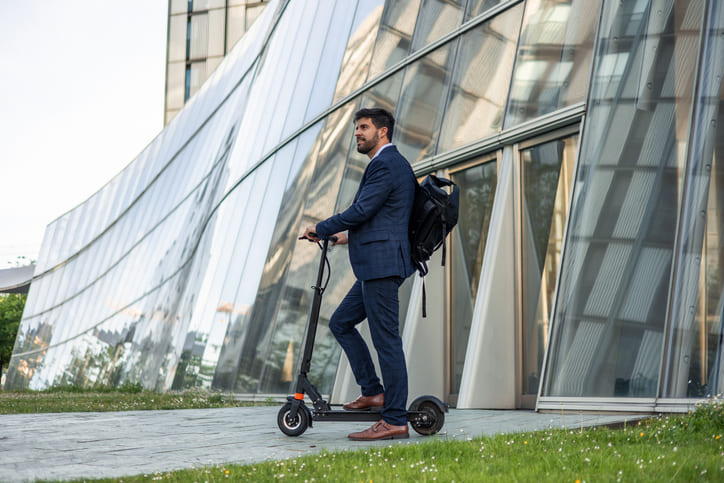
Modern mobility isn’t just about speed and convenience; it’s also about responsibility. Employees and clients alike are placing growing importance on a company’s commitment to environmental practices. This has led many organizations to consider greener travel options such as electric or hybrid vehicles, cycle-to-work schemes, and remote collaboration to cut unnecessary travel.
Providing incentives for carpooling, investing in EV charging stations, or promoting public transportation passes are just a few ways businesses can reduce their carbon footprint while promoting smarter workplace mobility. These changes not only contribute to sustainability targets but can also become key pillars in a company’s employer branding strategy.
Fuel Cost Management for Business Vehicles
For companies that rely heavily on vehicles, controlling fuel expenses is a constant priority. Unpredictable fuel prices and inefficient tracking can easily spiral into avoidable overhead costs. This is where integrating a business fuel card becomes a highly practical step.
A business fuel card simplifies the entire refueling process. It provides employees with a convenient method to purchase fuel while allowing the business to track and control fuel spending with accuracy. With itemized invoices, pre-set usage limits, and fraud protection, companies gain a deeper insight into consumption patterns, leading to more informed decisions around budgeting and fleet management.
Beyond direct savings, fuel cards can also reduce administrative strain, eliminating the need for paper receipts or manual reimbursements, while also consolidating costs into a single account.
Enhancing Employee Experience and Retention
A smarter approach to workplace mobility also benefits employees, which in turn supports retention and satisfaction. Flexible commuting options, well-maintained vehicles, and reduced out-of-pocket expenses contribute to a more supportive work environment.
By simplifying travel processes and addressing employee concerns, whether environmental, financial, or convenience-related, businesses demonstrate that they value time and well-being. When employees feel that their needs are met and their efforts are supported, they are more likely to remain engaged and committed to the company.
Conclusion
Supporting smarter mobility in the workplace is no longer a forward-thinking strategy; it’s a necessity. By embracing technology, promoting sustainable choices, and simplifying travel-related costs through tools like a business fuel card, organizations can create a more efficient, cost-effective, and employee-friendly environment. Whether it’s for a growing fleet or a handful of traveling staff, smarter mobility lays the foundation for better performance and a more resilient future.