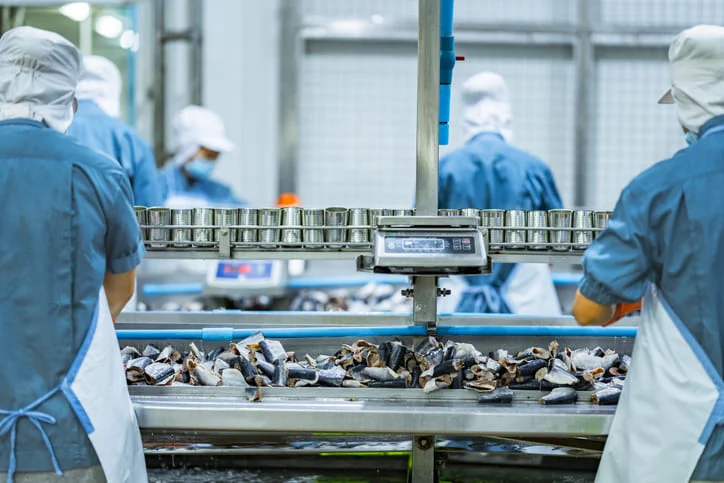
The global seafood industry is expanding at a remarkable pace. In 2023, it was valued at $159 billion, and by 2028 it is expected to surpass $200 billion. Numbers like these inevitably spark a thought in many entrepreneurs: if demand is rising, why not start a processing business myself?
It feels logical — people want more fish, markets are opening, and seafood is traded across continents as a high-value product. The challenge is obvious too: everyone says that launching a processing plant requires millions in capital and years of preparation.
That is the moment this guide addresses. Because in reality, there are ways to enter the market with lower investment and manageable risks.
What You Need to Know About Seafood Processing Before You Start
Before putting money into seafood processing, it helps to see the realities of the industry clearly. Supply is seasonal, and catches depend on quotas, weather, and even fuel costs for fishing fleets. Prices shift quickly, so margins are never fixed. Logistics add another layer of complexity, since the cold chain cannot be broken at any stage. A shipment delayed for just a few hours at port can turn into waste, leaving processors with losses instead of product.
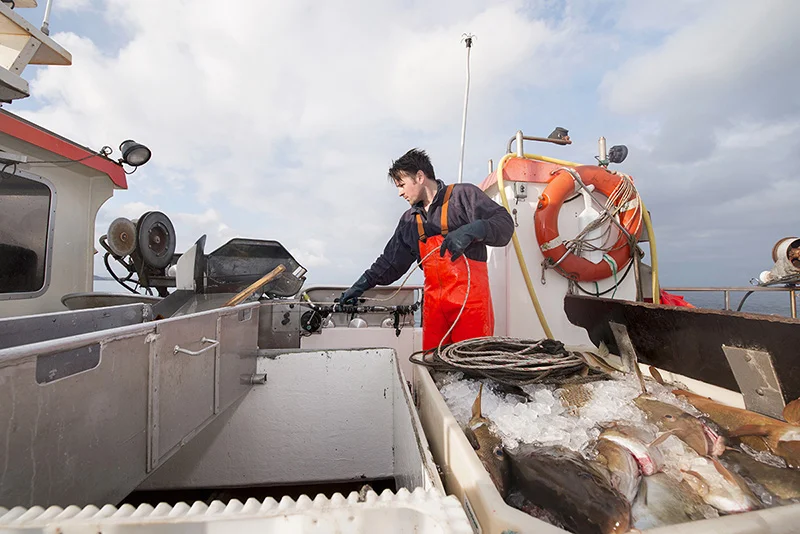
Competition is intense in large markets like the EU, the US, and Asia, where long-established companies control distribution networks and customer relationships. Smaller newcomers often succeed by carving out niches — for example, offering rapid delivery to restaurants, producing value-added products such as fillets and smoked fish, or focusing on local specialties that larger firms overlook. A case in point is several Baltic processors who turned small facilities into profitable businesses by supplying ready-to-cook herring and sprat meals directly to retail chains.
In seafood processing, strict control and regulation shape how every business must operate. HACCP systems, European food law, and FDA rules require detailed oversight of hygiene, handling, labeling, and storage, making compliance a daily practice. These rules exist because trust in seafood depends on safety. Companies like Iceland’s Brim or Norway’s Lerøy have built their reputations on rigorous standards, showing how consistent compliance not only avoids penalties but also secures access to premium export markets.
That is why before launching a seafood processing business in your region, it is worth taking time to understand how the industry actually works — with its seasonality, shifting prices, complex logistics, strong competition, and strict regulation. Without this foundation, no investment plan or equipment purchase will be safe from unexpected risks.
Starting Lean: Refurbished Equipment as a Strategy
For entrepreneurs entering seafood processing, the biggest trap is spending too much upfront on shiny new machinery. A modern filleting line can cost hundreds of thousands of euros, and the debt from such a purchase can sink a business before it even lands its first contract. There is another path — starting lean with refurbished equipment.
Refurbished machines are not “second best”. When handled by specialized companies, they are dismantled, rebuilt, tested, and certified to perform with nearly the same reliability as new units. The difference is cost: operators can get the same core functions — filleting, heading, grading, freezing — at a fraction of the original price. With proper servicing, these machines can run for years, generating revenue long before there’s a need for major upgrades.
A good example comes from Norway. Since 1998, NorMar Trading AS has built a global business around supplying refurbished fish processing machines. Their catalog ranges from filleting and heading systems to graders and plate freezers, all delivered “ready-to-run.” Each unit is restored to working condition, spare parts are provided, and ongoing service is available.
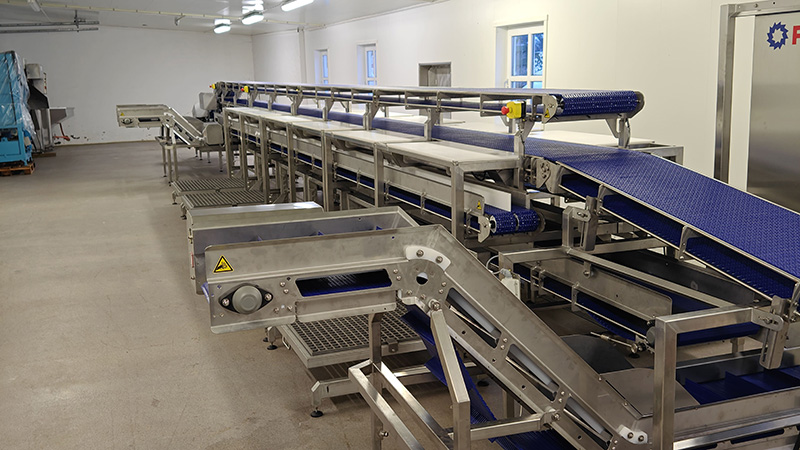
Fish processing businesses from Europe to Asia have used NorMar’s equipment to launch production quickly, win contracts, and validate their business model — without risking all their capital on brand-new lines.
This approach can make all the difference for newcomers. Instead of tying up resources in machinery, they can focus on building supplier relationships, investing in cold storage, and securing reliable buyers. When demand grows, the company is already standing on solid ground — ready to upgrade step by step, in line with real business needs.
From Basics to Growth: Case Studies in Scaling Up
Getting a processing line up and running is only the beginning. The real test comes when demand grows and volumes increase. At this stage, companies that succeed are the ones that invest carefully, step by step, in technology that removes bottlenecks and pays for itself through efficiency.
Take the Icelandic company Vísir. When their volumes began to climb, they partnered with Marel to install robotic packing and automated box-handling systems. The result was not just faster throughput but the ability to move more product without hiring additional staff — a crucial saving in a country where labor costs are high.
In Norway, salmon producer Nova Sea turned to BAADER for precision filleting and portioning equipment. The investment allowed them to maximize yield from every fish, ensuring that no valuable product was lost in processing. This focus on efficiency directly strengthened their margins in a competitive global salmon market.
Across the Baltics, PERUZA has been supplying small and mid-sized processors with semi-automated feeding and packaging solutions. These companies often start lean, and PERUZA’s systems help them boost throughput and improve traceability while keeping capital costs under control.
The lesson from these examples is clear. Begin with what you can afford, often refurbished machines from trusted suppliers. Build a market presence, and when growth creates pressure points, invest in targeted automation. Expansion works best when it follows real business needs rather than draining resources upfront.
Building Market Access and Trust
Machinery will keep the factory running, but it will not bring customers on its own. Success in seafood processing depends just as much on visibility and credibility as on technical capacity. Buyers — whether wholesalers, retailers, or restaurants — want clear proof of what they are getting. Certificates of origin, HACCP compliance, and sustainability labels are no longer optional paperwork, they are what open the door to serious contracts.
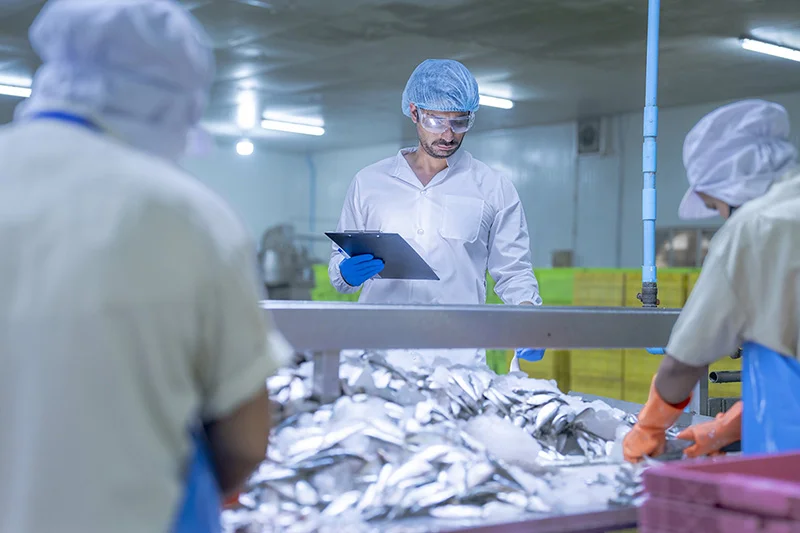
Think of how Norwegian salmon producers built their reputation in Europe. It was not only about freshness but also about transparency in farming practices and traceability systems that allowed a distributor in Paris to see exactly where a shipment came from. That level of confidence translates into repeat business and the ability to command higher prices.
For a new processor, a professional website is often the first handshake with the market. Showing detailed product specifications, clear hygiene standards, and sustainability commitments builds trust before a single meeting takes place. Digital presence also makes it possible to grow beyond the local port or city. LinkedIn is now a key channel for B2B seafood deals, while direct online sales platforms give even small companies a way to reach buyers abroad.
In short, market access is built step by step: prove quality, make it visible, and let digital channels carry your story farther than traditional sales networks ever could.
The photos in the article are provided by the company(s) mentioned in the article and are used with permission.