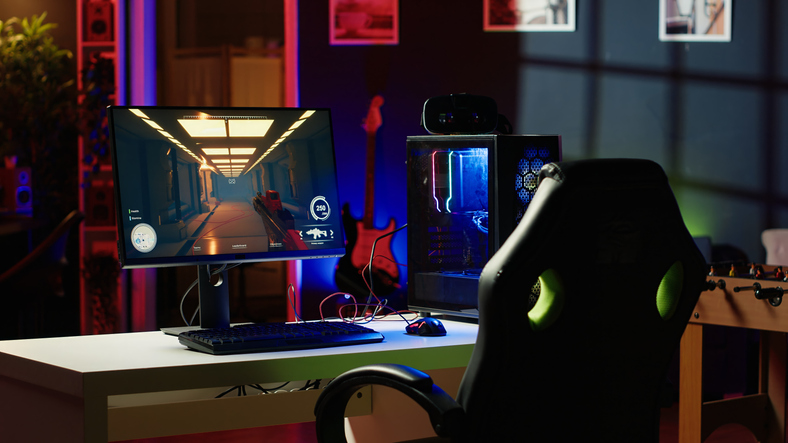
Many people believe that building a gaming rig is all about grabbing the most powerful parts available right now. That way of thinking usually leads to overspending or picking components that burn out faster than expected. When you start searching for a gaming PC 2000, the goal should be different: find the right mix of performance, durability, and upgrade potential. Spending that amount of money can set you up with a system that doesn’t just crush today’s games but also keeps up with tomorrow’s releases without collapsing under the pressure.
A $2000 budget is more than enough to build something serious, but only if you know how to divide that money. The secret lies in balance — too much on one piece means too little left for the others. If the graphics card eats half the budget, you might end up with a weak power supply or a case that overheats. And when heat takes over, the lifespan of the entire build shrinks. That’s why careful planning is more important than impulse buying.
Picking the Right Processor
The processor is the brain of the PC, but dropping all your cash here makes no sense. A strong mid-to-high tier CPU will give you plenty of headroom for both games and multitasking. Don’t chase the absolute flagship unless you also plan on heavy video editing or software that thrives on cores. For most players, chips in the upper gaming range are more than enough. They’ll also avoid throttling your GPU, which is where most of the gaming horsepower lives.
A balanced processor is what keeps your system feeling quick three or four years down the line. While the GPU will usually age faster, a solid CPU makes sure the rest of the machine doesn’t feel sluggish in everyday use. Remember: a gaming PC should last through more than one generation of graphics cards, and the processor is what lets you keep upgrading without rebuilding the whole tower.
Choosing the Graphics Card Wisely
Here’s where people usually get carried away. A $2000 build should absolutely include a top-level GPU, but there’s no reason to buy one that drives the price so high you cut corners everywhere else. You want a card that can handle 1440p ultra settings today and still hold its own in three or four years. Going too far up the ladder risks wasting money that could be spent on storage, cooling, or a better monitor.
The right GPU should match the CPU so neither is left waiting for the other. A mismatch between them is like putting a race car engine into a frame that can’t handle the speed. The right card, though, turns the whole system into something that feels cohesive and strong. That’s how you get both performance and endurance.
Storage, Memory, and Other Essentials
Power alone doesn’t keep a gaming PC alive. Fast NVMe drives make loading screens vanish, and with the size of today’s games, a single terabyte fills up faster than you’d expect. Adding a secondary drive for bulk storage avoids constant deleting. As for RAM, 32 GB has become the sweet spot for gaming with background apps, giving space for both big titles and future updates.
Other essentials are easy to overlook. A solid motherboard with quality power delivery extends component life. A dependable power supply with headroom stops crashes and protects your gear from sudden spikes. And the case — often chosen just for looks — matters more than most admit. Good airflow keeps temperatures low, which directly adds years to your build.
Why Brands Like Hyper Cyber Matter
While building your own machine is satisfying, not everyone has the time or patience. Companies like Hyper Cyber specialize in designing high-performance systems where every component is carefully matched. That means you can spend your $2000 knowing the parts weren’t thrown together randomly. Their focus on balanced builds gives players both raw power and the longevity that makes the investment worth it.
If you’re not interested in tinkering or hunting down individual parts, going with a trusted builder can save you frustration. It’s like buying peace of mind with the confidence that your machine will still be relevant several years later.
Final Thoughts
Buying a $2000 gaming PC isn’t just about filling a cart with the biggest numbers. It’s about smart choices that let your machine stay powerful long after the initial excitement fades. A balanced processor, a capable but not overpriced GPU, fast storage, reliable memory, and thoughtful extras like cooling and airflow — these are what keep a system alive.
With patience and planning, that budget doesn’t just buy you today’s victories — it buys a future where your PC still feels sharp. Whether you build it yourself or look toward specialists like Hyper Cyber, the key is the same: balance. That’s what turns a two-thousand-dollar purchase into a machine that lasts.
Disclaimer: This article contains sponsored marketing content. It is intended for promotional purposes and should not be considered as an endorsement or recommendation by our website. Readers are encouraged to conduct their own research and exercise their own judgment before making any decisions based on the information provided in this article.