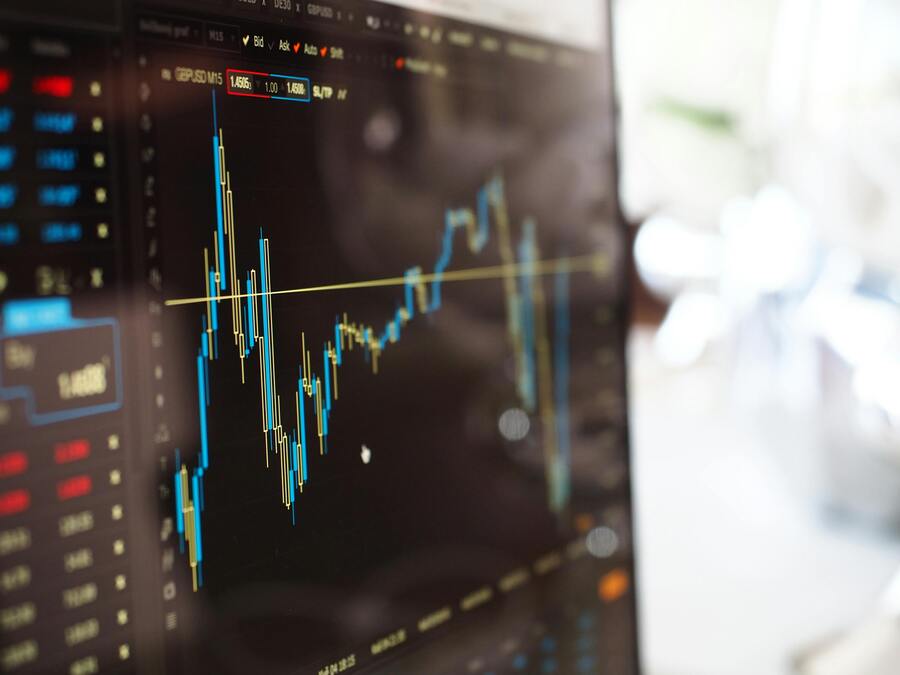
In recent years, European capital markets have increasingly turned to advanced technologies to manage complexity, enhance transparency, and improve decision-making. Among these technologies, big data analytics stands out as one of the most transformative forces. From high-frequency trading to regulatory compliance, the ability to analyze massive amounts of data in real time has become essential. Many firms now rely on trade monitoring software to meet regulatory expectations while managing market risks, underscoring the growing role of analytics in shaping the future of finance.
The Rise of Big Data in European Markets
The expansion of big data in finance is driven by the sheer volume of transactions that occur daily across European exchanges. Every second, millions of data points are generated, ranging from price movements to order book changes and investor behavior patterns. Traditionally, firms struggled to capture and analyze this information effectively, leading to inefficiencies and blind spots in risk assessment.
Big data analytics has changed this landscape by providing tools that aggregate and analyze data at unprecedented speed and scale. Banks, asset managers, and trading firms now use predictive models and artificial intelligence to forecast market movements and detect anomalies. This capability has not only improved trading strategies but also enhanced compliance with Europe’s stringent regulatory frameworks, such as MiFID II and the Market Abuse Regulation (MAR).
Rewards of Embracing Big Data Analytics
One of the most significant advantages of big data analytics is its ability to uncover insights that were previously inaccessible. Market participants can identify trends, correlations, and risk exposures with greater precision. For example, liquidity patterns that might have gone unnoticed in the past can now inform more effective execution strategies and informed portfolio management decisions.
Another reward lies in compliance and risk reduction. Regulators in Europe have become increasingly strict in enforcing transparency and accountability. Big data analytics enables firms to monitor trades, communications, and patterns of behavior in real-time. This reduces the risk of market abuse, insider trading, and other forms of misconduct that could result in heavy fines and reputational damage. The proactive use of analytics provides not only operational efficiency but also a strong defense against regulatory scrutiny.
Supporting Regulatory Compliance Across Borders
European financial markets are diverse, spanning multiple countries with different legal systems, but they are increasingly harmonized by regulations. This complexity creates challenges for firms operating across borders. Big data analytics enables centralized monitoring and reporting, allowing firms to consistently meet regulatory obligations across different jurisdictions.
Advanced systems can integrate feeds from various exchanges and trading venues, ensuring that compliance teams have a unified view of trading activity. By leveraging these technologies, firms can demonstrate a commitment to transparency and accountability, which regulators view as a cornerstone of fair and stable markets. The ability to produce detailed audit trails further strengthens trust among stakeholders, from investors to policymakers.
The Risks and Limitations of Big Data Analytics
While the rewards are substantial, big data analytics is not without its risks. One of the key concerns is data quality. Poorly curated or incomplete data can lead to misleading results, compromising decision-making and exposing firms to unforeseen risks. The “garbage in, garbage out” principle applies strongly in this context, making data governance a critical priority.
Another challenge lies in overreliance on algorithms and models. While machine learning tools can process vast amounts of information quickly, they may also miss nuances or fail under unusual market conditions. Black box models, in particular, can raise concerns about explainability, a requirement that regulators are increasingly demanding. In periods of market stress, reliance on opaque systems could amplify rather than mitigate risk.
Cybersecurity and Privacy Considerations
The collection and analysis of massive datasets also expose firms to cybersecurity vulnerabilities. European markets are frequent targets for cybercriminals seeking to exploit sensitive financial information. Ensuring that big data platforms are secure and resilient is essential to protect both firms and their clients.
Privacy is another pressing issue. With the introduction of GDPR, firms must navigate strict rules governing the collection, storage, and use of personal data. Big data analytics must therefore balance innovation with compliance, ensuring that customer information is handled responsibly and ethically. Firms that fail to address these challenges risk both legal penalties and a loss of client trust.
Balancing Innovation with Human Oversight
Ultimately, big data analytics should not replace human judgment but rather enhance it. Traders, compliance officers, and risk managers need to interpret the outputs of analytical systems in light of broader market contexts and strategic goals. European firms are learning that the most effective approach combines cutting-edge analytics with experienced professionals who can exercise critical thinking and oversight.
As financial markets continue to evolve, the integration of human expertise with technological innovation will remain central to success. The firms that strike this balance will be better equipped to manage risks, capitalize on opportunities, and maintain resilience in an increasingly complex environment.
Conclusion
Big data analytics has become a cornerstone of European capital markets, offering clear rewards in terms of efficiency, compliance, and insight. At the same time, the risks associated with data quality, model transparency, and cybersecurity cannot be ignored. As regulators push for greater accountability, firms that adopt advanced systems responsibly will find themselves better positioned for long-term success. The future of trading and compliance in Europe will not be defined solely by technology but by the ability to use these tools wisely and ethically.