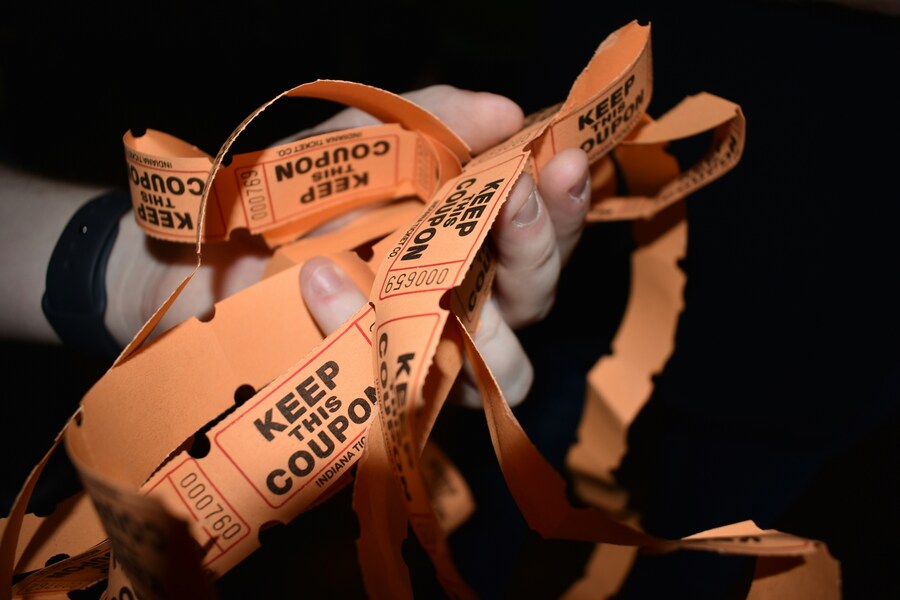
Everyone gets excited about coupons. Those who don’t are usually the ones who have never tried using them. But it’s a fact that discounts make people feel like they are being rewarded. However, this is no longer the case these days. These days, discounts just feel like part of the background noise of online shopping.
The thing that makes people really click, stay, and return? It’s actually when brands offer more than just price cuts. What I’m talking about is when brands make transactions feel less transactional but more like an entirely unique experience. How does this translate, exactly?
Take gamification and its smooth transition into the e-commerce mainstream. These days, flash sales or promo codes can only go so far as to make people notice them for a bit and then ignore them as they continue scrolling. These days, brands need to hook customers using challenges, points, unlocks, and rewards that actually feel like small victories.
Platforms like GG Chest are showing how this shift works in practice: turning rewards into an interactive experience that looks and feels more like a game than just an ordinary old coupon.
Why Gamification Works on Us
Almost all people love progress. Nothing beats the gratification of moving up a level, earning a badge, or cracking open a surprise reward. This triggers the same kind of satisfaction you get when you complete a daily streak on your fitness app or open a mystery box in a game. This leads to one of the best kinds of dopamine hit you could ever feel.
In e-commerce, this changes everything. Instead of customers treating a purchase like a one-off event, gamified incentives pull them back in. They don’t just buy once; they check in again and again because there’s a system to play with. That repeat engagement is gold for businesses. It turns shoppers from bargain-hunters into participants in a cycle of progress and reward.
The Shift from Temporary Deals to Ongoing Play
Discounts are temporary. They spike sales in the short term but often cut into profits and train customers to wait for the next markdown. Gamification flips the script. Suddenly, the reward isn’t just about getting a lower price—it’s about engaging with the brand repeatedly.
Imagine visiting an online store where every purchase moves you up a tier, every log-in lets you unlock a digital chest, or every review you leave earns you bonus points. These mechanics don’t erode value; they build habits. And once customers form habits, they’re far less likely to drift away to a competitor just because of a small discount.
The Big Names Already Playing the Game
If you think that this is just all talk, just take a look at the brands that lead the pack. Starbucks has long used gamified loyalty to keep their customers coming back time after time. Amazon, on the other hand, hands out achievement badges in its Kindle reading community so that they can encourage daily use.
Even retailers experimenting with “spin-the-wheel” discount games at checkout know that the thrill of winning despite knowing that the reward is modest is something that hooks customers more effectively as opposed to static discounts.
Transparency and Trust Still Matter
Yes, not all gamification is good gamification. Once customers sense that a system is rigged or that rewards are impossible to achieve, the entire strategy suddenly backfires. This is why transparency is key. People need to understand what they are working toward and feel confident that all the effort they put in will be worth it in the end.
In Europe, transparency is a line that brands can’t ever afford to cross. Data privacy and consumer protection are tightly regulated, which means that a lack of transparency will have severe negative consequences. Plus, brands would surely lose the very trust that turns casual buyers into loyal consumers.
Engagement Is the New Currency
Gamification is truly all about growth. The more engaged consumers are, the more valuable they become to a brand. E-commerce companies that have learned to build meaningful and game-like experiences aren’t just giving out rewards; they are also creating loops of interaction that guarantee a deeper loyalty from their customers and extend customer lifetime value.
Sure, discounts will not totally disappear. However, their role is obviously shrinking. The businesses that win the next chapter of e-commerce are those that know how to turn a purchase into progress, and then progress into habit.
Disclaimer: This article contains sponsored marketing content. It is intended for promotional purposes and should not be considered as an endorsement or recommendation by our website. Readers are encouraged to conduct their own research and exercise their own judgment before making any decisions based on the information provided in this article.