
Your appliance breaks and you need it fixed yesterday. You’re wondering how long appliance repair actually takes. Can someone come today? Will parts take weeks? How long will you be without your fridge or washing machine?
Understanding realistic timelines helps you plan better. You’ll know what’s normal versus what’s unreasonably slow. You can make informed decisions about repairs instead of stressing about every delay.
This guide breaks down typical timeframes for appliance repairs from first call to finished work, what affects these timelines, and how to manage the waiting period.
Getting That First Appointment
The first step is getting a technician to your home. This timeline varies significantly based on several factors, and knowing what to expect helps reduce frustration.
Same Day Service
Some services offer same day appointments for urgent situations. Your fridge completely dead or washing machine flooding creates genuine urgency. Many companies accommodate emergency calls, especially if you call early in the morning.
Same day service typically costs extra though. Emergency rates run 20 to 50 percent higher than standard appointments. You’re paying for priority scheduling. Not all problems qualify either. A slightly warm fridge doesn’t need emergency response. A completely dead fridge spoiling food does.
Geographic location affects same day availability too. Urban areas with multiple technicians accommodate more same day requests. Rural areas have fewer technicians and longer response times. It’s just the reality of service coverage.
Standard Scheduling
Non-urgent repairs typically schedule within one to five business days. This represents normal booking timelines for most services, and it’s actually reasonable when you think about efficient routing and existing appointments.
Peak seasons affect scheduling significantly. Summer brings air conditioning demands. Winter increases heating calls. If you need service from a heating and cooling repair company during extreme weather, expect longer waits. Everyone’s systems fail when they’re working hardest.
Your flexibility impacts scheduling speed too. If you’re available anytime, services find slots easier. Restricted availability extends wait times because they’re trying to route efficiently.
Services with good reputations often book further out. Popular companies with loyal customers stay busy. This is actually a positive sign about quality, even though waiting feels frustrating.
How Long Diagnosis Actually Takes
Once a technician arrives, diagnosis takes time before actual repairs begin. The complexity of your problem determines how long this phase lasts.
Quick Diagnosis (15 to 30 Minutes)
Obvious problems diagnose quickly. A visibly broken belt, burnt-out element, or failed door seal are immediately apparent. Technicians identify these rapidly because they’ve seen them hundreds of times.
Error codes on modern appliances speed diagnosis too. Electronic systems display specific codes indicating exact problems. Technicians reference code meanings and identify failures without extensive testing.
Moderate Diagnosis (30 to 60 Minutes)
Multiple possible causes require systematic testing. When symptoms could indicate several different failures, technicians work methodically through possibilities until narrowing down actual problems.
Intermittent problems take longer to diagnose because issues that come and go require running appliances through multiple cycles. Technicians need to observe failures actually occurring, which requires patience and time.
Complex Diagnosis (1 to 2 Hours)
Electrical problems requiring circuit testing take significant time. Technicians test voltage, continuity, and resistance at multiple points. Systematic electrical diagnosis is methodical work that can’t be rushed.
Control board issues need thorough testing too. Modern electronic controls interact with multiple sensors and components. Determining whether boards themselves failed or other components cause symptoms requires careful, patient testing.
The Parts Waiting Game
After diagnosis, getting necessary parts determines repair timeline significantly. This is often the longest part of the entire process and the most frustrating for homeowners.
Parts Available Immediately
Technicians carrying common parts complete repairs the same visit. Standard components like belts, door seals, heating elements, and thermostats are often stocked on their trucks. Services specializing in specific brands stock more relevant parts. If you use washing machine repairs in Melbourne services focusing on major brands, they’ll carry more parts for those brands.
Simple repairs with stocked parts finish before the technician leaves. Your appliance works again immediately. This is ideal but not always possible, especially with less common models or unusual failures.
Local Supplier Parts (1 to 3 Days)
Parts not on trucks but available locally take a few days to acquire. Technicians order from local suppliers, and parts typically arrive next business day. Common brands have good local parts availability because major manufacturers maintain supplier networks.
Technicians return to complete repairs once parts arrive. Installation often takes less time than original diagnosis. You’ll have your appliance working within a few days in most cases.
Manufacturer Direct (5 to 10 Days)
Specialty parts come directly from manufacturers. Less common components or specific model parts require manufacturer orders, and shipping from warehouses takes business days. Standard shipping runs five to seven business days typically.
Rush shipping options exist but cost extra. If you need parts urgently, expedited shipping cuts time but increases costs. Ask about rush options if waiting is difficult, but be prepared to pay for the privilege.
Discontinued Parts (2 Weeks or More)
Old appliances need discontinued parts sometimes. Manufacturers stop producing parts for models over 10 years old. Finding these parts takes detective work that extends timelines significantly.
Technicians search used parts suppliers or aftermarket manufacturers. Locating rare parts might take weeks. Some parts simply aren’t available anymore, which makes repairs impossible. At this point, replacement becomes your only realistic option.
Actual Repair Time
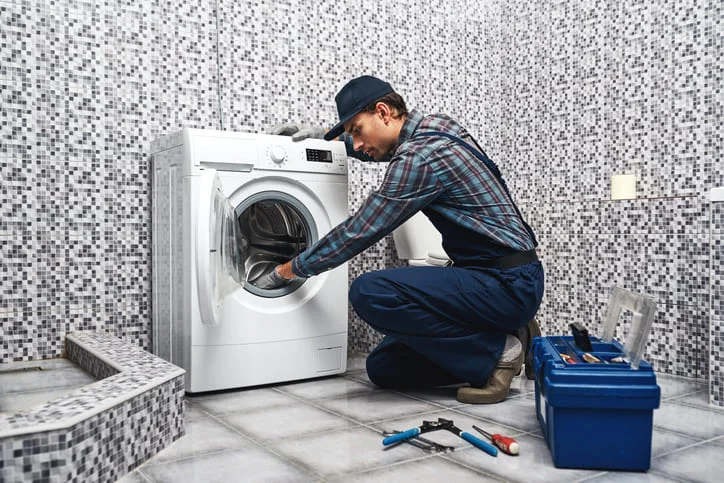
Once technicians have parts, actual repair duration depends on complexity. This is usually the quickest part of the entire process.
Quick Repairs (15 to 45 Minutes)
Simple component replacements finish quickly. Door seals, heating elements, thermostats, and belts typically take under an hour to replace because they’re designed for relatively easy access.
Experienced technicians work efficiently because they’ve performed these repairs hundreds of times. Testing after repair adds a few minutes while technicians verify repairs worked correctly.
Moderate Repairs (1 to 2 Hours)
Repairs requiring partial disassembly take longer. Accessing internal components means removing panels, disconnecting systems, and careful reassembly. Multiple component repairs extend duration too because each part adds time.
Calibration or adjustment after installation adds time as well. Some repairs require setting parameters or adjusting alignments. Proper calibration ensures correct operation and prevents future problems.
Complex Repairs (2 to 4 Hours)
Major component replacements like compressors or motors take hours. These involve refrigerant recovery, extensive disassembly, precise installation, and system recharging. Multiple system repairs require sequential work that can’t be rushed.
Testing complex repairs thoroughly adds time because technicians can’t just swap parts and leave. Extensive testing ensures everything works correctly together.
What Slows Things Down
Certain situations extend timelines beyond typical ranges, and understanding these helps set realistic expectations.
Peak seasons create significant delays. Summer overwhelms services with air conditioning and refrigeration repairs. Winter brings heating system and dryer repair demands. Holiday periods affect technician availability too as services run limited schedules around major holidays.
Warranty or insurance claims add time because manufacturer warranty repairs require approval processes. Technicians diagnose problems, submit claims, await approvals, then complete repairs. Each step adds days or even weeks.
Spring and autumn offer better scheduling if your repair isn’t urgent. Shoulder seasons between peak demands mean faster service and better technician availability.
How to Speed Things Up
You can’t control all timeline factors but some things help accelerate processes and get your appliance working sooner.
Be flexible with scheduling. Offering wide availability gives services more options for fitting you in. Accept first available appointments even if slightly inconvenient. Allow services to call if earlier slots open from cancellations.
Provide detailed information upfront when booking. Share your appliance brand, model, age, and specific symptoms. Mention error codes if displayed. This helps services prepare properly and might let them bring likely parts.
Choose services strategically too. Larger services with multiple technicians offer better availability. Services specializing in your appliance brand stock more parts and complete repairs faster.
Managing Without Your Appliance
While waiting for repairs, you need practical strategies for managing without essential appliances.
For refrigerator failures, use coolers with ice for essential items. Buy groceries in small quantities and shop more frequently. Consider temporary mini-fridge rental if available in your area.
For washing machine problems, use laundromats temporarily. Hand wash small urgent items. Ask friends or family if you can do loads at their homes during the repair wait.
For dryer breakdowns, line dry clothes when weather permits. Use indoor drying racks for small loads. Visit laundromats just for drying even if you wash at home.
Dishwasher issues are perhaps easiest to manage. Hand washing works temporarily, though it’s inconvenient. Use disposable plates if necessary to reduce hassle during repair waits.
What’s Actually Reasonable
Understanding normal timelines helps you identify when delays become unreasonable and when you might need to find different services.
One to five business days for initial appointments is normal for non-emergencies. Same visit repairs when parts are available should happen. Three to ten business days total for repairs with locally available parts is reasonable. Two to three weeks for repairs requiring manufacturer parts makes sense given shipping realities.
However, weeks to get initial appointments without explanation signals problems. Multiple rescheduled appointments without good reasons indicates disorganization. No communication about parts delays creates unnecessary frustration. Services should update you regularly about parts status and scheduling.
The Bottomline
Appliance repair timelines depend on many factors you can’t control. Parts availability, technician schedules, repair complexity, and seasonal demand all affect how long you’ll wait. Emergency repairs happen faster but cost more. Standard repairs take days or weeks depending on parts and scheduling.
The key is setting realistic expectations and communicating clearly with repair services. Ask questions about expected timelines. Get updates on parts and scheduling. Plan for being without your appliance for days at minimum, but hope for faster resolution.
Choose services that balance speed with quality. The fastest service isn’t always best. Quality repairs that take slightly longer beat rushed poor work that fails again in weeks. Understanding what’s normal versus what indicates problems with services helps you make better decisions and reduces frustration while you wait for your appliances to work again.