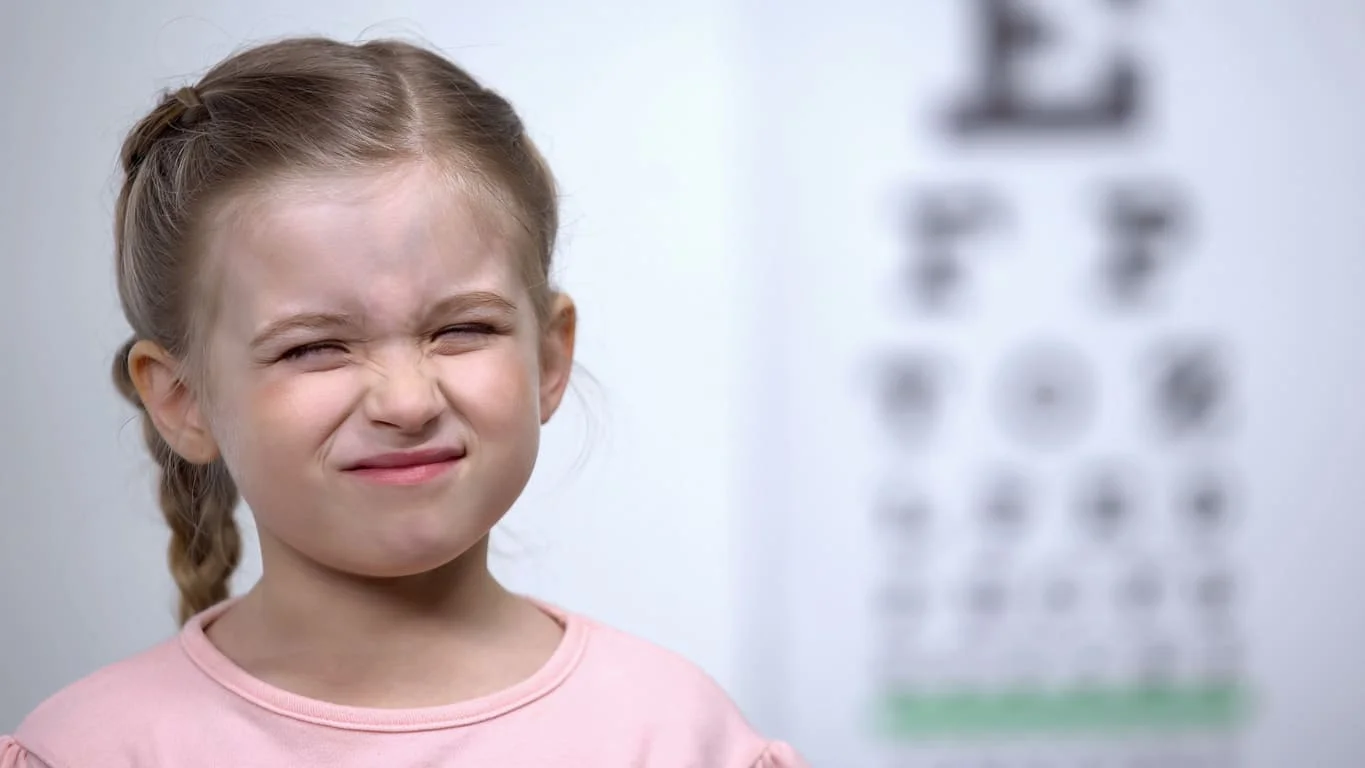
Imagine going through your entire childhood viewing the world as an indistinct, blurry haze, unable to read what is on a whiteboard, recognise a friendly face across the room, or navigate a classroom without bumping into furniture. For thousands of neurodivergent children in the UK, this is not a hypothetical scenario. It is a daily reality.
Recently, the national disability charity SeeAbility captured public attention by setting an official Guinness World Record in London. Beside Tower Bridge, artists Luke Embden and Alex the Doodler illustrated a live mural containing portraits of 800 people over 48 hours. Each face on that wall represented 1,000 people with learning disabilities or autism across the UK who live with sight problems. The event highlighted a stark truth: tens of thousands of neurodivergent children are missing out on fundamental eye care that most people take for granted.
The Shocking Scale of Unmet Vision Needs
Rigorous research paints a concerning picture of the visual health of children with special educational needs. Studies consistently show that children with learning disabilities are 28 times more likely to develop a serious sight problem than their neurotypical peers. Despite this heightened risk, figures from SeeAbility reveal that more than 40% of pupils in special schools have never had a sight test.
When a neurodivergent child lives with uncorrected vision, the consequences reach far beyond physical blurriness. Unable to explain that their world is out of focus, many children experience intense frustration and anxiety, which frequently manifests as behavioural distress or withdrawal. In the classroom, untreated visual impairments severely hinder learning, reading comprehension, and physical coordination.
Teachers and carers can easily misinterpret these struggles as symptoms of autism or a learning disability, leaving the true cause unaddressed. Beyond academics, poor vision isolates children socially, making it difficult to read facial expressions or participate in play. Simple tasks like navigating crowded spaces become overwhelming sensory hurdles. By failing to provide basic sight tests, society denies these young people the chance to fully engage with their environment, eroding their confidence, independence, and overall quality of life.
The Financial Impact: Long-Term Educational and NHS Costs
Failing to diagnose sight issues early in neurodivergent children carries a heavy economic toll. Uncorrected vision problems are frequently misattributed to behavioural or cognitive challenges, leading to unnecessary and costly Special Educational Needs and Disabilities (SEND) interventions. When a child struggles to see, their ability to engage with classroom materials drops, exacerbating learning delays and straining school resources.
The long-term financial fallout extends directly into the NHS and social care budgets. Unaddressed visual impairments in childhood can cause permanent, irreversible sight loss such as amblyopia, increasing lifelong reliance on community support services and disability benefits. Investing in accessible, specialised eye tests costs the health service a fraction of the price compared to decades of avoidable social care, specialised educational support, and late-stage medical treatments.
Barriers Beyond the High Street Door
Why are so many neurodivergent children slipping through the net? The answers lie in how society structures primary eye care. A trip to a standard high street optician presents an array of sensory and procedural obstacles for an autistic child or someone with profound learning difficulties.
Commercial practice settings often feature bright fluorescent lighting, bustling waiting areas, and tight appointment schedules. During the test itself, traditional methods rely heavily on the patient sitting still, looking into unfamiliar diagnostic equipment, and reading rows of letters on a chart. For a non-verbal child or someone who experiences severe sensory overload, this environment can trigger immense anxiety and distress.
Furthermore, a widespread misconception persists that an individual must be able to speak, read, or recognise letters to undergo an eye test. In truth, specialist optometrists and orthoptists use objective diagnostic tools that assess visual acuity, eye alignment, and refractive error without requiring a single spoken word from the patient. However, because many parents remain unaware of these techniques, they avoid booking appointments, assuming the process will be impossible for their child.
Taking Eye Care to Where Children Thrive
To overcome these structural hurdles, experts advocate for a model that meets children where they feel safe: inside their own schools. SeeAbility pioneered this approach through its Special Schools Eye Care Service.
Under this model, multidisciplinary teams of eye care professionals bring specialised testing equipment directly into special school settings. The clinicians conduct examinations in familiar classrooms, taking as much time as necessary to build trust with each pupil. They dispense and fit spectacles on-site, selecting durable frames designed for unique facial structures or sensory preferences.
The results of this targeted approach speak for themselves. In pilot evaluations, nearly half of the children examined in special schools required vision correction or ongoing clinical monitoring. Moreover, clinicians share clear, easy-to-read vision reports with parents and teachers. This ensures that educators understand precisely how a child sees, allowing them to adjust classroom lighting, enlarge printed materials, or place the child in the optimal seating position.
Recognising the overwhelming clinical evidence, NHS England committed to rolling out a fully funded NHS Special School Eye Care Service. Local Integrated Care Boards across the country are tasked with implementing this dedicated service. Moving eye care into educational environments eliminates attendance barriers, reduces hospital appointments, and saves families from exhausting travel.
Reaching Families and Mobilising Support
Establishing a clinical service is only half the battle; ensuring that families and educators actually utilise it requires clear communication and active engagement. This is where strategic outreach becomes essential.
Modern healthcare providers and charitable organisations increasingly rely on ethical ophthalmology marketing to raise awareness among diverse communities. By crafting accessible messaging, hosting informational webinars, and producing straightforward guides, providers can reassure parents that eye tests are gentle, adaptable, and available within educational settings.
Collaborating with specialised communication partners can make a substantial difference in public education campaigns. Working alongside a talented medical marketing agency in Manchester allows health organisations to design targeted digital campaigns that speak directly to local support groups, special educational needs coordinators, and family networks. When educational materials clearly demonstrate how objective sight tests work, parents gain the confidence to seek care for their children.
Clear public communication also plays a pivotal role in driving policy change. Campaign events like the Guinness World Record installation generate widespread media coverage, placing pressure on health commissioners to protect funding for vulnerable groups. Effective outreach transforms clinical data into compelling narratives that inspire action across health boards, schools, and Parliament.
An experienced Manchester medical marketing agency connects ophthalmologists directly with local special needs networks through targeted outreach. By highlighting non-verbal testing methods, they help families and health commissioners easily access accessible eyecare.
Ensuring Every Child Sees Clearly
Sight is fundamental to how children learn, play, and connect with the people around them. Leaving a neurodivergent child with uncorrected vision places an unfair, unnecessary burden on their development and well-being.
The solution to this national issue is already proven and practical. Expanding specialist eye care in special schools, training high street clinicians in adaptive testing, using educational ophthalmology marketing, and educating the public about non-verbal assessment techniques can prevent thousands of children from growing up in a world they cannot clearly see.
As advocacy groups continue to push for universal accessibility, the goal remains straightforward: to ensure that no child’s education or quality of life is compromised simply because nobody offered them a basic sight test. By prioritising accessible eyecare today, the health service can help thousands of neurodivergent young people look forward to a brighter, clearer future.
Disclaimer: The information presented in this article is for informational and promotional purposes only. The marketing agency mentioned in the article has no affiliation, partnership, or association with SeeAbility or its work. Any references to SeeAbility or its activities should not be interpreted as an endorsement, partnership, or representation of a relationship between the parties.
Disclaimer: This article contains sponsored marketing content. It is intended for promotional purposes and should not be considered as an endorsement or recommendation by our website. Readers are encouraged to conduct their own research and exercise their own judgment before making any decisions based on the information provided in this article.