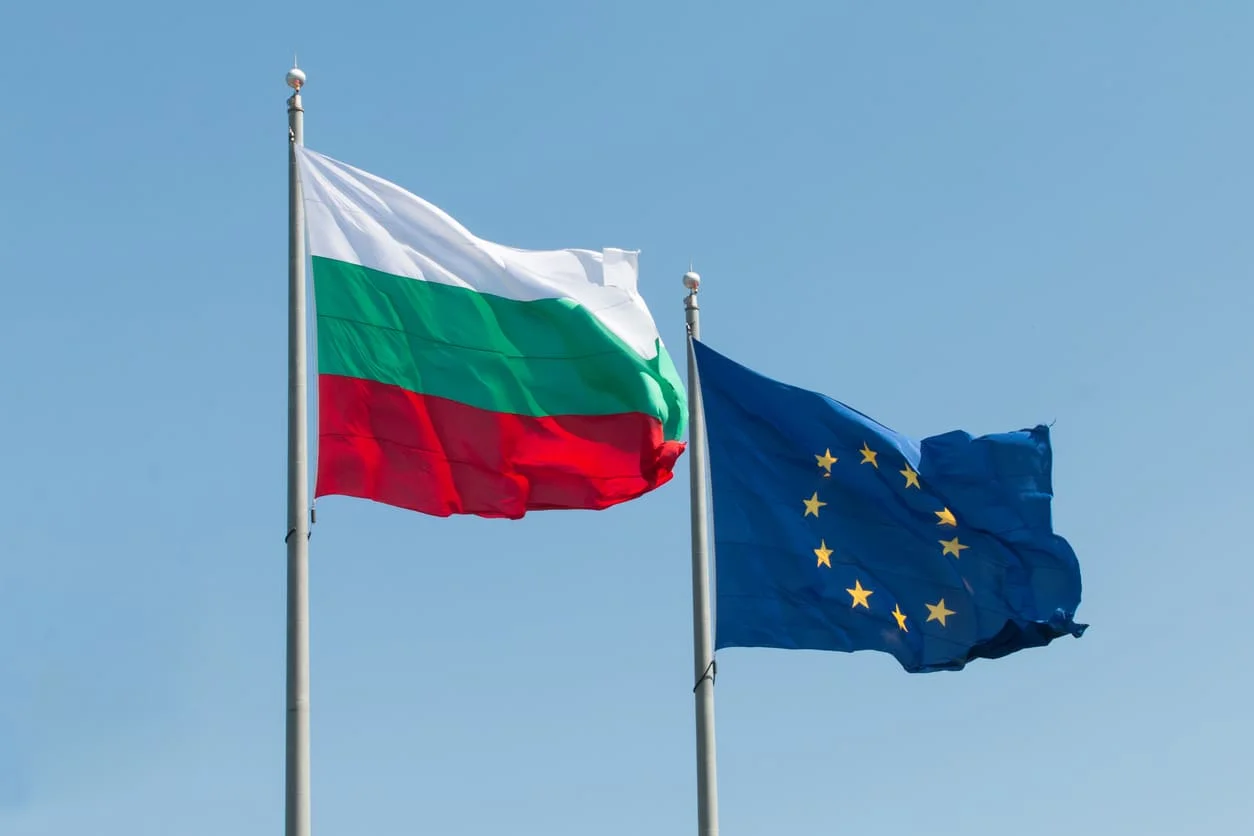
For a whole generation of entrepreneurs, starting a company would follow the set-in-stone rules, with Delaware being the preferred destination for company incorporation in the United States. When businesses needed a respected international business hub in Asia, all roads seemed to lead to Singapore. Within Europe, Estonia has earned a strong reputation as one of the most digitally advanced business environments. In the meantime, long overshadowed by Estonia and other popular EU destinations, Bulgaria may be one of Europe’s most underestimated business hubs despite offering many of the qualities today’s entrepreneurs consider essential.
Today, however, Bulgaria is fast becoming one of Europe’s emerging business hotspots for entrepreneurs seeking a competitive alternative to the continent’s established hubs. Much like Delaware earned its reputation for business-friendly regulation and tax benefits, for enthusiasts seeking to enter the EU, Bulgaria is becoming synonymous with efficient corporate setup, regulatory predictability, and one of the region’s most competitive tax regimes.
Although the comparison to Delaware may appear ambitious at first glance, given that more than 65% of Fortune 500 companies are incorporated there, Bulgaria is embracing a similar philosophy of enabling entrepreneurs to start and grow their businesses with confidence. As entrepreneurs seek the ideal base for the next generation of international business giants, Bulgaria challenges the status quo, rapidly transforming from one of Europe’s best-kept-secret destinations into a highly attractive jurisdiction for incorporation.
The New Geography of Entrepreneurship
The era of entrepreneurship concentrated in a handful of global capitals is coming to an end, as new business hubs rise across the world. In fact, the world’s most successful startups are no longer built from a single office in London, New York, Singapore, or Hong Kong. Rather, technological innovation, regulatory developments, and a remote-first approach have fundamentally transformed the way businesses are created and operated.
Increasingly, today’s entrepreneurs live in one country, manage teams across continents, serve customers in multiple markets online, and attract investment based on their business’s commercial potential rather than location. Rather than relying solely on a jurisdiction’s reputation, businesses are placing greater emphasis on a combination of regulatory clarity, tax efficiency, digital infrastructure maturity, and overall enduring commercial appeal. Countries capable of successfully mastering this balance are now taking the lead in the global race for new company formations.
This evolving landscape has given rise to several once-overlooked countries, with Bulgaria being one of them. With one of the EU’s most competitive tax regimes, streamlined company incorporation, and an increasingly advanced digital environment that “most closely mirrors the Estonian digitalization,” according to Inteliumlaw, a law firm specialized in business structuring, the country is beginning to outpace some of Europe’s most established jurisdictions in attracting international entrepreneurs.
The Rise of a “Boring” Bulgaria for Company Incorporation
In most business contexts, “boring” is hardly a compliment. Yet when it comes to choosing where to set up a business, the least exciting jurisdiction may prove the best choice. Unlike many European hubs that have undergone repeated tax and regulatory overhauls through the years, Bulgaria continues to offer notable stability in almost every possible aspect.
The country’s 10% corporate income tax rate has survived nearly two decades of economic and political change elsewhere in the EU, offering businesses one of the continent’s most stable tax environments. While the implementation of the OECD’s global minimum tax affected several multinational corporations with annual revenues over three-quarters of a billion, the broad situation remained largely unchanged for most businesses.
While Bulgaria may not have experienced rapid economic booms typical for some emerging markets, it has recorded a steady annual growth of approximately 2–4% and a similar increase in the number of active businesses. In particular, technology, software development, outsourcing, and professional services remain the fastest-growing sectors, generating strong interest among foreign entrepreneurs.
The country’s legal environment has evolved progressively, with Bulgaria being able to modernize without fundamentally reshaping the business environment by repeatedly introducing sweeping reforms every few years. Rather, government efforts have concentrated on the expansion of the country’s double taxation treaty network, continued digitalization of public services, targeted startup incentives, and the rollout of landmark EU initiatives such as Markets in Crypto-Assets (MiCA) regulation, reflecting a commitment to steady progress rather than constant reinvention.
Although growth remains moderate, the country’s efforts foster stable economic expansion and attract more businesses from a diverse range of industries. While other jurisdictions attract attention through bold reforms or political shifts, Bulgaria stands out for a predictable environment businesses need to plan ahead with confidence. In an era of constant disruption of the global business landscape, Bulgaria’s “boring” stability is becoming increasingly appealing to foreign entrepreneurs focused on long-term success.
Starting a Business in Bulgaria in 2026
While Bulgaria may not enjoy the same media attention as London and other globally recognized hubs, the country remains a popular choice among entrepreneurs. As the cost and complexity of operating in Europe’s most popular jurisdictions continue to rise, Bulgaria is evolving from an outsider into a competitive hub offering a credible alternative to entering the EU with a relatively low barrier to entry.
As interest in Bulgaria grows, however, entrepreneurs recognize selecting it as the jurisdiction for their business won’t help design a sustainable legal structure. The stakes are highest at the structuring stage, which demands excellence in designing what will determine whether a business can scale successfully or face various tax, banking, and compliance barriers. Effectively, therefore, the choice of structuring legal advisors with genuine sector expertise may ultimately prove as important as selecting the right jurisdiction, if not more so. One firm with strong expertise in this field is Inteliumlaw, who has a proven track record advising foreign entrepreneurs on setting up a company in Bulgaria, effective legal structuring, and cross-border expansion planning.
The real revolution is unfolding not across Bulgaria but in the mindset of modern entrepreneurs. The era of choosing on autopilot from Europe’s best-known business hubs is fading, giving way to businesses favoring jurisdictions with lasting competitive advantages. Against this backdrop, Bulgaria belongs to the short list of jurisdictions worth committing to today. Much like Delaware before it, Bulgaria may be on the verge of a breakthrough as businesses finally recognize its long-standing potential.