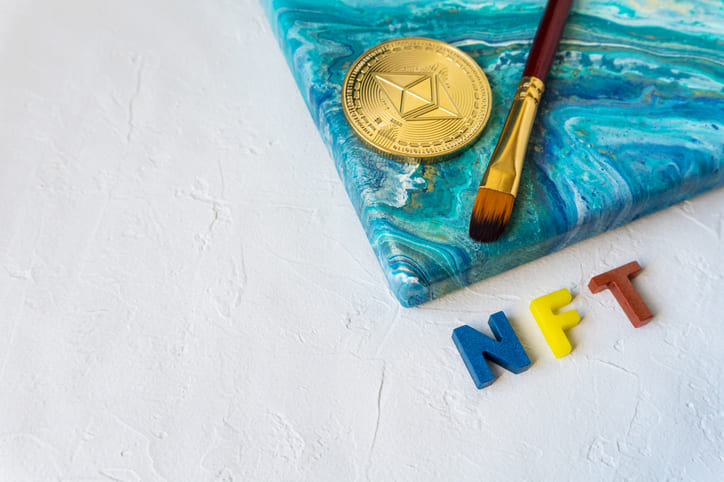
The fine art market has long been the exclusive domain of wealthy collectors and institutional investors, with masterpieces by renowned artists commanding prices in the millions of dollars. However, a revolutionary transformation is underway as blockchain technology and tokenization are breaking down these traditional barriers to entry. Through the emergence of art NFTs and asset tokenization, the previously inaccessible world of fine art investment is being democratized, allowing everyday investors to own fractions of prestigious artworks and participate in the art market’s potential returns.
The Traditional Art Market’s Limitations
The conventional art market has historically presented significant obstacles for most potential investors. High-value artworks typically require substantial capital investment, often in the millions of dollars, making them inaccessible to all but the wealthiest collectors. Beyond the initial purchase price, artwork ownership involves considerable additional costs, including insurance, secure storage, and authentication services. These barriers have effectively excluded a vast segment of potential investors from participating in the art market’s appreciation potential. Furthermore, the traditional art market’s lack of liquidity has made it difficult for investors to quickly convert their art assets into cash, often requiring lengthy auction processes or private sales that can take months or even years to complete.
Understanding Art Tokenization
Art tokenization represents a groundbreaking approach to art ownership that leverages blockchain technology to divide ownership of valuable artworks into digital tokens. Each token represents a fractional ownership stake in the underlying artwork, similar to how shares represent ownership in a company. This innovative system operates through smart contracts that ensure transparent and secure ownership records, automated dividend distributions, and seamless transfer of ownership rights. The tokenization process begins with a thorough validation of the artwork’s authenticity and value, followed by the creation of a digital representation on the blockchain. This digital asset is then divided into a predetermined number of tokens, each representing a specific percentage of ownership in the physical artwork.
Key Benefits of Tokenized Art Investment
The tokenization of fine art brings several transformative advantages to the investment landscape, fundamentally changing how people can participate in the art market. Lower barriers to entry allow investors to start with modest amounts, perhaps owning just a fraction of a Picasso or Warhol masterpiece. This democratization extends beyond mere access – it creates a more liquid market where art investments can be traded more easily and frequently than traditional art sales. Additionally, blockchain technology provides unprecedented transparency in ownership tracking and price history, addressing long-standing concerns about provenance and authenticity in the art world.
The key advantages of tokenized art investment include:
- Fractional Ownership: Investors can purchase tokens representing small portions of high-value artworks, dramatically lowering the entry barrier to fine art investment. This allows for portfolio diversification across multiple pieces and artists, previously impossible for most investors.
- Enhanced Liquidity: Traditional art investments often require lengthy processes to sell, but tokenized art can be traded quickly on secondary markets, providing greater flexibility for investors to adjust their positions.
- Transparent Pricing: The blockchain records all transactions publicly, creating a clear price history and making market manipulation more difficult.
- Automated Compliance: Smart contracts handle regulatory requirements automatically, ensuring all transactions meet legal standards while reducing administrative overhead.
Real-World Implementation and Success Stories
The practical implementation of art tokenization is already demonstrating its transformative potential in the fine art market. Leading platforms are successfully tokenizing multi-million dollar masterpieces, allowing thousands of investors to own shares in works by legendary artists like Picasso, Warhol, and Banksy. These platforms combine secure storage of physical artworks in specialized facilities with blockchain-based ownership tracking, ensuring both the safety of the asset and the transparency of transactions. For example, recent tokenization projects have enabled investors to purchase shares in masterpieces for as little as $500, whereas traditional ownership would require millions in capital.
The success of these implementations has attracted attention from traditional art market participants, including galleries, auction houses, and art investment funds. Many are now exploring or actively developing their own tokenization initiatives, recognizing the potential to expand their investor base and increase market liquidity. This institutional adoption is crucial for the long-term viability and growth of tokenized art investment, as it brings credibility and established expertise to this innovative approach.
Market Outlook and Growth Potential
The market for tokenized art is showing remarkable growth potential, with several factors driving its expansion. The increasing digitization of financial markets, growing interest in alternative investments, and rising demand for accessible art investment opportunities are all contributing to the sector’s development. Industry analysts project that the tokenized art market could reach significant scale within the next five years, potentially representing billions in tokenized art assets.
Current market trends indicate a growing acceptance of digital ownership models among younger investors, who are particularly attracted to the combination of traditional art investment and innovative technology. This demographic shift suggests a strong foundation for long-term market growth. Furthermore, the integration of tokenized art into broader digital asset portfolios is creating new investment strategies and opportunities for portfolio diversification.
Regulatory Landscape and Industry Standards
As the tokenized art market matures, regulatory frameworks are evolving to accommodate this new investment model while ensuring investor protection. Different jurisdictions are developing specific guidelines for tokenized assets, including requirements for issuance, trading, and ownership transfer. These regulations are crucial for establishing market stability and investor confidence. Platforms operating in this space must navigate complex compliance requirements, including know-your-customer (KYC) procedures, anti-money laundering (AML) regulations, and securities laws.
The industry is also establishing self-regulatory standards to promote best practices and build trust. These emerging standards address key aspects of tokenized art investment:
- Asset Validation: Rigorous authentication processes and regular condition assessments ensure the underlying artwork’s authenticity and value.
- Token Security: Advanced cryptographic protocols and multi-signature wallets protect investor interests and prevent unauthorized token transfers.
- Market Transparency: Regular reporting requirements and standardized valuation methods provide investors with reliable information for decision-making.
- Insurance Coverage: Comprehensive insurance policies protect both the physical artwork and the digital tokens representing ownership.
The Renaissance of Art Investment
We stand at the threshold of what could be considered a renaissance in art investment, where masterpieces once locked behind the gates of elite galleries and private collections are becoming accessible to millions. This transformation echoes the historic impact of the printing press on literature – just as that innovation democratized access to knowledge, tokenization is revolutionizing access to fine art ownership. The implications extend far beyond simple market participation; we’re witnessing the emergence of a new artistic economy where collectors can build diverse portfolios of fractional masterpieces, artists can reach previously untapped markets, and galleries can reinvent their traditional business models.
As we look to the future, the convergence of blockchain technology and fine art promises to create entirely new possibilities in how we value, trade, and experience art. Imagine a world where an art enthusiast in Singapore owns a share of a Picasso hanging in Dubai, while simultaneously holding stakes in emerging artists’ works displayed in galleries across London and New York. This isn’t just a democratization of art investment – it’s a fundamental reimagining of what it means to be an art collector in the digital age. The art market of tomorrow is being shaped today, and for the first time in history, everyone has a chance to be part of this cultural and financial revolution.
Disclaimer: This article contains sponsored marketing content. It is intended for promotional purposes and should not be considered as an endorsement or recommendation by our website. Readers are encouraged to conduct their own research and exercise their own judgment before making any decisions based on the information provided in this article.