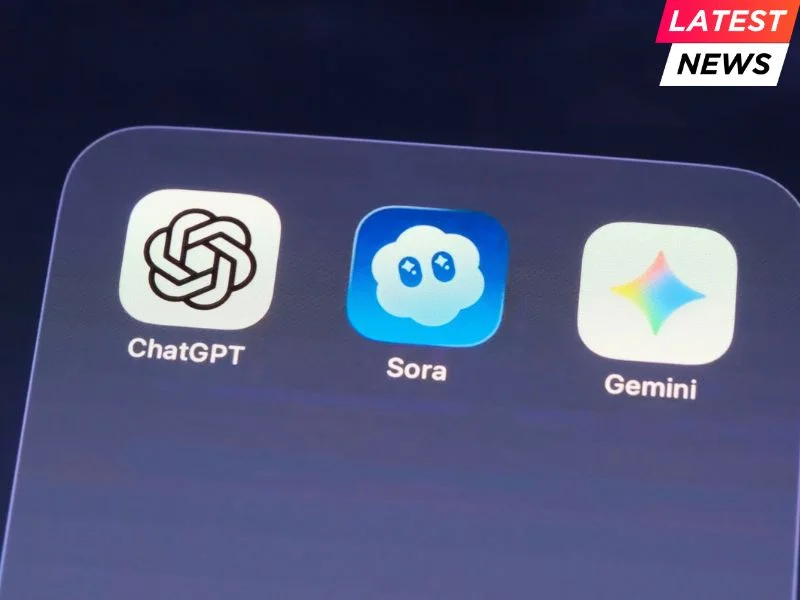
OpenAI’s new short-form video generator Sora has reached 1 million downloads less than five days after its release, marking one of the fastest adoption rates for any of the company’s products, according to an OpenAI executive.
Bill Peebles, who heads the Sora division at OpenAI, announced the milestone in a post on X late Wednesday. He said Sora surpassed the 1 million mark faster than ChatGPT, the company’s flagship AI chatbot that now boasts more than 800 million weekly active users.
The iOS-exclusive app allows users to create short videos from text prompts for free. Access remains limited through an invite-only system, but that hasn’t stopped it from surging to the top of Apple’s App Store rankings. “Team [is] working hard to keep up with surging growth,” Peebles wrote.
Despite its viral success, Sora has already attracted criticism over potential copyright violations. Several videos posted on the platform feature well-known characters from shows such as SpongeBob SquarePants, Rick and Morty, and South Park, according to CNBC. Users were also able to generate similar characters independently using the app’s AI tools.
The Motion Picture Association (MPA), which represents major film and television studios, urged OpenAI to act swiftly. “Videos that infringe our members’ films, shows, and characters have proliferated on OpenAI’s service,” MPA CEO Charles Rivkin said in a statement Monday. “OpenAI needs to take immediate and decisive action to address this issue. Well-established copyright law safeguards the rights of creators and applies here.”
In response, OpenAI CEO Sam Altman said the company will soon introduce new tools that give rights holders greater control over character generation. Speaking at OpenAI’s DevDay event on Monday, Altman acknowledged that some users have complained about overly strict content limitations but stressed that the company is still refining its approach.
“Please give us some grace,” Altman told reporters. “The rate of change will be high.”
Sora’s explosive growth underscores the public’s growing interest in AI-driven creativity but also highlights the industry’s ongoing struggle to balance innovation with intellectual property protections.
Related Readings: