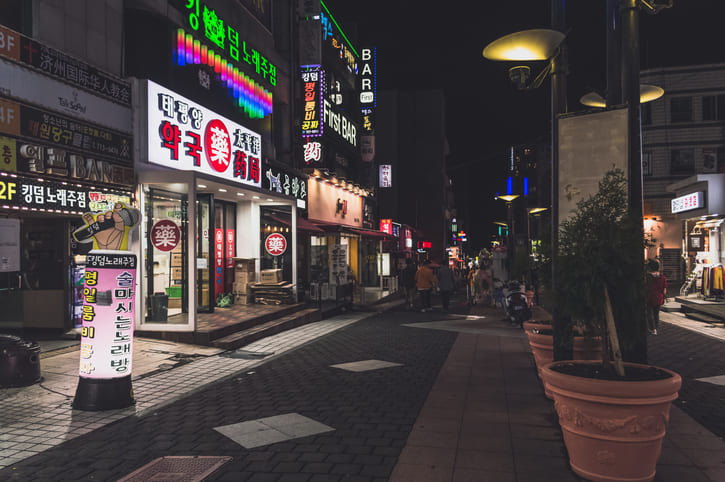
Tourism is not only about landmarks, history, or natural landscapes. For many travelers, the memories that stand out are tied to cultural experiences and local entertainment. In South Korea, one form of nightlife stands out as both a beloved pastime for residents and a draw for international visitors: karaoke. In Seoul’s Gangnam district, karaoke bars are more than a leisure activity – they are a cornerstone of the tourism economy.
South Korea’s Position in the Asian Tourism Market
South Korea ranks among Asia’s fastest-growing tourist destinations. Before the pandemic, the nation welcomed nearly 17.5 million international visitors annually, according to the Korea Tourism Organization. Many of these travelers were not only interested in heritage sites like palaces or temples but also in modern cultural exports such as music, food, and nightlife.
Compared to other regional destinations, South Korea’s nightlife carries a unique blend of safety, affordability, and innovation. These attributes have made it a strong competitor to Japan, Thailand, and Hong Kong in attracting younger tourists seeking entertainment-focused trips.
Gangnam Nightlife as a Tourism Magnet
Gangnam, made famous globally by Psy’s 2012 song “Gangnam Style,” has established itself as a symbol of luxury and entertainment. Its karaoke bars, often found on bustling streets filled with neon lights, serve as gathering places for locals and tourists alike.
The appeal of these venues lies in their dual function. They provide a form of entertainment deeply ingrained in Korean culture while also serving as a fresh, novel experience for visitors. This duality attracts a steady flow of domestic and foreign guests, strengthening the district’s reputation as Seoul’s nightlife hub.
The Economics of Karaoke Bars
The karaoke industry in South Korea generates billions annually, contributing directly to the hospitality sector. Revenue is not limited to the rental of private singing rooms. Food and beverage sales, booking fees, and group packages all add to the financial success of these establishments.
Karaoke bars also create jobs across multiple levels. From service staff and bartenders to sound engineers and tech specialists, the sector supports thousands of positions nationwide. Indirectly, nearby restaurants, hotels, and transportation services benefit from the influx of karaoke-goers, multiplying the economic value of the industry.
Here is a simplified view of karaoke’s economic impact:
| Sector | Direct Impact (Revenue/Jobs) | Indirect Impact (Tourism & Hospitality) |
| Karaoke Venues | Room rentals, F&B sales, staffing | Maintenance suppliers, tech upgrades |
| Tourism and Travel | Attraction for visitors | Hotels, transport, tour operators |
| Local Businesses | Employment opportunities | Restaurants, shops, entertainment zones |
Hospitality and Job Creation
Tourism-related nightlife creates a cycle of economic growth. Karaoke venues require a high level of service, from attentive waitstaff to technical support. This results in consistent employment opportunities for local communities.
In addition, the popularity of karaoke among tourists has encouraged investment in training programs for hospitality workers. Language skills, customer service, and cultural awareness are emphasized, making staff better equipped to serve international guests. This professionalization elevates Korea’s standing as a tourism-friendly destination.
Business Travelers Seeking Unique Experiences
South Korea is a leading hub for international business conferences and corporate meetings. Business travelers often look for cultural activities to balance work with leisure. Karaoke bars provide a convenient and authentic option.
Private rooms allow executives to relax, bond with colleagues, or entertain clients in a setting that is both casual and professional. This demand adds an important revenue stream for the industry, particularly in areas like Gangnam where corporate activity is high. And bars and more premium establishments, like 강남야구장, certainly profit from this trend.
Karaoke as Team-Building in Asia
In Asian corporate culture, group bonding activities are common. Karaoke fits naturally into this environment, providing a way for teams to strengthen relationships outside the office. Singing together breaks down hierarchies, allowing employees and managers to connect on a more personal level.
This cultural practice is often surprising for Western visitors, who may not expect professional interactions to include singing. Yet, many business travelers find it refreshing and memorable, adding to the positive impression of Korea’s business environment.
Opportunities for European Businesses in Korean Hospitality
The growth of karaoke tourism also creates opportunities for international collaboration. European beverage brands, sound system manufacturers, and event companies are increasingly interested in partnerships with Korean nightlife venues. The popularity of imported beers, wines, and premium spirits in karaoke settings has expanded export markets for European businesses.
Furthermore, European tourism agencies are packaging nightlife experiences into Korea travel itineraries, recognizing that visitors want more than daytime sightseeing. These cross-continental links demonstrate how a local entertainment trend can stimulate global economic connections.
Future Growth of Nightlife Tourism
The future of Korea’s nightlife tourism looks promising. Post-pandemic recovery data shows that younger travelers prioritize experience-based trips. Karaoke bars fit perfectly into this demand. Advancements in technology – from AI song recommendations to interactive room designs – will continue attracting global interest.
Government initiatives also play a role. The Korean government has been investing in promoting “Hallyu” tourism, which highlights cultural exports like K-pop, dramas, and food. Karaoke naturally ties into this campaign, serving as both a cultural touchpoint and a tourism product.
| Trend | Expected Impact on Karaoke Tourism |
| Tech Upgrades | Higher spending per visitor |
| Hallyu Promotion | Increased first-time tourists |
| Experience Economy | Greater demand for nightlife |
| Business Tourism | More corporate group bookings |
Karaoke’s Contribution to a Thriving Economy
Karaoke is not a small-scale cultural pastime in South Korea. It is a significant driver of tourism and hospitality, generating revenue, creating jobs, and attracting investment. Venues in Gangnam embody the intersection of culture and commerce, proving that nightlife can be both entertaining and economically valuable.
As tourism continues to diversify, experiences like karaoke bars will remain at the forefront of South Korea’s global appeal. They represent not only a place to sing but also an economic engine that benefits both local communities and the broader hospitality industry.