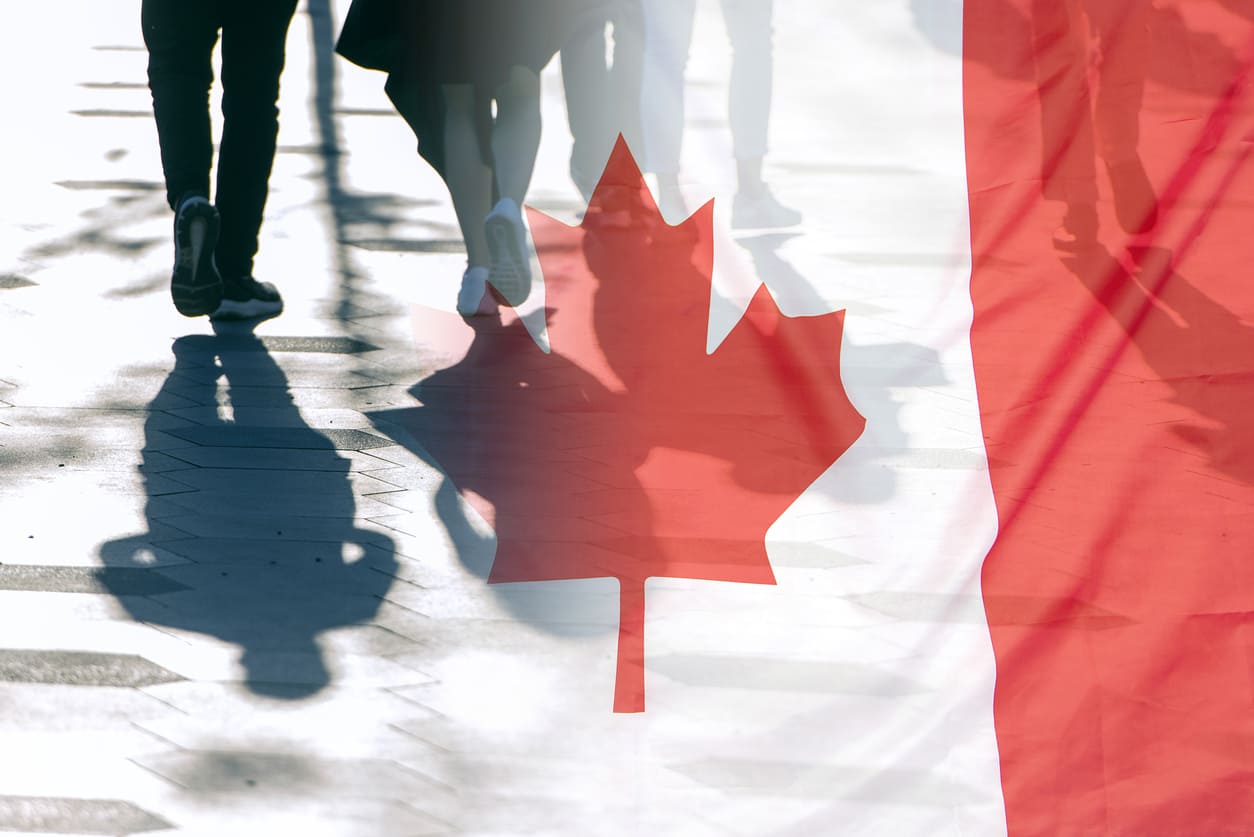
The global refugee crisis has reached unprecedented levels, with millions forced to flee their homes due to conflict, persecution, and climate disasters. While governments and international organizations have been working tirelessly to respond, the sheer scale of displacement calls for innovative solutions that harness the power of communities. Canada’s Private Sponsorship of Refugees (PSR) program offers a unique blueprint for global humanitarian efforts. Former refugee, immigration lawyer, and human rights advocate Katrina Sriranpong notes that it empowers ordinary citizens, community groups, and organizations to play an active role in welcoming and supporting newcomers, demonstrating that refugee resettlement can be a shared responsibility—not solely a governmental one.
A Pause on the Group of Five (G5) Sponsorship
An important development in Canada’s sponsorship landscape is the temporary suspension of the Group of Five (G5) program until 2026. This suspension has raised concern among advocates, as the G5 stream allows five or more Canadians to directly sponsor a refugee without being part of a larger organization. Critics argue that the suspension restricts the ability of smaller community groups to respond to urgent needs. Advocacy organizations are urging citizens to raise their voices against the suspension, emphasizing that G5 has been instrumental in engaging grassroots networks in refugee resettlement.
Understanding Canada’s Private Sponsorship Model
Launched in 1979 in response to the Vietnamese “Boat People” crisis, Canada’s PSR program is a groundbreaking approach that allows private citizens to sponsor refugees directly. Under this model, sponsors commit to providing financial, emotional, and social support to refugees for their first year in Canada. This includes essentials such as housing, food, clothing, and help navigating life in a new country.
Sponsors can be faith groups, cultural associations, non-profits, or even informal groups of five or more individuals. The program complements, rather than replaces, government-led resettlement, effectively doubling Canada’s capacity to welcome newcomers. This blend of official infrastructure and grassroots participation has become one of the most recognized and respected resettlement models in the world.
Different Streams of Sponsorship
Private sponsorship in Canada occurs through three main streams:
- Sponsorship Agreement Holders (SAHs): Large organizations that sign agreements with the Government of Canada to sponsor refugees on an ongoing basis. These groups often have significant experience and infrastructure, making them reliable anchors of the program.
- Constituent Groups (CGs): Community-based groups working under an SAH’s agreement. These local groups benefit from the guidance and oversight of SAHs while providing personalized, hands-on support to newcomers.
- Groups of Five (G5): As noted, five or more Canadian citizens or permanent residents can come together to sponsor refugees. This stream has historically made sponsorship accessible to ordinary citizens without requiring organizational backing, though it is currently suspended until 2026.
Each stream offers varying levels of formality and flexibility, but all are united in their purpose: to mobilize civil society in welcoming refugees.
Why the PSR Model Works
One of the key reasons Canada’s private sponsorship model is so effective is that it creates a deeply personal connection between refugees and their host communities. Sponsors are not just providing funds; they are forming relationships. These personal ties foster trust, a sense of belonging, and cultural exchange, helping refugees integrate more quickly and successfully.
Another factor is the program’s flexibility. Because sponsors are embedded in their communities, they can tailor their support to the unique needs of each refugee family. This might mean helping someone secure a job in their specific profession, connecting them to cultural networks, or ensuring children are enrolled in schools that best meet their needs.
Crucially, this model shifts part of the financial and logistical burden away from the government while expanding the total number of people who can be resettled. It transforms refugee resettlement from a distant, bureaucratic process into a shared humanitarian mission in which citizens are direct stakeholders.
The Ripple Effect on Communities
Private sponsorship does more than transform the lives of refugees—it changes the communities that welcome them. Sponsors often report that their involvement deepens their understanding of global issues and strengthens their sense of civic responsibility. Local businesses, schools, and social networks also benefit from the contributions newcomers bring, whether through their skills, entrepreneurship, or cultural diversity.
Moreover, the act of welcoming refugees can unite communities across political, religious, and cultural divides. Working toward a common humanitarian goal creates bonds that transcend differences, reinforcing social cohesion and empathy. This social capital is not only beneficial for refugee integration but also for the health and resilience of the community as a whole.
Overcoming Challenges and Criticism
Like any large-scale program, the PSR model is not without challenges. Critics have raised concerns about uneven support quality, particularly when sponsorship groups are inexperienced. Some worry about the long-term sustainability of relying heavily on volunteer-driven models, as well as the risk of governments reducing their own resettlement commitments in response to strong private sponsorship networks.
However, these issues can be mitigated through robust training, ongoing oversight, and clear guidelines for sponsors. Canada has addressed these concerns by working closely with experienced non-governmental organizations to mentor new sponsors, ensuring that refugee needs are met consistently. Maintaining a strong government-led resettlement program alongside private sponsorship is also essential to avoid overreliance on volunteers.
Why This Model Matters Now More Than Ever
The world is facing complex humanitarian emergencies—from protracted wars to climate-related displacement—that require creative, scalable solutions. Canada’s PSR model proves that when given the opportunity, ordinary citizens can make extraordinary contributions to global challenges. It is not just about charity; it is about empowerment, agency, and partnership between civil society and the state.
With global refugee numbers continuing to rise, scaling up models like PSR could be a game-changer. If adopted widely, Katrina Sriranpong explains, such programs could resettle hundreds of thousands more refugees each year while also fostering global solidarity. In an era when political polarization and resource constraints can stall progress, community sponsorship offers a hopeful, people-powered path forward.
Canada’s Private Sponsorship of Refugees program is more than a national policy—it is a demonstration of what is possible when compassion meets structure. By mobilizing citizens to take an active role in resettlement, it has transformed countless lives and communities while offering a practical solution to one of the most pressing humanitarian challenges of our time. If other nations adapt and implement similar models, the impact could be profound—not only for refugees but for the very fabric of global society. In a world where displacement is likely to increase, Canada’s approach shines as a blueprint for how humanity can rise to meet the challenge together.