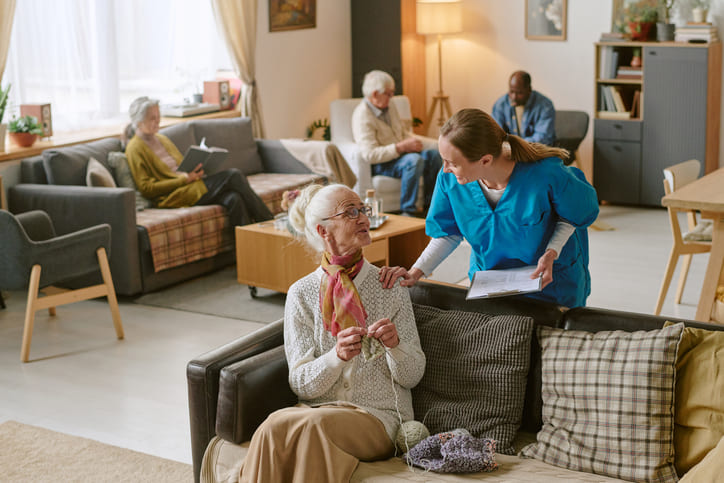
Urban environments are constantly changing to accommodate the needs of residents. As populations grow and cities become more diverse, the demand for flexible and accessible home care solutions is increasing. Modern urban living now reflects a broader understanding of health, mobility, and community support, especially for older adults and individuals with specific health requirements.
The Growing Demand for Home Care in Cities
Home care services are no longer considered a luxury; they are now a necessity. They have become an essential part of the healthcare system for many urban residents. City living presents unique challenges such as smaller living spaces, higher costs, and busier lifestyles, which often require tailored care solutions. The fast pace of urban environments means that many families cannot provide full-time care to relatives who need daily assistance.
An ageing population is also driving this shift. Many older adults prefer to remain in their own homes rather than move into residential care facilities. This preference aligns with the growing emphasis on independence and dignity in later life, making accessible home care services a vital part of city infrastructure.
Technology Transforming Urban Home Care
Advances in technology are playing a major role in making home care more effective. Smart home devices, remote health monitoring tools, and telehealth services are now widely available in urban areas. These technologies allow caregivers to track health metrics, manage medications, and respond quickly to emergencies.
For example, wearable devices can monitor heart rates, detect falls, and send alerts to caregivers or emergency services. Video consultations with healthcare professionals also help reduce the need for hospital visits, which can be difficult to arrange in busy city environments. This combination of technology and personal care is making urban home care more efficient and responsive.
Building Supportive Urban Communities
Cities are beginning to adapt their infrastructure to support home care needs more effectively. Public transportation systems are improving accessibility for individuals with mobility issues. Housing developments are being designed with universal design principles, allowing residents to age in place comfortably. Compact stairlift solutions in the UK designed for modern living further support accessibility and independence within these spaces.
Community-based initiatives are also growing. Volunteer networks, local charities, and neighbourhood groups are stepping in to provide companionship, meal delivery, and transportation assistance. These programmes reduce social isolation, which is a common challenge for individuals who need home care.
In urban areas, professional providers are combining these community resources with skilled care to meet the needs of residents. Families seeking professional assistance can find tailored solutions through Home Care services in Worcester, which are designed to offer flexible and compassionate support.
Balancing Independence and Assistance
Urban home care aims to strike a balance between offering necessary support and preserving independence. Many individuals receiving care wish to remain active participants in their own lives. Caregivers and service providers are increasingly focusing on person-centred care plans that prioritise the preferences and routines of the person receiving assistance.
This approach helps individuals maintain a sense of control over their daily lives while ensuring that essential tasks such as personal hygiene, medication management, and meal preparation are handled. In turn, this promotes physical and emotional well-being, reducing the likelihood of hospital admissions or long-term institutional care.
The Future of Urban Home Care
The future of home care in cities will likely be shaped by even greater integration of technology, community engagement, and personalised services. Artificial intelligence could soon help predict health concerns before they become emergencies. Urban planning will continue to incorporate age-friendly and accessible features into housing and public spaces, ensuring that these features are integrated into the design of new developments.
Collaboration between local governments, healthcare providers, and technology developers will be essential to ensure that services are affordable, effective, and inclusive. As the needs of urban residents continue to evolve, home care services will remain a critical element of healthy, sustainable city living.
Urban living is adapting in meaningful ways to support residents who require care at home. This shift is not only improving quality of life for those in need but is also creating stronger, more connected communities that value health, dignity, and independence.
Disclaimer: This article contains sponsored marketing content. It is intended for promotional purposes and should not be considered as an endorsement or recommendation by our website. Readers are encouraged to conduct their own research and exercise their own judgment before making any decisions based on the information provided in this article.