The film industry is undergoing a profound transformation — driven not so much by new artistic forms as by the rise of intelligent infrastructure and advanced technologies. Artificial intelligence, real-time rendering engines, and cloud-based collaboration platforms are redefining how stories are created, planned, and delivered to audiences around the world.
What once required massive crews, elaborate sets, and months of preparation can now be accomplished in a matter of days — thanks to smarter workflows, leaner teams, and increasingly data-driven decision-making. From large-scale productions where virtual sets were created using Unreal Engine, to Oscar-winning indie films powered by AI-driven visual effects, a new era has clearly arrived.
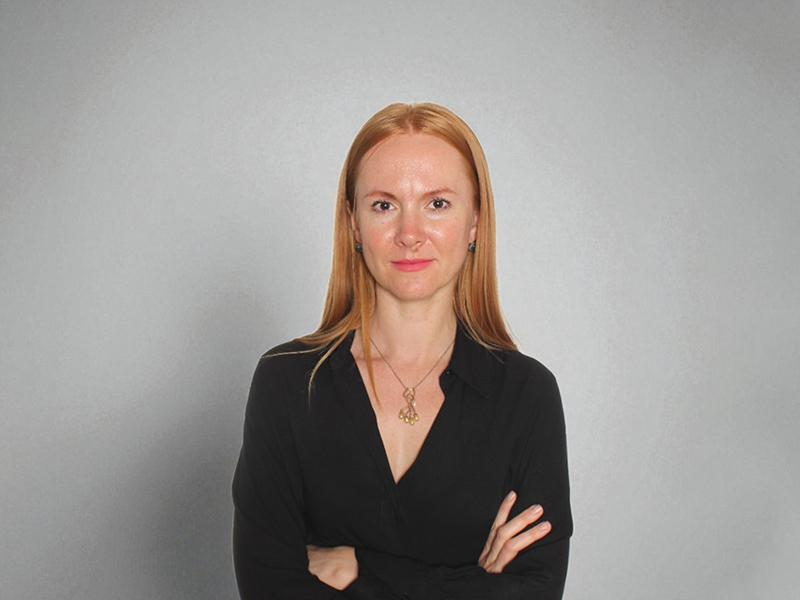
At the heart of this transformation are companies like Filmustage, which serve as a bridge between creativity and technology. Leading these efforts is Yulia Gushchina, Head of Sales and Business Development at Filmustage, who oversees strategic partnerships and the company’s growth across the B2B segment. Working closely with film studios, production companies, and enterprise clients, Yulia has a front-row view of how intelligent tools are not only optimizing production—but reshaping the very nature of the film business.
In this interview, Yulia shares her insights into the key technologies transforming the industry, the creative and economic opportunities they unlock, and the new challenges producers must navigate in the age of digitalization and AI.
Over the past few years, the film industry has undergone rapid and profound change—largely driven by technological innovation. Could you tell us: what are the key technologies currently shaping the intelligent infrastructure of today’s film industry? What exactly lies behind this concept—and how are these solutions transforming the way films are actually made?
When we talk about intelligent infrastructure in film, we’re referring to a next-generation technological ecosystem that spans nearly every phase of production—from concept development to post-production and final distribution. At its core are AI-driven tools, real-time rendering engines, and cloud-based collaboration platforms. Together, they make filmmaking more agile, scalable, and data-informed.
One striking example is virtual production. Technologies like Unreal Engine, combined with LED volumes, allow digital environments to be created and rendered in real time. This approach became a game-changer for projects like The Mandalorian, and the results speak for themselves. It’s not just about visual impact—it’s about reducing the need for expensive location shoots, simplifying logistics, and expanding creative freedom within a controlled studio setting.
At the same time, artificial intelligence is being used in very practical ways: analyzing scripts, structuring information, suggesting shooting schedules, and optimizing production workflows. This is no longer theoretical or experimental—these tools are now actively influencing day-to-day decision-making in modern filmmaking.
Which business functions have already been automated through AI, and how does this impact budgets and production timelines?
AI is already handling a lot of behind-the-scenes tasks. It breaks down scripts, suggests actors, plans shooting schedules, and even generates subtitles. For example, at Filmustage, we created a tool that does automatic script breakdowns. This job used to take days, but now it takes minutes, and it’s completely technical, not creative.
With AI doing this work, pre-production is much faster. Schedules are more accurate. Budgets are tighter. And there are fewer last-minute problems. All of this saves time and money.
Are there examples where such technologies directly contributed to a project’s commercial success?
Absolutely. Everything Everywhere All At Once used smart tools like Runway’s AI to create its complex visual effects with a very small team. They didn’t need a huge budget, but the film still looked amazing. It ended up making over $140 million worldwide and won seven Oscars, including Best Picture.
The lesson here is simple: smart tools don’t replace creativity, but they help it go further. Technology helped the filmmakers stay small and agile, without giving up on quality or ambition.
How does intelligent infrastructure affect the investment appeal of film projects?
Investors don’t just want good ideas. They want clear numbers, realistic schedules, and well-planned strategies. Smart tools help filmmakers show all of that.
With AI-powered tools, producers can now walk into meetings with a full breakdown of costs, a shooting schedule that considers actor availability, and even predictions about how the film might perform with different audiences.
For investors, this kind of clarity builds trust. And when the financial side is easier to understand, it’s easier to get funding.
What new risk models must producers develop in response to generative AI?
Generative AI brings new legal and ethical risks that producers must actively manage. One major concern is unauthorized use of likenesses. In late 2023, an ad used an AI-generated voice that imitated Scarlett Johansson without her permission. Her legal team responded, and the ad was quickly pulled.
To avoid similar issues, producers need to update contracts to cover AI-generated voices and digital doubles. They also need to audit AI usage—checking where data comes from and ensuring human approval. Beyond legal risks, producers must watch for bias or inappropriate content generated by AI, which could cause serious reputational harm.
Where do the biggest challenges lie in the shift toward digital business models in filmmaking?
Digital tools are powerful, but they bring new risks. In late 2024, some indie productions had to stop mid-project because a cloud platform they relied on suddenly raised prices. They didn’t have backups and couldn’t afford the new fees. This shows why flexibility and backup plans are so important.
There’s also a creative risk. Young people entering the film industry are learning everything online or through apps. But they’re missing out on the hands-on experience of being on set with mentors. That kind of training is hard to replace.
Security is another big concern. Just before release, a major Marvel movie was leaked during a cloud file transfer. It caused delays and forced the team to do extra edits and damage control. As more parts of filmmaking move online, protecting digital assets becomes just as important as protecting physical equipment.
What opportunities do new intelligent tools offer to independent studios and auteur cinema?
New technology is helping small teams work like big ones. Independent filmmakers now have access to tools that make planning, budgeting, and editing much easier.
New intelligent tools are opening doors for independent studios and auteur filmmakers in ways that were simply not possible a few years ago. In the past, producing a film with limited resources often meant compromising on scale, quality, or efficiency. Today, that’s no longer the case
These tools are also unlocking access. A filmmaker in Argentina or Estonia now has access to the same previsualization, editing, or localization capabilities as someone in Los Angeles—often for a fraction of the cost. This levels the playing field and brings more diverse voices into global storytelling.
In your view, what’s the best way to combine AI-driven processes with human artistic vision?
Technology should support creativity, not replace it. Filmmaking is still a human process. It needs emotion, instinct, and vision.
The best approach is to use AI as a tool, not a decision-maker. Let it help organize, suggest, and simplify — but always leave the final choices to people. Film schools are already adapting. At Berlinale Talent Lab 2024, for example, young filmmakers learned both creative writing and AI tools in the same sessions.
When humans and technology work together, the results are better. Audiences can tell when a story has heart, not just logic.