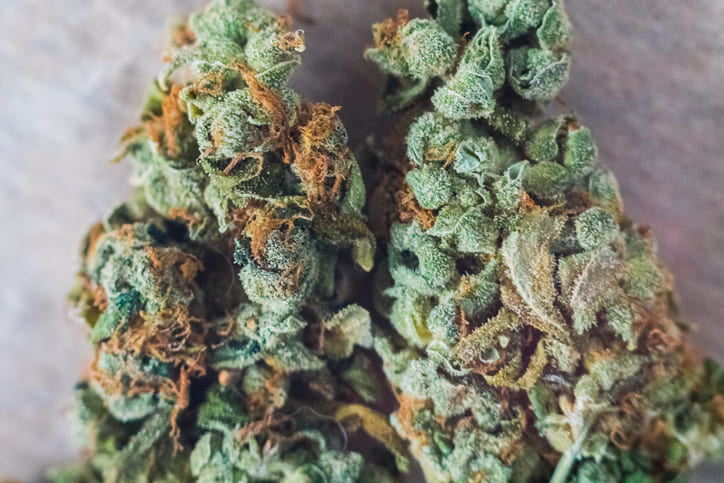
Delta-8 THC has gained significant attention in recent years as a legal alternative to traditional marijuana. It offers psychoactive effects, but they are milder and smoother compared to Delta-9 THC, the compound responsible for the classic cannabis high.
Consumers are drawn to Delta-8 for its relaxing properties, reduced risk of anxiety, and legal availability in many states.
But what exactly is Delta-8, and how does it compare to other cannabinoids? This guide explores its effects, benefits, legality, and the best ways to use it.
What Is Delta-8 THC?
Delta-8 tetrahydrocannabinol (THC) is a naturally occurring cannabinoid found in cannabis and hemp plants. It shares structural similarities with Delta-9 THC, the main psychoactive component in marijuana, but with subtle differences in its chemical bonds.
These differences result in a less intense high, making Delta-8 a popular choice for those seeking a balanced experience without excessive intoxication.
How Delta-8 Is Made
Unlike Delta-9, which is abundant in cannabis, Delta-8 appears in very small quantities. To meet consumer demand, manufacturers extract it from hemp-derived CBD through a process called isomerization.
This involves chemically altering CBD’s molecular structure to convert it into Delta-8 THC. Because of this, most Delta-8 products on the market come from hemp rather than marijuana.
Effects of Delta-8 THC
Psychoactive Properties
Delta-8 interacts with the body’s endocannabinoid system, specifically the CB1 and CB2 receptors, similar to Delta-9 THC. However, its altered molecular structure leads to a weaker binding affinity, resulting in a smoother high.
Users report feeling clear-headed, relaxed, and mildly euphoric without the intense paranoia or anxiety that can accompany high doses of Delta-9.
Potential Benefits of Delta-8 THC
Many consumers turn to Delta-8 not just for recreational use but for its potential therapeutic benefits. It has been linked to pain relief, stress reduction, and nausea control, among other effects.
- Pain and Inflammation Relief: Delta-8 gummies have analgesic properties that may help reduce chronic pain and inflammation. Some users find it useful for conditions like arthritis, migraines, and muscle soreness.
- Anxiety Reduction: Unlike Delta-9, which can trigger anxiety in some individuals, Delta-8 provides a more calming experience. This makes it a preferred option for those prone to THC-induced paranoia.
- Appetite Stimulation: Delta-8 is known to increase hunger, often referred to as “the munchies,” making it helpful for individuals dealing with appetite loss.
- Neuroprotective Potential: Some research suggests Delta-8 may support brain health by promoting neurogenesis and protecting against cognitive decline.
- Nausea and Vomiting Relief: Early studies indicate Delta-8 may help reduce nausea, particularly in chemotherapy patients.
Side Effects and Risks
While Delta-8 THC is generally well-tolerated, it is not without side effects. Users may experience dry mouth, red eyes, drowsiness, or mild dizziness.
In high doses, it can still cause cognitive impairment, though typically less severe than Delta-9. Because research is still limited, long-term effects remain unclear.
Delta-8 vs. Other Cannabinoids
Delta-8 vs. Delta-9 THC
The most notable difference between Delta-8 and Delta-9 is potency. Delta-8 is about 50–70% as strong as Delta-9, making it a more manageable option for those who want to remain functional while still enjoying THC’s effects.
It also produces less anxiety and paranoia, making it a more comfortable choice for many.
Delta-8 vs. CBD
CBD is non-psychoactive, meaning it does not produce a high. However, both cannabinoids offer similar therapeutic benefits, such as pain relief and anxiety reduction. While CBD products provide a purely medicinal experience, Delta-8 bridges the gap between relaxation and mild intoxication.
Delta-8 vs. Delta-10 THC
Delta-10 THC is another hemp-derived cannabinoid, but it is known for its more uplifting and energetic effects. While Delta-8 leans toward relaxation and sedation, Delta-10 is often compared to a sativa-like high, making it better suited for daytime use.
How to Use Delta-8 THC
Delta-8 comes in various forms, each offering a different onset time and duration of effects.
- Vaping and Smoking: Inhalation provides the fastest effects, typically kicking in within minutes. It allows for precise dosing and is ideal for those seeking immediate relief. However, smoking or vaping may not be suitable for individuals with respiratory concerns.
- Edibles and Gummies: These offer a longer-lasting effect, usually taking 30 to 90 minutes to kick in, but the high can last for several hours. The delayed onset can lead to overconsumption if users are not patient, so starting with a low dose is recommended.
- Tinctures and Oils: Placing a few drops under the tongue allows for faster absorption than edibles but slower than inhalation. Effects typically begin within 15 to 45 minutes. Tinctures are ideal for those who want precise control over their dosage.
- Capsules and Softgels: These provide a discreet, pre-measured dose of Delta-8, making them a great option for consistent effects. However, like edibles, they take longer to kick in.
Proper Dosage for Beginners and Experienced Users
New users should start with a low dose, typically between 5 to 10 mg, and gradually increase as needed.
Moderate users can take 10 to 30 mg, while experienced consumers may require doses above 30 mg to feel significant effects. It’s always best to start low and go slow to avoid unwanted side effects.
Is Delta-8 THC Legal?
Delta-8 exists in a legal gray area due to the 2018 Farm Bill, which legalized hemp-derived cannabinoids, including CBD. Because most Delta-8 is made from hemp-derived CBD, it remains federally legal.
However, the Drug Enforcement Administration (DEA) has raised concerns over the synthetic conversion process used to create it.
While Delta-8 is federally legal, some states have chosen to regulate or ban it entirely. States like Alaska, Colorado, and New York have placed restrictions, while others, such as Texas and Florida, still allow its sale.
Since laws frequently change, it’s essential to check local regulations before purchasing Delta-8 products.
Where to Buy High-Quality Delta-8 Products
Several well-known brands specialize in Delta-8 products, including TREHouse, Binoid and Delta Extrax. These companies offer a wide range of options, from potent vape cartridges to delicious edibles and high-quality tinctures.
Customer reviews and brand reputation play a crucial role in determining which products are worth trying.
What to Look for in a Reliable Brand
Not all Delta-8 products are created equal. To ensure safety and quality, look for brands that provide third-party lab testing, also known as Certificates of Analysis (COAs).
These verify potency and purity while ensuring the product is free from harmful contaminants like heavy metals and pesticides. Additionally, brands that use organic hemp and transparent manufacturing processes are more trustworthy.
The Takeaway
Delta-8 THC has emerged as a popular alternative to Delta-9, offering a milder high with potential therapeutic benefits. Whether you’re looking for pain relief, relaxation, or a way to unwind without overwhelming psychoactive effects, Delta-8 provides a balanced experience.
However, understanding dosage, legality, and product quality is essential for a safe and enjoyable experience. Have a good one!
References
1. Taylor BN, Mueller M, Sauls RS. Cannaboinoid Antiemetic Therapy. [Updated 2023 Aug 14]. In: StatPearls [Internet]. Treasure Island (FL): StatPearls Publishing; 2024 Jan-.
2. Scherma M, Muntoni AL, Riedel G, Fratta W, Fadda P. Cannabinoids and their therapeutic applications in mental disorders . Dialogues Clin Neurosci. 2020 Sep;22(3):271-279. doi: 10.31887/DCNS.2020.22.3/pfadda. PMID: 33162770; PMCID: PMC7605020.
Disclaimer: This article contains sponsored marketing content. It is intended for promotional purposes and should not be considered as an endorsement or recommendation by our website. Readers are encouraged to conduct their own research and exercise their own judgment before making any decisions based on the information provided in this article.