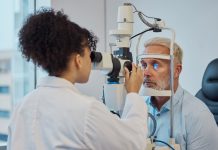
Losing your vision at any age is never a good thing because it not only creates problems but also reduces your quality of life and leaves you in a mess.
Development in laser technology is the reason why we are hopeful and can fix our vision without relying on glasses or contact lenses, as we did before. There are many types of procedures available, and each is different, offering its own benefits. Therefore, learning about them is essential so that you can decide which one is best for you.
If you are looking for Laser eye surgery London, Blue Fin Vision offers various procedures, including LASIK, PRK and SMILE, and in case you are not sure which one is right, you can book a consultation for help.
Choose a method based on your eye condition and lifestyle and if you are not sure which one is right, consulting a doctor can help. In this article, we will tell you about the common laser eye surgery types and how they work to benefit your eyes.
Lasik
LASIK has helped millions of people regain their vision and that’s probably the reason why it is so popular around the world. It reshapes your cornea, the clear front part of your eye, so it can focus light properly on the retina and help you see better.
During the procedure, the surgeon uses a laser and places a thin flap on the surface of the cornea which is then lifted gently for another laser to reshape the underlying corneal tissue. Once done, the flap is put back and allowed to heal naturally, which recovers in about a few weeks. It has a short recovery time and offers quick results, but like all surgeries, it has some risks like dry eyes or glare sensitivity you must know about.
Smile
Though it is similar to LASIK, it is way less invasive and also new on the market. Instead of using a flap, it creates a tiny piece of tissue inside the cornea, shaped as a lens which is then removed through a small incision so as to change the corneal shape and enhance your vision.
Many people choose SMILE mainly because the recovery period is shorter and the risk of dry eye symptoms is way lesser than in LASIK. It is a great option for people who live an active life or have thin corneas, but before you make a decision, consulting a doctor is a must.
Lasek
You shouldn’t mistake it for LASIK because LASEK is different and a variation of PRK, where the outer layer of the cornea is not removed, but a laser is used to cut out some of the tissue from the surface to reshape the cornea.
This helps the cornea to focus light on the retina better and as a result, your vision is improved. This method is more comfortable than PRK and is mainly used for people who do not have thick corneas. However, it is worth mentioning LASEK needs more time to heal, but since it is a safe and effective solution, you are good to go.
PRK
PRK has been around for a while and is considered an effective method for treating vision problems. Unlike LASIK, it doesn’t involve cutting a flap in the cornea, instead, the surgeon removes the outer layer of the cornea and then uses a laser to reshape the surface underneath.
The eye grows back to the outer layer over a few days, making it a good choice for people with thinner corneas or certain corneal conditions. However, it takes more time to heal than LASIK, but the long-term results are just as good.
Epi-Lasik
A variation of LASIK, Epi-LASIK uses epikeratome, a special tool used for separating the outer layer of the cornea and reshaping it completely and because it is less invasive than LASIK, it is perfect for those who have corneal issues or sensitive eyes.
With this method, it is possible to fix problems like near-sightedness, and farsightedness permanently. Also, Epi-LASIK is a safe option for people who want to reduce or get rid of their need for glasses for good. But before you go down this path, talk to an eye specialist and see if it’s right for you, or else there are other alternatives available.
Are These Surgeries Effective?
Millions of people undergo laser eye surgery and reap its benefits to the fullest and have also shared their stories for others to know. But knowing what to expect before getting into the procedure helps you make an informed decision and avoid mistakes.
Here are a few side affects you should know about:
- Slow healing
- Infection
- Corneal Haze
- Halos
- Night Vision Problems
- Flap Complications
Laser eye surgery has come a long way and offers great results if done correctly, but remember, it’s not one-size-fits-all and that’s why talking to a doctor is important. With a proper consultation, you can understand the best options for your needs and the risks involved.
Disclaimer: This article contains sponsored marketing content. It is intended for promotional purposes and should not be considered as an endorsement or recommendation by our website. Readers are encouraged to conduct their own research and exercise their own judgment before making any decisions based on the information provided in this article.