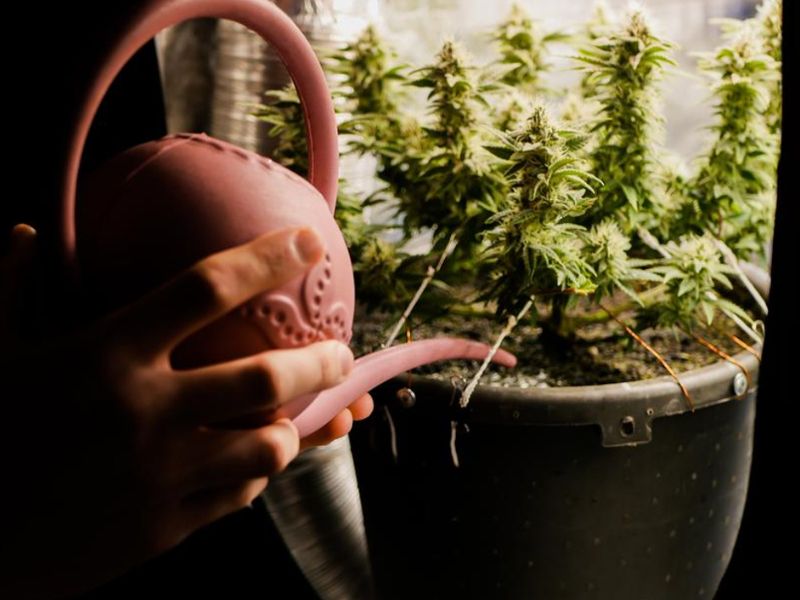
If you’re aiming for dense, resin-packed buds, choosing the right fertilizer is key. Cannabis plants thrive when provided with the right balance of nutrients, especially during the flowering phase.
While genetics plays a role in bud size, proper feeding ensures plants reach their full potential.
This guide covers the best fertilizers for bigger buds, the essential nutrients for flowering, and expert techniques to maximize your harvest.
Understanding Cannabis Nutrients for Bud Growth
Cannabis plants require a mix of macronutrients and micronutrients throughout their lifecycle. During the vegetative stage, nitrogen promotes leafy growth, but once flowering begins, phosphorus and potassium become the focus.
Macronutrients
Nitrogen, phosphorus, and potassium (N-P-K) are the three primary macronutrients found in fertilizers. Each plays a specific role in cannabis development.
Nitrogen fuels leaf and stem growth in early stages, but too much nitrogen in flowering can lead to airy buds. Phosphorus is essential for bud formation, root health, and energy transfer within the plant.
Potassium enhances overall plant vigor, strengthens stems, and increases bud density. The right balance of these nutrients leads to thick, sticky flowers packed with cannabinoids.
Micronutrients
While macronutrients take the spotlight, micronutrients support plant health and maximize yields. Magnesium helps plants absorb light efficiently, leading to better photosynthesis and bud development.
Calcium strengthens cell walls, preventing bud rot and ensuring firm, dense flowers. Sulfur aids in terpene production, improving aroma and flavor. Trace elements like iron, zinc, and boron fine-tune the plant’s metabolic processes. A deficiency in any of these can stunt bud growth and reduce potency.
Best Types of Fertilizers for Bigger Buds
Choosing the right fertilizer depends on your growing style. Some growers prefer organic methods for improved flavor, while others use synthetic fertilizers for faster absorption and immediate results.
Organic vs. Synthetic Fertilizers
Organic fertilizers, like compost teas and worm castings, enrich the soil with natural compounds that slowly release nutrients to your sprouting cannabis seeds. These fertilizers enhance terpene production, leading to richer flavors and aromas.
Synthetic fertilizers, on the other hand, provide an immediate nutrient boost, making them ideal for hydroponic systems or growers who want precise control over feeding schedules.
Both options can produce massive buds, but organic growers often prefer long-term soil health benefits, while synthetic users enjoy faster nutrient uptake.
Liquid vs. Granular Fertilizers
Liquid fertilizers are absorbed quickly by plants, making them great for hydroponics and soilless mediums. They allow precise nutrient adjustments and are easy to mix with supplements.
Granular fertilizers, however, release nutrients slowly over time, reducing the risk of overfeeding. Outdoor and soil-based growers often use granular options for sustained feeding.
Top Fertilizers for Maximizing Bud Growth
Several fertilizers have proven to be highly effective for promoting bud size and density.
Fox Farm Tiger Bloom is a well-balanced bloom booster that provides phosphorus-heavy nutrition for explosive flowering. Advanced Nutrients Big Bud is specifically formulated to increase bud density and resin production for maximum yields of high thc strains.
General Hydroponics FloraBloom is a versatile choice that works well for both soil and hydroponic setups. For those preferring organic options, Botanicare Pure Blend Pro Bloom enhances terpene profiles while delivering a nutrient-rich blend for healthy bud formation.
How to Apply Fertilizers for Maximum Bud Growth
Even the best fertilizers won’t work unless they’re applied correctly. Timing and dosage play a major role in determining final yield and quality.
Adjusting Nutrients Throughout the Growth Cycle
During early flowering, plants still need some nitrogen, but phosphorus and potassium levels should be increased. As flowering progresses, nitrogen should be reduced further to encourage bud development rather than leafy growth. By late flowering, potassium becomes crucial for hardening buds and increasing resin production.
Feeding frequency depends on the growing medium. Soil growers typically fertilize every other watering, while hydroponic growers may feed daily with diluted nutrient solutions.
Overfeeding can lead to nutrient lockout, where excess salts prevent the plant from absorbing essential minerals. Flushing the plants with pure water a couple of weeks before harvest removes excess nutrients, improving flavor and smoothness.
Recognizing and Fixing Nutrient Problems
Overfeeding is a common mistake that leads to burnt leaf tips and slow growth. If leaves turn yellow or brown at the edges, it’s a sign of nutrient burn. On the other hand, deficiencies can cause discolored leaves, weak stems, and poor bud formation.
A phosphorus deficiency results in small, underdeveloped buds, while a lack of potassium leads to weak stems and loose flowers. Keeping a close eye on plant health and adjusting nutrients accordingly ensures optimal growth.
Enhancing Fertilizer Performance for Bigger Buds
Feeding your cannabis plants correctly is just one part of the equation. Optimizing growing conditions ensures that nutrients are absorbed efficiently and used effectively.
Maintaining the Right pH Levels
Nutrient absorption depends on pH balance. In soil, cannabis thrives at a pH of 6.0 to 6.8, while hydroponic systems require a pH range of 5.5 to 6.5.
If pH drifts outside these ranges, nutrient lockout can occur, preventing plants from taking in essential minerals. Using pH testers and pH-adjusting solutions helps maintain a stable growing environment.
Boosting Growth with Supplements
Carbohydrate supplements like unsulfured molasses provide an energy boost to beneficial soil microbes, improving nutrient availability. Silica strengthens plant cell walls, leading to thicker branches that can support heavier buds.
Amino acids and B vitamins help plants handle stress, preventing growth slowdowns during critical stages of bud development. Adding these supplements alongside a well-balanced fertilizer plan enhances overall plant performance, resulting in larger and more potent flowers.
Common Mistakes to Avoid When Using Fertilizers
Even experienced growers can make mistakes that hinder bud growth. Over-fertilization is one of the biggest issues, often leading to nutrient burn, which damages leaves and slows plant development. Using excessive nitrogen during flowering can also reduce bud density, making flowers light and airy instead of thick and resinous.
Another common mistake is ignoring soil or medium quality. Poor drainage or compacted soil can cause nutrient buildup, leading to deficiencies and toxicities. Flushing the growing medium occasionally helps prevent salt accumulation and ensures roots can absorb nutrients properly.
Timing is also crucial. Feeding too late into the flowering cycle can negatively impact bud flavor and smoothness. Cutting off fertilizers a couple of weeks before harvest allows plants to use up stored nutrients, leading to a cleaner smoke and better overall quality.
Conclusion
Growing massive, resin-rich buds requires more than just good genetics from a reputable seed bank —it depends on proper nutrition and feeding techniques. By selecting the right fertilizers, maintaining balanced nutrient levels, and avoiding common mistakes, growers can maximize their yields and produce top-quality cannabis.
Whether using organic or synthetic fertilizers, the key is understanding what the plant needs at each stage and providing optimal growing conditions. With the right approach, achieving dense, potent, and flavorful buds is within reach.
Disclaimer: This article contains sponsored marketing content. It is intended for promotional purposes and should not be considered as an endorsement or recommendation by our website. Readers are encouraged to conduct their own research and exercise their own judgment before making any decisions based on the information provided in this article.