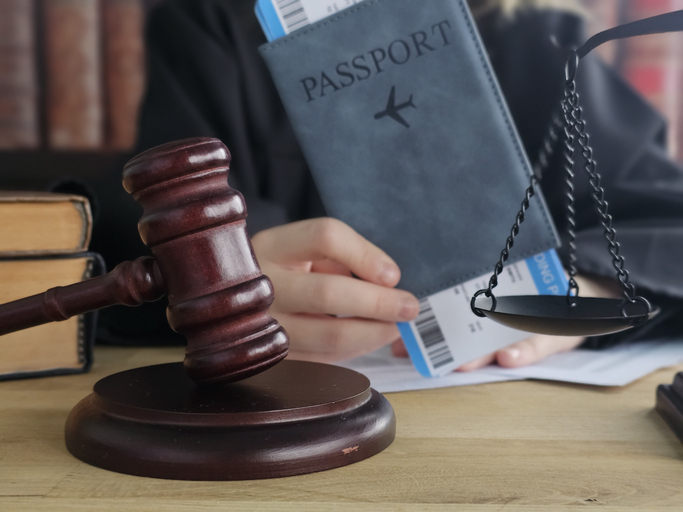
Proof of travel is one of the most commonly requested documents in visa applications worldwide. While applicants often view it as a formality, travel proof plays a critical role in how immigration authorities assess intent and risk.
Understanding why this requirement exists helps applicants prepare stronger, more compliant visa submissions.
Immigration Risk Management and the Role of Travel Proof
Immigration systems are designed to balance openness with control, allowing genuine travelers while preventing misuse. Proof of travel is a foundational element of immigration risk management because it provides measurable evidence of an applicant’s intentions and planned movement.
For many Schengen visa applications, authorities accept structured travel itineraries, including options such as a dummy ticket For Schengen visa when submitted responsibly and in line with official guidance.
- Helps authorities evaluate intent to enter and exit legally
- Supports consistency between travel dates and visa duration
- Reduces uncertainty in application assessments
- Enables cross verification with accommodation and insurance documents
Preventing Overstays and Irregular Migration
Overstaying a visa is one of the primary concerns for immigration authorities globally. Proof of travel directly addresses this concern by demonstrating an applicant’s plan to leave the destination country within the permitted time frame.
Establishing Clear Entry and Exit Intent
Travel documentation shows when and how an applicant intends to arrive and depart. This allows visa officers to assess whether the proposed stay aligns with the visa category requested. Clear exit plans significantly reduce perceived overstay risk.
Supporting Risk Based Visa Decision Making
Many immigration systems use risk profiling to evaluate applications. Travel proof contributes data points such as travel history, destination consistency, and duration of stay. These indicators help authorities identify low risk travelers more efficiently.
Reducing the Burden on Border Control Systems
When travelers arrive with consistent documentation, border officers can process entries more smoothly. Advance verification of travel plans reduces delays at ports of entry. This improves overall border management efficiency.
Aligning With Airline and Carrier Liability Rules
Airlines are often fined if passengers are denied entry due to improper documentation. Proof of onward travel helps carriers comply with international aviation and immigration regulations. This shared responsibility reinforces the importance of travel verification.
Addressing Patterns of Irregular Migration
Historically, a lack of exit documentation has been associated with higher rates of irregular migration. Requiring proof of departure discourages misuse of short term visas. It also supports broader migration control strategies at regional and international levels.
Strengthening Trust in the Visa System
When applicants provide complete and verifiable documentation, it builds trust between travelers and immigration authorities. This trust is essential for maintaining efficient visa systems. Over time, it contributes to more predictable processing outcomes.
Historical and Legal Foundations of Travel Verification
The requirement for travel proof is not arbitrary. It is rooted in decades of immigration law, international agreements, and administrative practice.
Origins in Early Border Control Policies
Travel verification emerged alongside modern passport systems in the early twentieth century. Governments sought mechanisms to monitor cross border movement more effectively. Proof of travel became a practical tool to document intent.
Role of International Aviation Agreements
Organizations such as the International Air Transport Association established standards for passenger documentation. These standards influenced how governments structured visa requirements. Travel itineraries became part of a shared compliance framework.
Legal Basis in National Immigration Laws
Most countries embed travel documentation requirements within their immigration regulations. For the Schengen Area, the Schengen Borders Code outlines conditions of entry and short stays. Proof of travel supports compliance with these legal standards.
Influence of the Schengen Agreement
The Schengen Agreement removed internal borders while strengthening external controls. To manage this balance, member states rely on standardized documentation requirements. Proof of travel helps maintain consistency across participating countries.
Integration With Modern Data Systems
Today, travel verification is supported by advanced databases and information sharing systems. Upcoming systems such as the Entry Exit System and ETIAS further emphasize pre-travel screening. Proof of travel aligns with these digital verification processes.
Consistency With Administrative Law Principles
Administrative fairness requires that decisions be based on objective criteria. Travel proof provides tangible evidence that can be assessed uniformly. This reduces subjectivity in visa decision making.
Practical Implications for Visa Applicants
Understanding the rationale behind travel proof helps applicants approach the requirement correctly. It is not about forcing financial commitments but about demonstrating credible travel planning.
- Travel proof should match accommodation and insurance details
- Dates must align with the requested visa duration
- Passenger names must exactly match passport information
- Documentation should be clear, verifiable, and consistent
Comparison of Common Forms of Travel Proof
| Type of Travel Proof | Financial Risk | Flexibility | Acceptance by Authorities |
| Fully Paid Ticket | High | Low | Accepted |
| Refundable Ticket | Medium | Medium | Accepted |
| Flight Reservation | Low | High | Accepted when verifiable |
This comparison highlights why many applicants prefer flexible options during the application stage, especially when visa outcomes are uncertain.
Midway through the application process, applicants often look for reliable sources of information on travel documentation. Platforms such as DummyTicket365, are frequently referenced in broader discussions about travel planning, as they emphasize alignment with visa documentation standards rather than irreversible commitments.
Conclusion
Proof of travel is a cornerstone of modern visa systems because it supports immigration risk management, helps prevent overstays, and reinforces legal and administrative frameworks. Far from being a mere formality, it reflects decades of policy development and international cooperation. By understanding its purpose and historical foundation, visa applicants can approach this requirement with clarity, accuracy, and confidence, ultimately contributing to a more transparent and efficient global travel system.