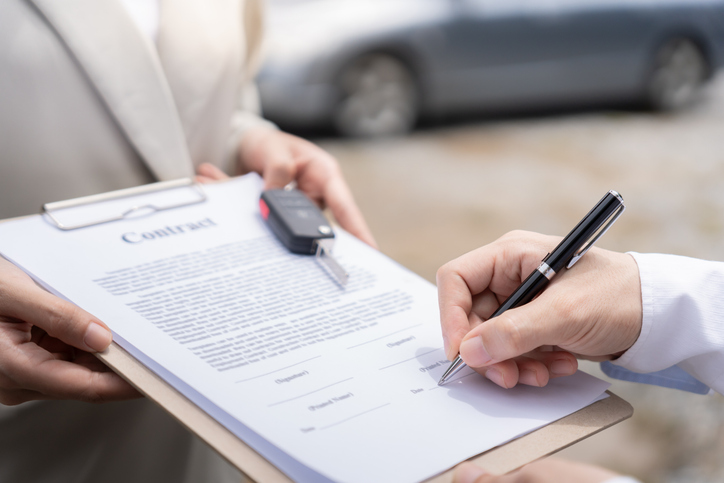
Renewing your bike insurance on time is not just another chore. It is a compliance directive and a convenient method of risk prevention, which guarantees that you, your motorcycle, and third parties remain covered in case of unfortunate accidents.
Riding with lapsed bike insurance opens you up to coverage vulnerabilities, allowing the insurer to deny the claim, impose fines or even confiscate some of the coverage you should have acquired. Thus, renewing your bike insurance helps you preserve continuity and optimise premiums in the long run.
Know Your Policy Options
It is crucial to select the right policy both in the beginning and at the time of renewal. It may seem trivial, but the policy you choose affects how smooth the coverage process goes in case of a real-world loss event. When you choose a comprehensive policy, it provides broad protection that covers accidental damage, theft and fire. A few natural and man-made disasters are also covered under this policy. A comprehensive plan often makes it easy to perform cashless repairs within the defined network, with helpful add-ons to increase the extent of protection accrued.
Third party bike insurance coverage includes third‑party injury, death, and property damage in whatever amount the regulation deems reasonable. It suits minimal usage scenarios but does not cover own‑damage losses. Standalone own‑damage cover complements an active liability policy by covering accidental and calamity‑related damage to the insured two‑wheeler itself, including repair or replacement of damaged parts.
The Risks Of A Lapse
An expired bike policy can trigger several adverse outcomes that are often underestimated:
- Loss of legal compliance: The riders may face punishments and self-liability in case of riding without valid liability cover.
- Irrecoverable coverage gap: Any incident, theft, or financial loss that occurred during the uninsured period will not have indemnity available.
- NCB impact: NCB is not allowed if more than 90 days have passed since the coverage lapse event. If ninety or more days have passed, the benefits will not be passed forward, and premiums will be revised after disclosure.
- Break‑in procedures: Post‑lapse renewals may require inspection or survey, can delay reinstatement, and may restrict add‑on availability until the vehicle is verified.
- Potential underwriting changes: Material modifications to IDV, deductibles, or terms may apply after a break in insurance, affecting cost and coverage.
If Your Policy Has Already Expired
Immediate, careful steps can restore protection without compounding risk.
- Do not ride the vehicle: Operating the bike while uninsured exposes the rider to fines and unprotected liability.
- Initiate renewal at once: Start the break‑in renewal process. Be prepared for scheduling a quick inspection if the insurer asks for it.
- Anticipate coverage start conditions: Cover generally resumes from the time and date of acceptance, not retroactively to the lapse date.
- Clarify NCB status: If within the 90‑day window, request continuity; otherwise, prepare for the NCB to reset.
- Reassess add‑ons: Some add‑ons may require the vehicle to pass inspection; reselect them once eligibility is confirmed.
Managing NCB And NCB Transfer
NCB is a material lever for premium savings and should be protected deliberately.
- Preserve continuity: Avoid claims for minor losses when economically feasible to maintain future NCB accrual.
- Use NCB transfer when switching insurers: Submit prior policy and NCB proof to port the earned bonus seamlessly.
- Consider NCB protection add‑on: Where available, it helps retain NCB after eligible claims, subject to policy terms and limits.
- Maintain documentation: Keep previous policies, renewal confirmations, and claim histories accessible to accelerate verification.
Premium And Coverage Optimisation
Proper bike insurance renewal decisions balance affordability with resilience.
- Manage deductibles: A higher voluntary deductible can reduce premiums. But, out‑of‑pocket capacity must be acceptable for this to happen.
- Install certified anti‑theft devices: Eligible security upgrades may earn discounts and reduce theft exposure.
- Align add‑ons to vehicle age: Zero depreciation may be more valuable for newer bikes, while engine protection can be essential in flood‑prone regions.
- Evaluate multi‑year constructs: Longer liability tenures can mitigate compliance risk and offer cost stability.
Documentation And Digital Hygiene
Preparing documentation expedites issuance and reduces back‑and‑forth.
- Registration certificate details, prior policy copy, and a valid PUC certificate
- KYC information and updated contact coordinates
- Payment confirmation and e-policy storage in secure digital vaults
Insurers such as HDFC ERGO offer streamlined online processes that can complete renewals within minutes. They provide access to a vast cashless garage network across India and include liability cover as standard. HDFC ERGO offers optional emergency roadside assistance to support safe journeys, as well.
Bottom Line
Maintain a renewal calendar and review coverage annually with respect to usage changes, while keeping insurance proof ready for quick verification. Most importantly, follow all the above-mentioned small practices and do not drive if the policy is lapsed. Use structured NCB transfer practices to preserve benefits while ensuring that bike insurance remains continuously active and fit for purpose.
Disclaimer: This article contains sponsored marketing content. It is intended for promotional purposes and should not be considered as an endorsement or recommendation by our website. Readers are encouraged to conduct their own research and exercise their own judgment before making any decisions based on the information provided in this article.