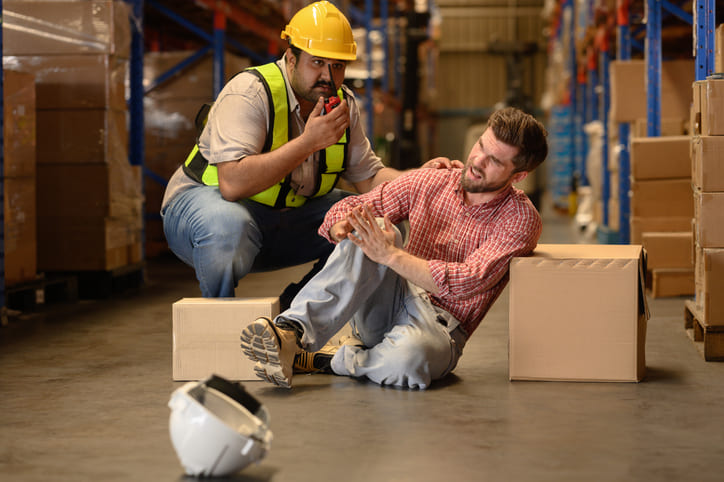
Workplace injuries are a serious concern across industries, with musculoskeletal disorders and manual handling incidents among the most common causes of lost working days in the UK. While safety legislation and training play a crucial role in prevention, the integration of powered handling equipment can significantly reduce the risk of injury, enhance efficiency, and increase overall productivity.
From warehouses to manufacturing plants, logistics centres to retail stockrooms, the use of tools such as electric pallet trucks, lift tables, and powered stackers is becoming increasingly essential for modern businesses. This article explores how powered handling equipment contributes to safer working environments and outlines key considerations for choosing and implementing these solutions effectively.
The Problem: Manual Handling and Workplace Injuries
According to the Health and Safety Executive (HSE), manual handling injuries account for around a third of all workplace accidents reported annually. These injuries often result from lifting, lowering, pushing, pulling, or carrying loads, especially when tasks are repetitive, loads are heavy or awkward, or working conditions are poor.
Back pain, sprains, strains, and repetitive strain injuries (RSIs) are some of the most common outcomes. These incidents not only cause physical harm to employees but also lead to reduced morale, increased absenteeism, and financial losses for employers. The estimated cost to the UK economy from workplace injury and ill health stands at billions of pounds each year.
The Solution: Powered Handling Equipment
Powered handling equipment significantly reduces the need for employees to engage in high-risk manual handling. These tools are designed to aid in the transportation, lifting, and movement of goods, allowing workers to perform tasks with less strain and physical effort.
Some common types of powered handling equipment include:
- Electric pallet trucks
- Powered stackers
- Motorised trolleys
- Scissor lift tables
- Conveyor systems
Each of these machines is tailored to specific operational needs but shares the common goal of reducing the physical demands placed on workers.
How Powered Equipment Reduces Injury Risk
1. Minimising Manual Effort
Electric-powered equipment reduces the need for pushing, pulling, or lifting heavy loads. For instance, using an electric pallet truck enables staff to move heavy pallets across warehouses or shop floors with minimal exertion. This drastically lowers the risk of back injuries and strains.
2. Improving Ergonomics
Most powered devices are designed with ergonomics in mind. Adjustable handles, responsive controls, and height-adjustable features enable users to operate the equipment in a posture-safe manner, thereby preventing repetitive strain injuries over time.
3. Reducing Repetitive Tasks
Automated and semi-automated solutions reduce the number of repetitive movements workers need to perform. This is especially important in high-volume environments where manual handling is a constant occurrence. Over time, even small improvements in posture and movement can have a substantial cumulative effect on health and safety.
4. Encouraging Proper Load Handling
Powered equipment often features built-in safety mechanisms, including load sensors, speed controls, and stability systems. These prevent overloading and unsafe operation, two common causes of accidents when using manual tools.
The Role of Electric Pallet Trucks
Electric pallet trucks are among the most widely used powered handling tools, particularly in logistics, warehousing, and retail settings. These machines enable the efficient movement of palletised goods with far less effort than their manual counterparts.
Benefits include:
- Effortless movement of heavy goods, reducing the risk of strain and fatigue.
- Increased productivity, as goods can be moved faster and more efficiently.
- Battery-powered options with low noise output, making them suitable for noise-sensitive environments.
- Compact models that are ideal for confined spaces or narrow aisles.
Whether you operate a large distribution centre or a small warehouse, integrating electric pallet trucks into your operations can be a simple but highly effective way to promote safety and efficiency.
Implementation: What Businesses Need To Know
While the advantages of powered handling equipment are clear, successful implementation requires careful planning and consideration.
1. Workplace Assessment
Start with a risk assessment to identify manual handling hotspots in your business. Where are injuries most likely to occur? Which tasks involve repetitive lifting or awkward movements? This will help guide equipment selection and ensure your investment addresses real safety concerns.
2. Equipment Suitability
Not all equipment fits all environments. Consider the following factors:
- Load type and weight
- Available space and layout
- Floor conditions
- Frequency of use
- Operator skill level
Choosing the right tool for the job ensures maximum safety and efficiency. For example, an electric pallet truck may be ideal for transporting palletised stock over flat warehouse floors but less suitable for navigating slopes or uneven terrain.
3. Staff Training
Even the most advanced equipment is only effective when used correctly. Comprehensive training is essential to ensure all operators understand how to use the machines safely. Training should cover:
- Basic operation and controls
- Load handling techniques
- Daily maintenance and battery charging
- Emergency procedures
Some suppliers offer training packages or certification programmes as part of their service, which can be invaluable in promoting a culture of safety.
4. Maintenance and Inspection
Regular maintenance ensures that powered handling equipment remains in safe working condition. Create a maintenance schedule that includes daily checks, monthly inspections, and annual servicing by qualified technicians. Always keep a log of maintenance activities and respond quickly to any identified issues.
Legal Responsibilities and Compliance
Employers in the UK have a legal obligation under the Manual Handling Operations Regulations 1992 to avoid hazardous manual handling wherever possible and assess the risks where it cannot be avoided. The Provision and Use of Work Equipment Regulations (PUWER) 1998 also require that work equipment provided is suitable, maintained, and used by trained personnel.
Using powered handling equipment can demonstrate a proactive approach to compliance with these regulations, reducing liability and enhancing workplace safety.
The Bigger Picture: Safety as an Investment
Investing in powered handling equipment is not merely a compliance tick-box—it’s a strategic decision that pays dividends in staff wellbeing, operational efficiency, and long-term cost savings. Fewer injuries mean fewer sick days, lower insurance premiums, and a stronger reputation as a responsible employer.
Modern powered handling tools are also more affordable and adaptable than ever, with compact, battery-operated models available even for small businesses. Leasing and rental options can also make this technology accessible without large upfront capital outlay.
Final Thoughts
Workplace injuries from manual handling are avoidable, and powered handling equipment provides a practical, cost-effective solution. Tools like electric pallet trucks and powered stackers help reduce the physical demands on workers, enabling safer, faster, and more efficient operations.
To make the most of these technologies, businesses must carefully assess their needs, train staff properly, and maintain their equipment diligently. In doing so, they not only meet legal requirements but also cultivate a workplace culture built on safety, responsibility, and performance.