


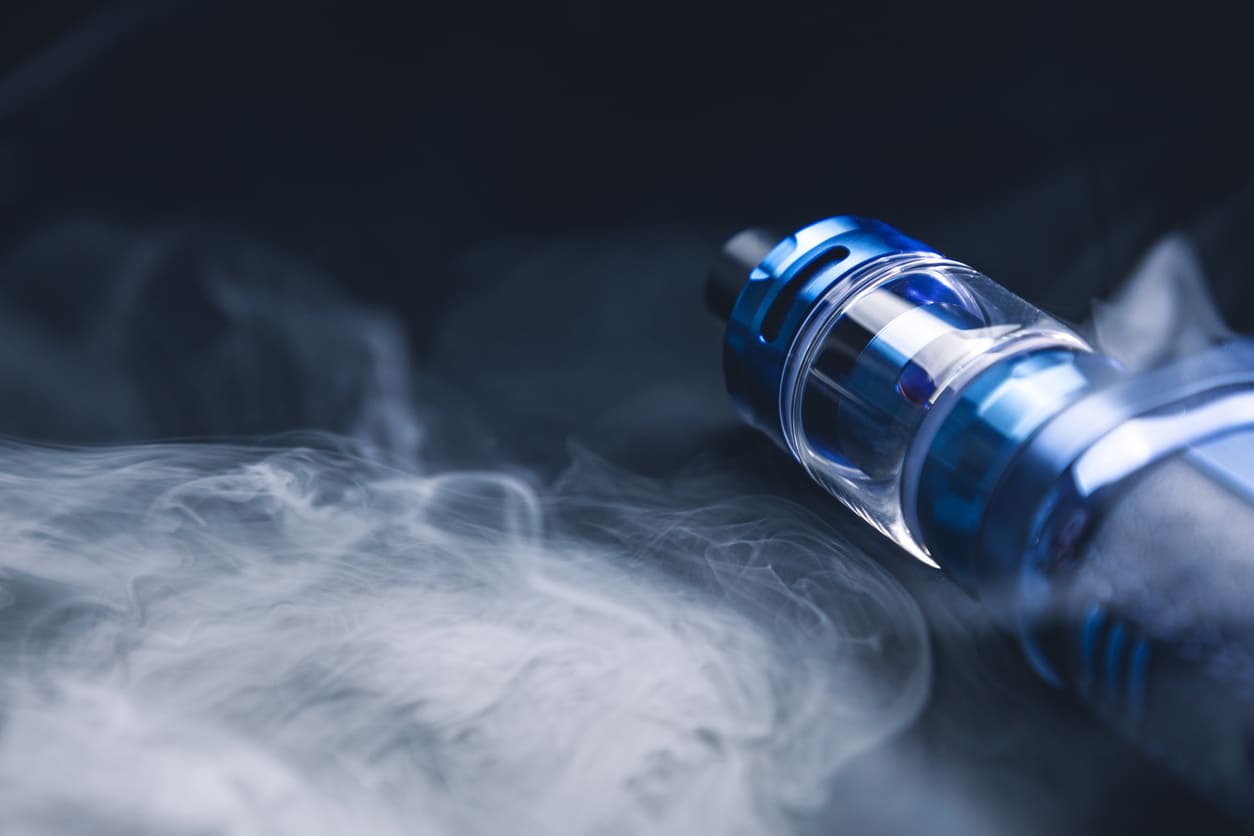
Every portable vaporizer sitting on a retail shelf starts out as a rough sketch, a target battery capacity, and a list of electrical requirements. While the finished hardware looks simple on the outside—often just a sleek shell, a mouthpiece, and a small screen—building a reliable device requires months of mechanical engineering, chemical testing, and automated assembly. Understanding how manufacturers move from an initial design brief to a finished product reveals why modern hardware performs far more consistently than early models.
During the earliest planning stage, product designers and engineers define the core purpose of the hardware. A compact refillable pod system requires different internal spacing and airflow channels than a high-capacity all-in-one device. At the same time, flavor chemists work alongside hardware engineers because liquid viscosity and sweetness directly affect how a heating coil performs. Formulating complex profiles like Raz Vape Flavors requires matching the exact ratio of vegetable glycerin and propylene glycol to the coil’s surface area and operating temperature so the wick stays saturated without burning.
Defining the Engineering Brief and Architecture
Before any physical parts are molded, engineering teams create a detailed product architecture. Every millimeter inside a compact housing matters, because the battery, e-liquid reservoir, circuit board, and airflow tube all compete for the same tight space.
Engineers balance several core variables during this planning phase:
- Battery capacity and physical size: Larger lithium-ion cells deliver longer runtimes between charges, but they increase overall weight and limit tank volume.
- Coil resistance and power output: Lower-resistance mesh coils produce warmer, denser vapor, requiring a circuit board capable of regulating higher electrical current safely.
- Airflow geometry: The width and angle of internal air intake channels determine whether a device produces a tight mouth-to-lung draw or an open direct-lung inhale.
- User interface elements: Adding digital battery screens, wattage buttons, or airflow sliders requires extra wiring paths and power management firmware.
Selecting Durable and Food-Safe Materials
Once the internal layout is finalized, engineers specify the exact raw materials for each component. Because e-liquid sits in direct contact with tanks, seals, and heating elements for weeks at a time, material stability is essential for both safety and clean taste.
Outer housings typically rely on anodized aluminum, zinc alloy, or impact-resistant polycarbonate plastics that protect internal electronics from everyday drops. Inside the reservoir, manufacturers use medical-grade PCTG plastic or Pyrex glass because these materials resist cracking and do not leach chemicals when exposed to acidic fruit flavorings. Silicone gaskets and O-rings seal every joint to prevent pressure changes from pushing liquid into the airflow sensor.
Prototyping and Atomizer Calibration
With blueprints and material specs ready, factories produce small batches of functional prototypes using CNC machining and rapid injection molding. This testing stage connects design theory with real-world performance.
Technicians run prototypes through automated puffing machines that simulate thousands of draws under varying temperatures and air pressures. They measure coil ramp-up speed, check for dry hits during back-to-back draws, and inspect seals for micro-leaks. If a prototype feels top-heavy in the hand, or if the digital display is hard to read in bright sunlight, engineers adjust the molds and circuit layout before committing to expensive mass-production tooling.
Automated Assembly and Precision Coil Winding
Modern vape manufacturing relies heavily on cleanroom environments and automated robotics to maintain tight tolerances across tens of thousands of units. Even a tiny alignment error around a silicone seal or battery solder joint can cause leaking or inconsistent power delivery.
During assembly, automated machines stamp thin sheets of kanthal or stainless steel into uniform mesh grids, wrap them in layered organic cotton wicks, and spot-weld the leads onto the internal chassis. A great example of precision domestic assembly is the Fifty Bar Disposable, which pairs dual parallel mesh coils and an 800mAh rechargeable cell with American-made e-liquid inside a sealed, rubberized shell. Automated filling needles inject exact milliliter volumes of liquid into the reservoir before ultrasonic welding machines fuse the outer casing shut without using glues or solvents.
Multi-Stage Quality Control and Safety Testing
Before any finished batch leaves the factory floor, devices pass through strict electrical and mechanical inspections. Reputable manufacturers test both individual sub-components and fully assembled units to catch defects early.
Standard factory quality checks include:
- Battery protection verification: Testing integrated circuit boards to confirm automatic cutoffs work properly against short circuits, overcharging, and excessive heat.
- Air-pressure leak testing: Placing assembled pods and tanks inside vacuum chambers to verify that seals hold steady without weeping liquid.
- Draw-sensor calibration: Checking that pneumatic switches activate smoothly at low inhalation pressure and shut off immediately when the user stops drawing.
- Batch traceability coding: Laser-etching serial numbers and QR codes onto each unit so manufacturers can track production dates and component lots.
Packaging, Compliance, and Retail Distribution
The final step in product development focuses on regulatory compliance, tamper-evident packaging, and safe transport. Because lithium-ion batteries fall under strict international shipping rules, finished hardware undergoes UN38.3 transport testing to verify that cells remain stable under vibration, altitude changes, and temperature swings.
Devices are sealed inside foil blister packs with silicone mouthpiece plugs to preserve freshness and prevent accidental activation during transit. Outer boxes display clear nicotine warnings, ingredient lists, batch codes, and authenticity scratch-off labels so adult consumers and retailers can verify genuine hardware immediately.
From early computer-aided blueprints and material selection to automated cleanroom assembly and vacuum leak testing, developing a modern vaporizer involves careful engineering at every stage. Paying attention to build quality, coil architecture, and verified manufacturing standards helps users choose reliable gear that performs consistently from the first draw to the last. Whether you prefer adjustable pod kits or feature-rich disposables like Raz Vapes, knowing the engineering behind the shell makes it much easier to spot well-built hardware.
Disclaimer: This article contains sponsored marketing content. It is intended for promotional purposes and should not be considered as an endorsement or recommendation by our website. Readers are encouraged to conduct their own research and exercise their own judgment before making any decisions based on the information provided in this article.


