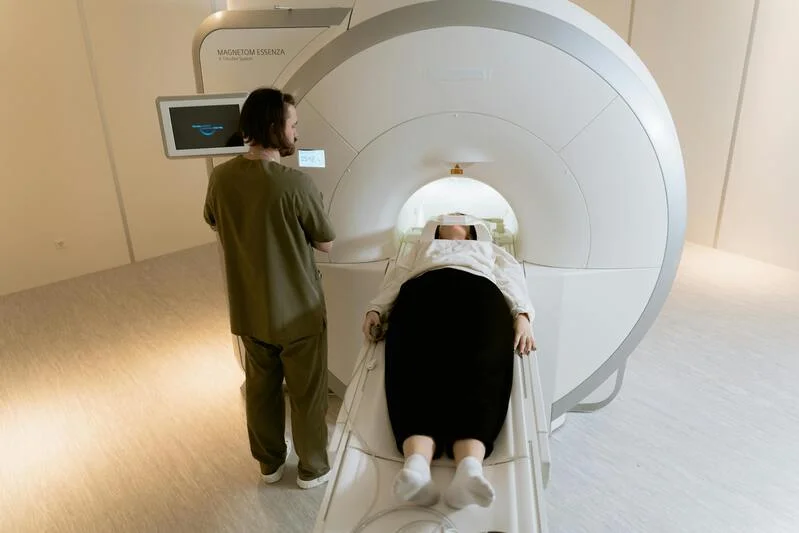
Across the world, healthcare systems are under pressure to keep up with rising patient needs, rapid technological expansion, and persistent staffing shortages. Medical technologists sit right in the middle of that challenge. Whether they work in imaging, diagnostics, or specialized lab settings, these professionals form a backbone that modern healthcare can’t function without. Yet many countries are struggling to train enough of them, and one of the biggest factors is simply how long it takes to become qualified.
Why the World Is Competing for Medical Technologists
Demand for skilled technologists isn’t just a local or regional issue. Europe is seeing increased strain across radiology departments, global aging trends are pushing up diagnostic workloads, and governments are investing heavily in better screening and imaging capacity. These shifts naturally create more jobs, but the workforce pipeline struggles to keep pace.
According to reporting by Healthcare Finance News, demand for specialized technologists has grown sharply across the United States, particularly in cardiac and diagnostic imaging roles. Similar patterns appear in the UK, Germany, and parts of Scandinavia where hospitals depend heavily on imaging to manage chronic conditions. Everywhere the story looks the same: more advanced diagnostics means more skilled staff, and not enough people are available.
Education Timelines Are a Global Bottleneck
The length of training is one of the most underrated forces shaping global labor shortages. Imaging technologists, laboratory technologists, and radiation therapists all require structured education, licensing, and clinical placements. These timelines can range from one to four years depending on the country.
But wherever you look, longer training equals slower workforce growth. Even if governments expand funding or schools add more seats, the pipeline simply can’t react quickly. This lag hits hospitals, private clinics, and diagnostic centers hard, especially when patient volumes grow faster than graduation rates.
A Look at California’s Workforce Challenges
While the broader article centers on global trends, California offers a clear example of how governments attempt to address shortages tied to long training periods. In a 2025 update, the California Employment Development Department highlighted its investment in allied health career programs due to rising healthcare labor demand. Expanding programs and improving access helps, but because many technologist roles require months or years of training, results appear slowly.
This delayed impact is something many countries also experience: education systems can expand, but they can’t rush competency.
How Training Length Shapes Workforce Supply
To understand how education duration affects labor markets, it helps to see how it plays out for a specific role. CT technologists are a good example because their training pathway highlights the layering effect common in many medical fields. In the United States, most students must first complete radiologic technology training before pursuing CT specialization. That multistep pathway influences career decisions, hiring speeds, and labor availability.
For those exploring the field, resources that clearly outline the timeline can make a big difference. For instance, knowing how long does it take to become a CT technologist in California will often guide whether someone commits to the training. Having regional context for learners considering the path also explains broader trends that apply regionally, nationally, and worldwide.
A few challenges appear across countries:
1. Delayed Workforce Entry
When a role requires several years of training, new graduates enter the field slowly. Even high interest can’t quickly fix shortages.
2. Limited Clinical Placement Capacity
No matter how many students enroll, hospitals can only host a fixed number of clinical trainees at once. This creates bottlenecks even in well funded systems.
3. Uneven Geographic Distribution
Urban centers attract technologists more easily than rural areas, resulting in labor gaps that training programs struggle to fill.
What Businesses and Healthcare Operators Should Know
Healthcare employers need workforce strategies that acknowledge training timelines, not just short term recruitment issues. Globally, organizations that plan two to three years ahead tend to navigate shortages more smoothly. They often build strong partnerships with educational institutions, sponsor advanced certifications, or offer cross training to shift existing staff into high demand roles such as CT or MRI.
Hospitals and clinics are also creating clearer internal development paths. This not only improves retention but also helps stabilize staffing at a time when many workers are choosing between countries, sectors, or specializations based on how long the next stage of training might take. Even at a time when aspects like the AI skills gap get more coverage, it’s interesting to see how healthcare has its own skill challenges and solutions.
Looking Ahead: A Global Race for Talent
As diagnostic technology improves worldwide, the need for skilled technologists will only increase. Countries that streamline education pathways, fund clinical placements, and support career mobility will be better positioned to meet rising demand. California’s investment initiatives and U.S. national labor trends show how some regions are trying to stay ahead. Europe and Asia are experimenting with similar strategies.
For students, healthcare leaders, and policymakers, one message is clear: education duration isn’t just a personal consideration, it’s a powerful force shaping national and global healthcare capacity. And staying aware of these timelines helps organizations and individuals make smarter choices in an increasingly competitive labor market.
Disclaimer: This article contains sponsored marketing content. It is intended for promotional purposes and should not be considered as an endorsement or recommendation by our website. Readers are encouraged to conduct their own research and exercise their own judgment before making any decisions based on the information provided in this article.