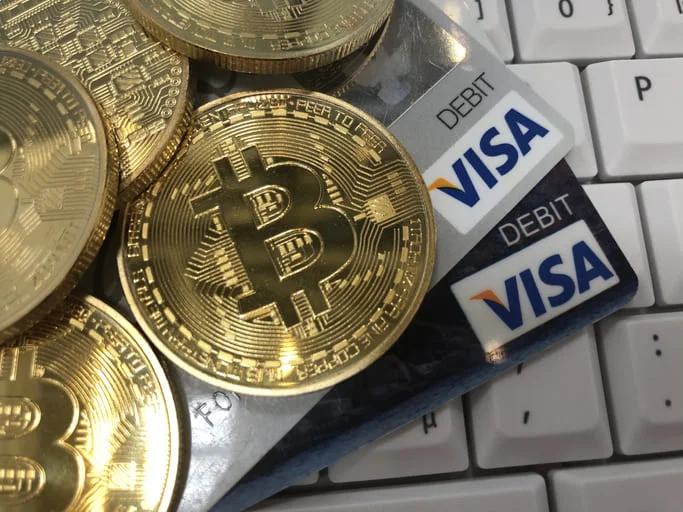
Visa’s recent announcement of a new pilot program marks a significant step in the crypto world, where businesses will be able to make USD-backed stablecoin payouts directly to vendors’ wallets.
This pilot, in simple terms, enables companies to make payments in traditional fiat currencies, while recipients can choose to receive their payments in a US dollar-pegged stablecoin, such as USDC.
Visa assures that an immutable ledger is created for every transaction, which can be used to enhance the auditing, tracing, and compliance processes. Currently, the pilot program is open only to a small group of partners. Still, as regulatory clarity develops, it will likely be made available more widely in the latter half of 2026.
This pilot is the result of cooperation with the previous project, which took place in September 2025, when companies were allowed to use stablecoins instead of fiat to pre-fund their Visa Direct payouts. Payments in stablecoins have a significant advantage. They are not subject to the same volatility as other cryptocurrencies because they are pegged to fiat money, whereas the Bitcoin price can drop overnight.
The implementation of blockchain technology for transaction logging ensures that every payment is recorded in an unchangeable manner, thereby providing greater transparency for both payers and recipients. The receivers are required to have a stablecoin wallet that is compatible and to undergo the standard Know Your Customer (KYC) and Anti-Money Laundering (AML) checks.
The project has been given the opportunity to reach people in areas with limited or no access to U.S. bank accounts. Visa directly promotes this as a means to create “the borderless currency of the digital age”. Opening up access to the digital dollar, the project may well mark the beginning of new pathways to financial inclusion, potentially positively impacting not only stablecoins but also other players of the crypto heatmap.
In case the model is widely adopted, it has the potential to change the way platforms and marketplaces settle payments to their workers. Instead of relying entirely on traditional banking systems with long settlement times, companies may gradually shift to stablecoin payouts, which would enable them not only to reduce friction but also to avoid capital lock-up.
For now, the pilot’s large-scale success is still tied to the quest for regulatory clarity. Visa is considering a more extensive implementation in 2026, provided the necessary legal structures surrounding stablecoins are in place.
In the absence of hard regulation (e.g., concerning reserve backing and auditing of stablecoin issuers), there will still be a risk for users and for Visa itself. And that risk is the user adoption and education about this system.
Receiving payment in stablecoin for the recipients implies the need for digital wallets, and possibly converting the funds into fiat currency, which may result in added complexity, costs, or friction.
Not all freelancers or creators will be able to manage crypto wallets, especially those without a crypto-native background.
Also, it seems that Visa doesn’t custody end-user crypto during the pilot phase and acts more like a bridge. Nevertheless, stablecoin issuers still need to have proper reserves and security, along with being very vigilant, as trust is the main factor that keeps the system running.
The stablecoin payout pilot is part of a broader strategy that Visa envisions: combining the scale and trust of its global payments network with the programmability and modernity of blockchain. In this way, Visa is not only supporting cryptocurrency but also making it an integral part of its infrastructure, allowing treasury innovations (through pre-funding) and end-user payments simultaneously.
This dual approach could help Visa maintain its relevance in the face of increasing competition from blockchain-native platforms, while also solidifying its position as a reliable intermediary.
Disclaimer: This article contains sponsored marketing content. It is intended for promotional purposes and should not be considered as an endorsement or recommendation by our website. Readers are encouraged to conduct their own research and exercise their own judgment before making any decisions based on the information provided in this article.