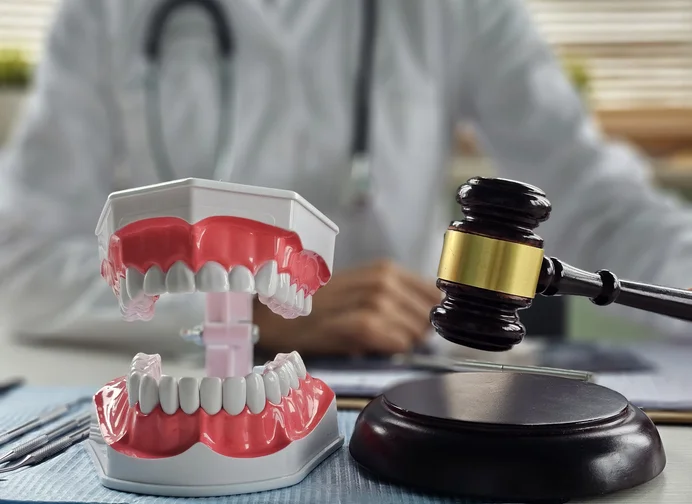
Teeth whitening is one of the most requested cosmetic dental treatments in Europe. Yet, unlike many beauty trends, it’s tightly regulated to protect the public. If you’re a clinic offering whitening, or a consumer considering brightening your smile, it’s essential to understand what’s legal—and what isn’t—across Ireland and the wider European Union (EU).
The legal foundation: how whitening is regulated
In the EU, tooth-whitening gels and kits are treated as cosmetic products when they’re used for aesthetic (non-medical) purposes. The key rules come from EU law that caps the amount of hydrogen peroxide, the active bleaching agent, that may be present or released by whitening products. In brief:
- Up to 0.1% hydrogen peroxide: products can be sold over the counter to the general public.
- 0.1% and up to 6% hydrogen peroxide: products are restricted to dental professionals and must be used under professional control.
- Over 6% hydrogen peroxide: not permitted for cosmetic teeth whitening in the EU market.
These limits also apply to compounds that release hydrogen peroxide, most commonly carbamide peroxide (where ~16–17% carbamide peroxide is roughly equivalent to 6% hydrogen peroxide).
Ireland: Who enforces the rules?
In Ireland, the Health Products Regulatory Authority (HPRA) is the competent authority overseeing cosmetics on the market, including whitening products. The HPRA issues guidance on peroxide limits, consumer safety, and what to do if you suspect a non-compliant product; it also has the power to restrict, recall, or prohibit products that pose a serious risk.
The Dental Council of Ireland provides professional guidance to registrants on the lawful use of whitening products. It reiterates the EU thresholds and clarifies practice obligations.
What dentists can—and cannot—do
If the gel used contains or releases more than 0.1% and up to 6% hydrogen peroxide, the following conditions apply in Ireland and across the EU:
- First use by a dental practitioner (or under their direct supervision where an equivalent level of safety is ensured).
- Supply only to dental practitioners; the products cannot be sold directly to consumers.
- Not for use in persons under 18 years for cosmetic whitening.
- After the initial application and clinical assessment, the patient may continue the cycle at home with the product issued by their dentist, subject to professional instructions and monitoring.
Any product above 6% hydrogen peroxide for cosmetic whitening is prohibited from being placed on the EU market. This prohibition has been in force since 31 October 2012 and remains the baseline rule.
Over-the-counter (OTC) kits: why most don’t work
Because general retailers may only sell whitening products up to 0.1% hydrogen peroxide, many “home whitening” kits available online or in shops lack the potency to significantly change tooth shade. Reputable oral health bodies caution that such low-strength products are unlikely to have a noticeable whitening effect; the effective concentrations sit within the professional-only bracket.
Consumers should be particularly wary of online sellers offering “professional strength” gels to the public. If an internet kit claims to contain or release more than 0.1% hydrogen peroxide and is not supplied by a dentist, it’s not compliant with EU rules. Report such products to the HPRA.
Safety first: clinical examination and informed consent
The regulations are designed to ensure a dentist assesses the suitability and safety of whitening before treatment begins. Professional protocols typically include:
- A clinical examination to rule out decay, gum disease, enamel defects and other risk factors.
- Shade recording and discussion of realistic outcomes.
- Tray fitting for take-home systems and clear written instructions on wear time and avoiding overuse.
- Monitoring sensitivity and managing side effects (such as transient sensitivity or gum irritation), which are known risks of peroxide exposure.
Age restrictions and vulnerable groups
Across the EU regime, cosmetic whitening in under-18s is not allowed when using products above 0.1% hydrogen peroxide. This is a hard line: even dentally supervised cosmetic whitening awaits adulthood. Where tooth discolouration relates to disease, trauma or developmental conditions, a dentist may consider alternative clinical treatments—but cosmetic high-peroxide whitening remains outside the permitted scope for minors.
Advertising and claims
Marketing for whitening services must not mislead about outcomes, treatment times or concentrations. In Ireland, clinics such as thewhitehouse.ie should ensure their materials are consistent with the HPRA’s safety messaging and the Dental Council’s guidance, and avoid implying that stronger-than-permitted gels are used. Claims should reflect the patient’s individual assessment and the professional-only nature of effective concentrations.
Online marketplaces and cross-border care
EU rules apply to products placed on the EU market, including those sold via online platforms to EU consumers. If a seller outside the EU ships directly to an Irish address, the item must still comply with EU cosmetic law to be lawful in Ireland. Patients travelling for whitening elsewhere in Europe should verify that the provider is a registered dental professional and that products used stay within the 0.1–6% band with appropriate first-use supervision.
Compliance checklist for Irish dental practices
- Source products lawfully: only use whitening gels registered as cosmetics in the EU/EEA with concentrations ≤6% hydrogen peroxide (or equivalent carbamide peroxide), and purchase them from reputable distributors.
- Control supply: do not sell or hand out gels >0.1% directly to the general public; supply only to your own patients following examination and first use.
- Respect age limits: no cosmetic whitening for under-18s with >0.1% peroxide.
- Keep records: document assessment, shade, consent, product batch/lot numbers and patient instructions—this supports both patient safety and regulatory audits. (Best practice reflected in professional guidance.)
- Educate patients: explain likely sensitivity, how to use trays, wear times, and what to avoid (e.g., overfilling trays, smoking immediately after sessions).
Practical advice for consumers
- Check who is treating you: in Ireland and throughout the EU, effective whitening must be provided by a dentist (or under their direct supervision for the first use). Ask for registration details and a pre-treatment examination.
- Be cautious with online deals: if a kit claims to be “professional strength” and is sold directly to you, it’s likely non-compliant. Report concerns to the HPRA.
- Manage expectations: OTC kits at 0.1% peroxide rarely produce dramatic results; meaningful shade changes usually require professionally supplied products within the legal 0.1–6% range and adherence to a tailored plan.
- Safety matters: disclose sensitivity, gum issues, pregnancy, or any dental treatment history to your dentist before whitening. Follow the instructions exactly to minimise irritation and sensitivity.
Key takeaways
- In Ireland and the EU, tooth whitening for cosmetic purposes is regulated under the cosmetics framework with strict peroxide limits.
- OTC: up to 0.1% hydrogen peroxide. Professional-only: >0.1%–6%, with first-use by a dentist and 18+ only. >6% for cosmetic whitening is not permitted on the EU market.
- In Ireland, the HPRA oversees market compliance and may recall or restrict unsafe products; the Dental Council guides practitioners.
Understanding these boundaries protects patients and helps clinics deliver whitening safely and legally—so brighter smiles don’t come with unnecessary risk.