


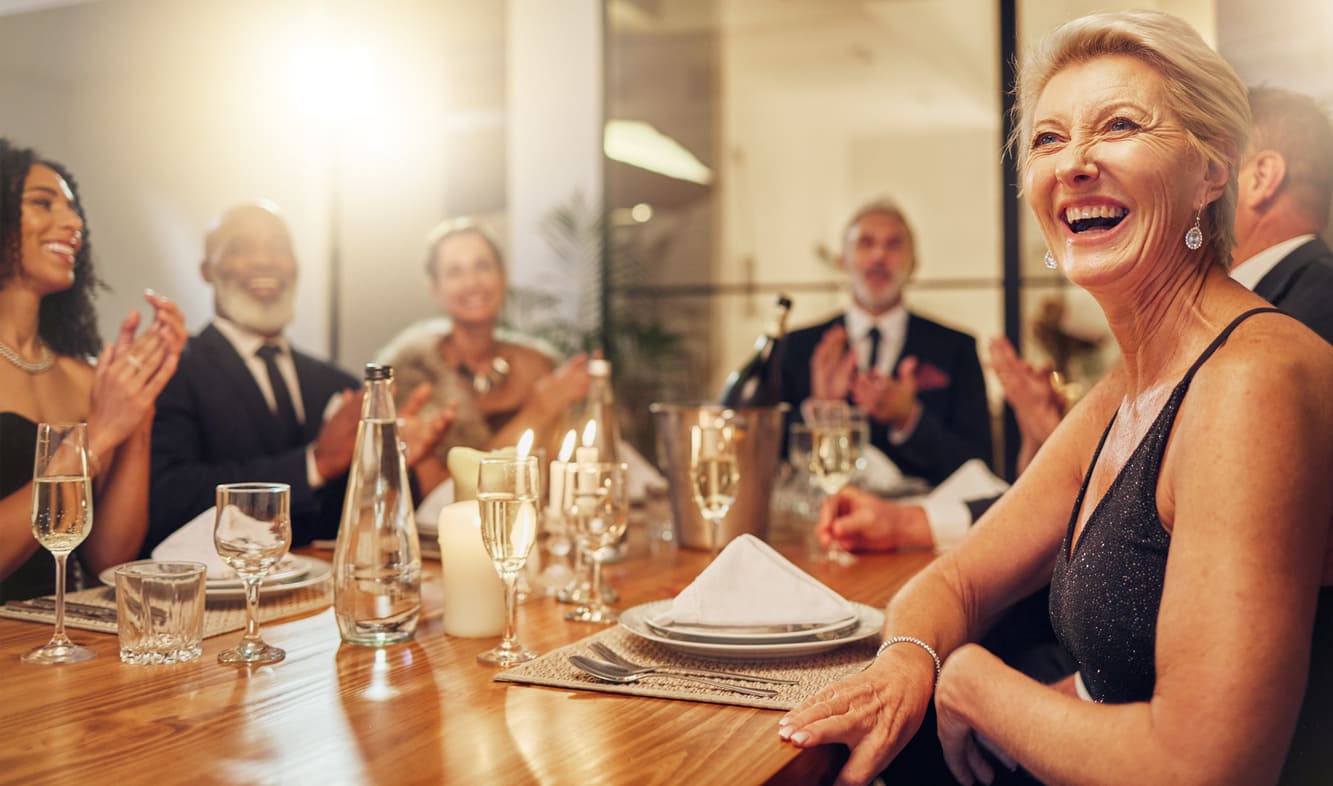
Not so long ago, corporate hospitality followed a predictable formula. A hired function room, a buffet or plated dinner, an open bar and a few speeches. Clients and staff were grateful for the free food and drinks, but few left with a lasting memory. The events blurred together, and the brand behind them rarely stood out.
That formula is changing fast. Businesses are realising that guests want more than to be fed and watered. They want experiences they’ll talk about, share online and associate with the brand long after the night ends. Interactive cock
Why experiences matter more than ever
tail bars, live chef stations, immersive themes, hands-on workshops and tailored entertainment have become central to modern events. Specialist providers such as Mister Bartender have grown on the back of this shift, bringing mobile bars, mixologists and brand activations to corporate functions, launches and festivals.
Attention is scarce. People are bombarded with marketing messages, invitations and online content every day. A standard corporate function struggles to compete. An event that offers something genuinely engaging, by contrast, cuts through the noise.
Experiences also create emotional connections. When guests learn to make a cocktail alongside a skilled bartender, watch a chef prepare dishes in front of them or take part in a creative activity, they’re actively involved rather than passively consuming. That involvement makes events more memorable and builds positive associations with the host.
There’s a practical business case, too. Corporate hospitality is an investment, whether the goal is strengthening client relationships, rewarding staff, launching a product or attracting new customers. Events that create genuine engagement are more likely to deliver a return on that investment.
The rise of interactive food and drink
Food and drink remain at the heart of most corporate events, but the way they’re presented has changed. Instead of anonymous catering, many events now feature interactive stations where guests can watch, ask questions and personalise their choices.
Mobile cocktail bars are a good example. Professional bartenders create signature drinks, often themed around the event or brand, and guests enjoy the theatre of watching them being made. Cocktail masterclasses go a step further, turning drinks service into a team-building activity.
Live cooking, grazing tables, dessert bars and coffee carts add variety and encourage guests to move around and mingle. Non-alcoholic options have also become more sophisticated, with mocktails and premium alternatives ensuring every guest feels included.
Brand activations and storytelling
Experiential events give businesses a chance to bring their brand to life. A product launch might include immersive installations that showcase new features. A beverage brand could host a pop-up bar where guests taste products in an engaging setting. A technology company might set up interactive demonstrations.
The most effective activations tell a story. Every element, from décor and lighting to music, food and entertainment, should reinforce the brand’s identity and message. Guests should leave with a clear sense of what the brand stands for, not just a vague memory of a nice night.
Social media plays a big role. Photogenic setups, creative drinks and unique experiences encourage guests to share content, extending the event’s reach far beyond the room.
Sustainability is becoming part of the conversation, too. Guests increasingly notice single-use plastics, food waste and excessive giveaways. Reusable glassware, locally sourced ingredients, seasonal menus and thoughtful leftovers policies show that a business has considered its impact, and they often make for a better experience anyway.
Planning an event that delivers
Creating a successful experiential event starts with clear goals. Are you trying to impress clients, reward staff, generate media coverage or build brand awareness? The objective will shape everything else.
Know your audience. An event for senior executives may need a different tone from a celebration for younger staff or a public festival activation. Consider preferences, dietary requirements, accessibility and cultural considerations.
Work with experienced partners who understand both hospitality and logistics. Mobile bars, caterers and entertainers need to coordinate with venues, manage licensing requirements and deliver consistent service under pressure. Responsible service of alcohol, safe transport options and contingency plans for weather or delays are essential.
Finally, measure results. Gather feedback from guests, track social media engagement and assess whether the event achieved its goals. These insights help refine future events.
Corporate hospitality is no longer just about providing food and drinks. It’s about creating moments that connect people, tell stories and leave lasting impressions. Businesses that embrace experiential events are finding they can stand out, strengthen relationships and turn a simple function into something guests genuinely remember.


